Study Reveals Brain Changes Linked to Menstrual Cycle Hormones
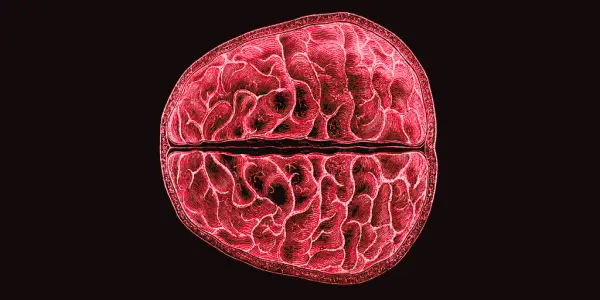
A recent study sheds light on how hormonal fluctuations during the menstrual cycle impact brain structure, highlighting the need for further research in this area.
In-depth analysis
Recent discoveries
Recent research by neuroscientists at the University of California, Santa Barbara, has revealed that hormonal fluctuations during menstruation significantly alter brain structure. Utilizing MRI scans, the study found that changes in hormone levels corresponded with variations in gray and white matter volumes, as well as cerebrospinal fluid levels, particularly during ovulation.
Implications for public health
These findings highlight the need for a deeper understanding of how menstrual hormones impact brain structure and function, potentially influencing mental health outcomes for a significant portion of the population.
Who is affected
The study's implications extend to nearly half of the global population who experience menstruation. Women and individuals with menstrual cycles may be particularly impacted by these hormonal changes, which could influence cognitive performance and behavioral health throughout their lives.
Potential future studies
Future research should focus on the functional consequences of observed structural changes in the brain due to hormonal fluctuations. Investigating these relationships may uncover critical insights into cognitive performance and mental health issues linked to the menstrual cycle.
Did you know?
How this affects your health
Understanding how hormonal fluctuations during menstruation affect brain structure can reshape how individuals approach mental health. For many, these insights could explain mood swings or cognitive shifts experienced throughout the cycle. Recognizing the physiological basis for these changes may encourage proactive mental health strategies, such as therapy or lifestyle adjustments, tailored to different phases of the menstrual cycle.
The scientific surprise
The revelation that menstrual hormones can induce structural changes in the brain is a groundbreaking shift in neuroscience. This research challenges long-held views that primarily link hormones to cognitive functions, instead illuminating their profound impact on brain anatomy. It highlights the need for a deeper exploration of the menstrual cycle's effects on neurological health, opening doors to future studies.
The doctor and the patient: a personal story
Marcus, 34, from Chicago, had always dismissed his partner's mood swings during her menstrual cycle as mere hormonal fluctuations. However, during a routine check-up, his doctor, Dr. Patel, explained how these changes could affect brain structure and function. Intrigued, Marcus began to pay closer attention. He noticed that during ovulation, his partner seemed sharper and more engaged. This insight allowed him to be more supportive, helping her with emotional challenges throughout different phases of her cycle. The couple began discussing these changes openly, fostering a deeper understanding and connection between them. For Marcus, the scientific findings transformed not just his perspective but enriched their relationship.
Expert Commentary

Escalating Threat of Antimicrobial Resistance:...

Promising Research Offers Hope for Osteoporosis...

Innovative 'Superfood' Supplement Aims to Bolster...

Ethiopia Reports Three Fatalities from Marburg...

Florida Health Department Proposes Repeal of...

Eight Unique Hobbies Psychologists Recommend for...

How Your Dental Health Can Reflect Broader Health...

New Government Initiative Aims to Map Human...

Microscopic Chips Utilize Immune Cells to Target...

The Items Women Turn to When Facing Emotional...

Remembering Nicole Lynn Allenbaugh: A Life of...

Pet Vaccination Skepticism Rises Amid Growing...

Research Reveals How Ozempic Affects Alcohol...

Experts Warn Against Potential Split of MMR...

UK Launches Largest Prostate Cancer Screening...

Understanding Freshers' Flu: The Challenge for...

Struggling with a Rare Disease, 25-Year-Old Woman...

Study Links Grey Hair to Body's Defense Against...

Misdiagnosed Fatigue Leads to Late Diagnosis of...

Fit 31-Year-Old Shares Bowel Cancer Journey,...

Rising Lung Cancer Cases Among Non-Smokers...

Top Foods to Alleviate Gas and Bloating,...

Understanding Dry Mouth: Insights from Dental...

UK Man Hospitalized After Consuming Excessive...

Engaging in Creative Activities Linked to Younger...

Chronic Wasting Disease Resurfaces in Florida,...

Rising H3N2 Flu Variant Sparks Concerns Among...

Measles Outbreak in South Carolina Leads to...

Breakthrough Study Reveals Potential Pathway to...

New Experimental Drug Shows Potential in...
Reevaluating Alzheimer's: New Insights Suggest...

Concerns Rise as ACIP Meeting Set to Revisit...

RFK Jr. Advocates for Enhanced Nutrition...

Addressing the Testosterone Decline in Men: 15...

Davis County Reports First Measles Case Amid...

Maine Faces Growing HIV Outbreak: Health...

Chinese Doctors Report Successful 171-Day Pig...

Loneliness Among Young Adults: A Growing Concern...

New Study on Hormonal Contraceptives and Breast...

MIT Research Uncovers Cysteine's Role in Gut...