From K-Pop to K-Food: The Rise of Korean Cuisine in the UK
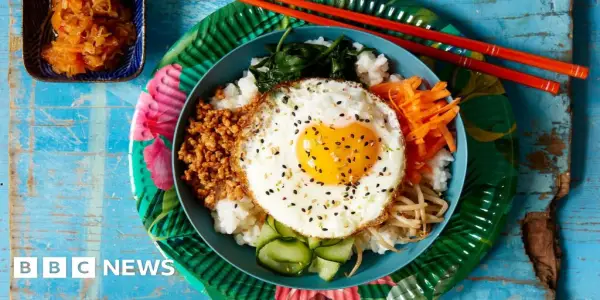
Korean cuisine is making waves in the UK as kimchi and traditional ingredients become household staples, reflecting a vibrant cultural transformation inspire...
In-depth analysis
Cultural events
Recent culinary events in the UK, such as cooking classes focused on kimchi, showcase the growing interest in Korean cuisine. These gatherings not only teach traditional preparation methods but also serve as platforms for cultural exchange, fostering a deeper appreciation for the nuances of Korean food culture among diverse audiences.
Impact on society
The rise of Korean cuisine in the UK reflects a broader societal shift towards embracing diverse culinary traditions, enhancing multicultural understanding and dialogue within communities.
Preserving heritage
As Korean cuisine gains traction, efforts to preserve its rich heritage become increasingly vital. Culinary professionals emphasize the importance of authentic ingredients and traditional methods, ensuring that the cultural significance of dishes like kimchi is not lost amid modern adaptations.
Future outlook
The future of Korean cuisine in the UK appears promising, with increasing interest likely to lead to more authentic dining experiences and culinary innovations. As awareness continues to grow, the integration of Korean flavors into mainstream culture is expected to deepen.
Did you know?
Why this is part of our identity
The rising popularity of Korean cuisine in the UK reflects a broader cultural exchange, shaping how communities redefine their culinary identities. As British households embrace kimchi and gochujang, this shift is not merely about food; it signifies a willingness to explore and integrate diverse cultural narratives into everyday life, enriching the national palate and fostering deeper connections with global traditions.
Unknown pages of culture
Korea has a rich tradition of fermentation that goes beyond kimchi. For instance, there are over 200 types of kimchi, each varying by region and season, showcasing the country's agricultural diversity and cultural heritage. This variety illustrates the depth of Korean culinary practices often overlooked in the global spotlight.
The guardian of culture
Marcus, 34, from Chicago, recalls his grandmother’s kitchen, where the sharp scent of garlic and chili filled the air as she prepared kimchi every week. She taught him the significance of each ingredient, intertwining food with family stories. After moving to London, he sought out Korean restaurants, yearning for that connection. When he discovered a local cooking class, he felt a surge of nostalgia. As he mixed the spices and vegetables, he realized that this act was more than cooking; it was a bridge to his roots, a way to honor his grandmother's legacy while building a new culinary home in a foreign city.
From K-Pop to K-Food: The Rise of Korean Cuisine...

BBC Leadership Responds to Allegations of...

The Dual-Edged Sword of Android Gaming Handhelds:...

Pixel 10 Users Experience Significant Wi-Fi and...

Panpuri Launches Its First Singapore Store at...

Meta Launches Trade-In Initiative for Ray-Ban and...

Understanding the Significance of Hunting in...

Scholars Challenge Common Beliefs About Vikings...

Exploring the Enchantment of Nollywood Cinema


Guillermo del Toro and Oscar Isaac Infuse...
The Pursuit of a Meaningful Life: Reflections...

Duke University Students Forge New Path in Luxury...

Reviving Venetian Heritage: Antonia Sautter’s Il...

African Nations Urged to Forge Unique Democratic...

Palantir's CEO Defends Company Growth Amid...

The Challenges Facing Progressive Politics: A...

Palm Royale Returns for Season 2 on Apple TV+

Australian Authorities Address Growing Threat of...

Xinjiang Sees Surge in Tourist Visits Amid...

Exploring the Cultural Richness of Zeyrek Çinili...

Nomad Offers Premium Leather Cases for iPhone 17...

Divisions Emerge in the GOP Amid Epstein File...

Google Leverages AI to Produce Television...

Harry Brook Incident Reflects Cultural Challenges...

The Resurgence of Retro Christmas Decor: A...

Trump Proposes 'Permanent Pause' on Migration...

Discovery of Ancient Crocodile Relative in Egypt...

Exploring the Overlooked Challenges of Womanhood:...


The Optimal Timing for Cold Plunges: Before or...

Google Enhances Arts & Culture App with AI...

The Most Notable Missteps in Star Trek...

Amazon's Alexa Plus Launches in Canada with...

Meta Faces Leadership Shakeup Amid AI Strategy...

The Challenge of Understanding an Inflated Economy


The Role of AI in Shaping Thanksgiving Traditions...