Marka: A Cultural Connection Through Innovative Design
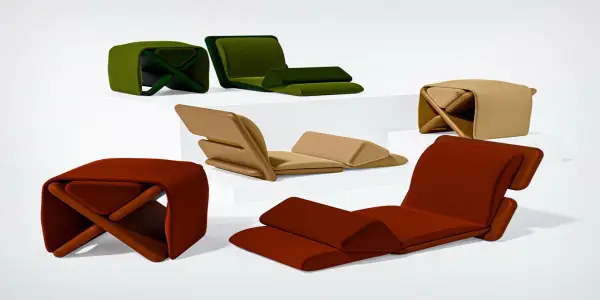
Marka reinterprets Bedouin heritage into a modular seating system that fosters community and personal reflection in contemporary spaces.
In-depth analysis
Cultural events
Marka serves as a contemporary celebration of Bedouin culture, transforming traditional seating into a modern communal experience. Its design not only honors the mobility and adaptability of past lifestyles but also invites users to engage in shared moments, reflecting a cultural narrative that resonates in today’s fast-paced world.
Impact on society
Amid rising urban isolation, Marka offers a solution by fostering personal interactions. Its design encourages users to come together, promoting community bonds and countering the loneliness often experienced in modern urban environments.
Preserving heritage
Marka's creation reflects a commitment to preserving cultural heritage through innovative design. By utilizing sustainable materials and drawing inspiration from Bedouin traditions, it bridges the gap between historical practices and contemporary needs, ensuring that cultural narratives continue to thrive.
Future outlook
As urban environments evolve, the need for designs that foster human connection will become increasingly vital. Marka's approach highlights the potential for furniture to shape social interactions, suggesting a future where thoughtful design plays a key role in enhancing community life.
Did you know?
Why this is part of our identity
The Marka seating system goes beyond aesthetics; it serves as a cultural bridge, transcending time and geography. By reflecting the Bedouin emphasis on mobility and communal living, it encapsulates a shared human experience. In an era where urbanization often leads to isolation, this design fosters connection, reminding us that our identity is woven from the threads of community and tradition.
Unknown pages of culture
The Bedouins historically used tents that could be dismantled and transported, often setting up their homes in a matter of minutes. This adaptability not only shaped their lifestyle but also influenced their approach to furniture, leading to the creation of versatile pieces that could serve multiple purposes in different contexts.
The guardian of culture
Marcus, 34, from Chicago, grew up hearing stories from his grandmother about her Bedouin roots. She often reminisced about gatherings around shared spaces, emphasizing the warmth of conversation and connection. When Marcus first encountered the Marka seating system, it struck a deep chord within him. He found himself rearranging the pieces in his small apartment, creating a cozy corner for friends. Each configuration sparked laughter and stories, allowing him to honor his heritage while forging new connections in a bustling city.
Expert Commentary

Exploring the Overlooked Challenges of Womanhood:...

The Dual-Edged Sword of Android Gaming Handhelds:...


Palm Royale Returns for Season 2 on Apple TV+
Sustainable Luxury Takes Center Stage at Miami...

Moltbook: A Social Media Platform for AI Agents...

Budget Insights: Expert Panel Evaluates Labour’s...
Populus Hotels in Seattle and Denver Redefine Art...
Debate Intensifies Over Russian Archaeologist's...

The Concourse Project: A New Hub for Austin's...
Guillermo del Toro and Oscar Isaac Infuse...
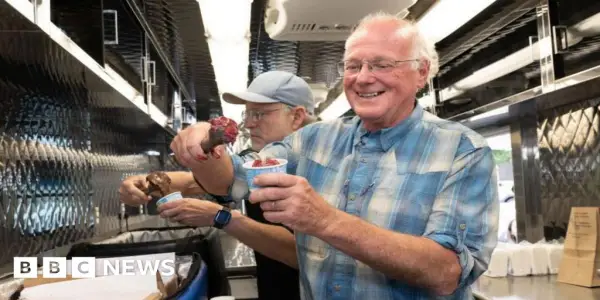
Ben & Jerry's Co-Founder Launches Independent Ice...
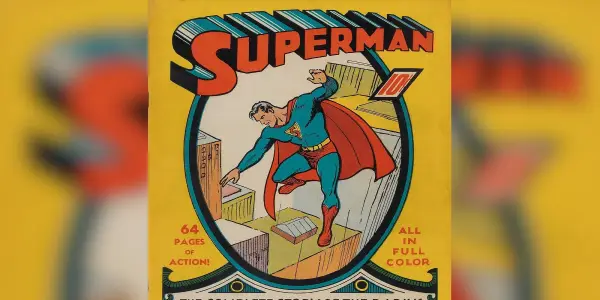
Record-Breaking Sale of Original Superman Comic...

MPs to Interrogate Key BBC Figures Amid Ongoing...

The Pursuit of a Meaningful Life: Reflections...

From K-Pop to K-Food: The Rise of Korean Cuisine...

Xinjiang Sees Surge in Tourist Visits Amid...

Panpuri Launches Its First Singapore Store at...

The Gathering Spot's $30 Million Growth: A New...
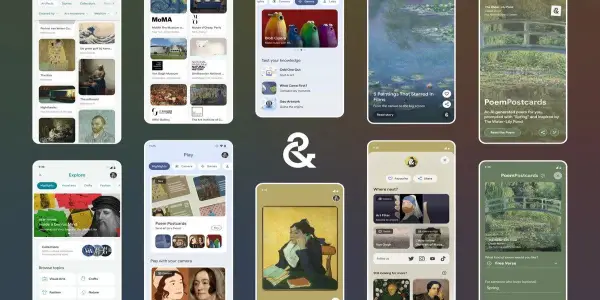
Google Enhances Arts & Culture App with AI...

Understanding the Nuances of Theft in Modern...

The Challenges Facing Progressive Politics: A...
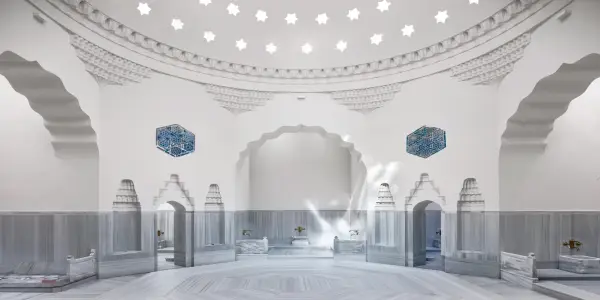
Exploring the Cultural Richness of Zeyrek Çinili...

Oulu, Finland: A Rising Star as 2026 European...

AI-Generated Image Sparks Alarm at Texas High...

Understanding the Significance of Hunting in...


DeepSeek Leadership Expresses Concerns Over AI's...

Elon Musk's Struggle for Authenticity in a...

St. Louis, Saskatchewan, Unites to Restore...
Test Your Knowledge: Complete These Iconic Quotes

The Rise and Fall of a £1 Million Glastonbury...

Exploring the Enchantment of Nollywood Cinema

NTSB Report Indicates FAA Missed Opportunities to...

The Challenge of Understanding an Inflated Economy

Government Confident in Resolving Concerns Over...

Innovative Monuments Designed by American...

Trump's Actions May Complicate Zohran Mamdani's...

Palantir's CEO Defends Company Growth Amid...