Evidence Suggests Cultural Exchange Between Modern Humans and Neanderthals Spanning 20,000 Years
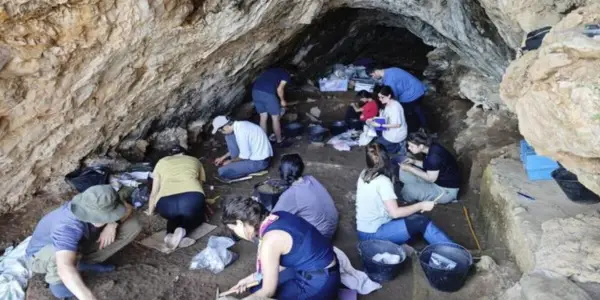
Excavations in southern Türkiye uncover shared technologies and symbolic artifacts between Neanderthals and early Homo sapiens.
In-depth analysis
Cultural events
The recent archaeological findings at Üçağızlı II Cave have shed light on the cultural practices shared between Neanderthals and early Homo sapiens over 20,000 years ago. Artifacts such as stone tools and symbolic objects suggest a significant level of cultural exchange, indicating that these two groups not only coexisted but also engaged in mutual influences that shaped their survival strategies.
Impact on society
These discoveries challenge existing narratives about human evolution, emphasizing the importance of cultural interactions in shaping early human societies. This understanding may influence contemporary perspectives on human behavior and social structures.
Preserving heritage
The findings at Üçağızlı II Cave highlight the necessity of preserving archaeological sites that hold evidence of our shared past. By safeguarding these locations, we can continue to explore the complexities of human evolution and the rich tapestry of interactions that defined early human life.
Future outlook
As research progresses, further excavations are expected to reveal more about the interactions between Neanderthals and Homo sapiens. This ongoing exploration may redefine our understanding of cultural development and human ancestry.
Did you know?
Why this is part of our identity
The discovery at Üçağızlı II Cave challenges our perception of early human history, suggesting that cultural exchange is a fundamental aspect of human identity. It highlights how interconnectedness has always been part of our evolution, reflecting a shared journey rather than isolated paths. As we uncover these ties, we gain deeper insights into our own cultural narratives and the importance of collaboration in shaping societies.
Unknown pages of culture
Neanderthals are often portrayed as brutish and primitive, but recent findings suggest they created symbolic objects, such as personal ornaments, which may have had social or spiritual significance. This challenges the long-held view of their cognitive capabilities, indicating a more complex cultural identity than previously acknowledged.
The guardian of culture
Marcus, 34, from Chicago, has always felt a deep connection to his ancestry. Growing up, his grandmother shared stories of their heritage, emphasizing the importance of shared traditions. When he learned about the cultural exchanges between Neanderthals and Homo sapiens, it struck a chord. He realized that these ancient interactions mirrored his family's blending of traditions over generations. Inspired, Marcus now volunteers at a local museum, helping to educate others about the rich tapestry of human history, reminding them that culture is an evolving narrative woven through shared experiences.
Expert Commentary

The Rise and Fall of a £1 Million Glastonbury...

Spotify Enhances Social Sharing with WhatsApp...

Panpuri Launches Its First Singapore Store at...

Marjorie Taylor Greene's Early Departure from...

BBC Leadership Responds to Allegations of...

Harry Brook Incident Reflects Cultural Challenges...

Italian Parliament Enacts Landmark Law Against...

Oulu, Finland: A Rising Star as 2026 European...
Exploring the Enchantment of Nollywood Cinema

The Challenge of Understanding an Inflated Economy



Charli XCX Moved to Tears by Collaboration with...

Budget Insights: Expert Panel Evaluates Labour’s...
Brigitte Bardot Foundation Alerts Public to...

Leading UK Scientist Warns Visa Restrictions...
Exploring the Overlooked Challenges of Womanhood:...


Pixel 10 Users Experience Significant Wi-Fi and...

Launch of Prompt Decks Marks Milestone in AI...


Discover Your Birth Animal Through a Unique Quiz

The Dual-Edged Sword of Android Gaming Handhelds:...
Understanding the Significance of Hunting in...
Bob Weir, Co-Founder of Grateful Dead, Passes...
Excavation at 700-Year-Old Monastery Reveals...
The Pursuit of a Meaningful Life: Reflections...

The Concourse Project: A New Hub for Austin's...
Guillermo del Toro and Oscar Isaac Infuse...

The Social Media Dilemma: Why Many Women Keep...

The Dark Return of Social Media Horror in...

The Role of AI in Shaping Thanksgiving Traditions...
The Olive Harvest in Palestine: A Cultural and...

English Mayors Granted Authority to Implement...

YouTube Access Issues Persist for Opera GX Users...

Google Leverages AI to Produce Television...

Nomad Offers Premium Leather Cases for iPhone 17...

NTSB Report Indicates FAA Missed Opportunities to...
Exploring the Cultural Richness of Zeyrek Çinili...