The Olive Harvest in Palestine: A Cultural and Agricultural Tradition
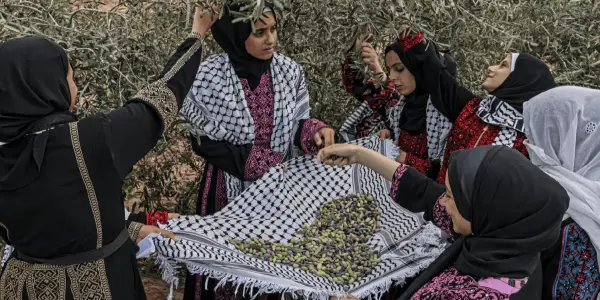
The olive harvest in the West Bank begins, uniting families in a cherished tradition that celebrates Palestinian culture, heritage, and sustenance through ge...
In-depth analysis
Cultural events
The olive harvest season in the West Bank is a vibrant cultural event, where families unite to collect olives, sharing culinary traditions and stories that connect generations. This annual gathering, which begins in October, transcends mere agriculture, embodying a celebration of heritage, community, and the essential role of olives in Palestinian cuisine.
Impact on society
The olive harvest significantly influences the local economy, as it accounts for nearly half of the cultivated land in the West Bank and Gaza Strip. This agricultural practice not only sustains livelihoods but also reinforces community ties and cultural identity.
Preserving heritage
The tradition of olive harvesting serves as a vital means of preserving Palestinian heritage. Families pass down knowledge and skills related to cultivation and processing, ensuring that the cultural significance of olives remains intact despite ongoing challenges in the region.
Future outlook
Looking ahead, the resilience of the olive harvest tradition suggests a hopeful future for Palestinian culture. Continued efforts to adapt to challenges will be crucial in maintaining this essential practice and its role in community cohesion and economic stability.
Did you know?
Why this is part of our identity
The olive harvest is more than a seasonal ritual; it embodies the essence of Palestinian identity. Each olive picked represents a connection to ancestors, a shared heritage, and a communal bond that withstands adversity. This practice transcends mere sustenance, serving as a reminder of resilience and the importance of preserving cultural legacies in the face of challenges.
Unknown pages of culture
In Palestine, olive trees can live for over a thousand years, making them some of the oldest cultivated trees in the world. This longevity not only highlights the tree's resilience but also its integral role in the historical and cultural tapestry of the region, where families often tend to trees that have been in their lineage for generations.
The guardian of culture
Marcus, 34, from Chicago, often recalls the summers spent with his grandfather in the hills of Nablus, collecting olives under the sun. Each harvest was not just about gathering fruit; it was a sacred time where stories of struggle and triumph were shared. As Marcus watches his own children learn the art of olive picking, he feels an emotional weight—an obligation to pass on the legacy of resilience and community that the olive trees symbolize. For him, these trees are not just flora; they are living connections to his heritage, grounding him in a cultural history that transcends borders and conflict.

Sustainable Luxury Takes Center Stage at Miami...


Nomad Offers Premium Leather Cases for iPhone 17...

Meta Launches Trade-In Initiative for Ray-Ban and...
Excavation at 700-Year-Old Monastery Reveals...

Italian Parliament Enacts Landmark Law Against...

Meta Faces Leadership Shakeup Amid AI Strategy...

The Pursuit of a Meaningful Life: Reflections...

Late-Night Eating Linked to Worsening Digestive...

African Nations Urged to Forge Unique Democratic...

Discover Your Birth Animal Through a Unique Quiz

AI-Generated Image Sparks Alarm at Texas High...


Verizon Announces Layoffs Affecting Over 13,000...

Teachers Face Online Harassment Following...

Exploring the Cultural Richness of Zeyrek Çinili...

The Lavish Lives of Text Scammers: A Look into...
Authors Advocate Automatic Library Card...

Duke University Students Forge New Path in Luxury...

The Role of AI in Shaping Thanksgiving Traditions...

The Rise of 'Silver Influencers' on TikTok and...

Google Leverages AI to Produce Television...

Divisions Emerge in the GOP Amid Epstein File...

Internet Archive Celebrates Milestone of One...

The Challenges Facing Progressive Politics: A...

Moltbook: A Social Media Platform for AI Agents...
Brigitte Bardot Foundation Alerts Public to...

Exploring the Overlooked Challenges of Womanhood:...

Reviving Venetian Heritage: Antonia Sautter’s Il...

Exploring the Enchantment of Nollywood Cinema

Guillermo del Toro and Oscar Isaac Infuse...

NTSB Report Indicates FAA Missed Opportunities to...

Marjorie Taylor Greene's Early Departure from...

YouTube Access Issues Persist for Opera GX Users...

Australian Authorities Address Growing Threat of...
The Decline of Sexual Activity Among Young...

The Rise and Fall of a £1 Million Glastonbury...

The Social Media Dilemma: Why Many Women Keep...