Google Pixel Cameras Experience Jittery Performance After Android 16 QPR3 Beta Update

Users report jittery camera performance on Google Pixel devices after the Android 16 QPR3 beta update, with persistent issues in macro mode causing blurry im...
In-depth analysis
Cultural events
The ongoing discussions surrounding the camera issues in Google Pixel devices have sparked a lively exchange among tech enthusiasts and photographers. Online forums and social media platforms have become venues for sharing experiences and showcasing macro photography attempts, illustrating the community's engagement with the evolving landscape of smartphone technology.
Impact on society
The camera performance problems may reshape consumer trust in tech brands, particularly Google. As users voice their dissatisfaction, the potential for shifts in brand loyalty becomes evident, especially among photography enthusiasts.
Preserving heritage
The challenges faced by Google Pixel devices highlight the delicate balance between innovation and reliability in technology. As brands strive to push boundaries, preserving the user experience remains crucial, ensuring that advancements do not compromise the quality that consumers expect.
Future outlook
As Google works toward resolving these camera issues, the focus will likely shift to enhancing quality control in future updates. The outcome may influence how brands approach software development and user feedback integration moving forward.
Did you know?
Why this is part of our identity
Camera performance is deeply woven into the fabric of smartphone identity. For many, a phone is not just a device but a tool for capturing memories. Google's Pixel line, known for its photographic innovation, faces scrutiny as users grapple with blurry images. This challenge reflects a broader struggle in tech—balancing rapid updates with user expectations, which can shape brand loyalty and influence cultural narratives around technology.
Unknown pages of culture
Did you know that the first digital camera was invented in 1975 by Steven Sasson, an engineer at Kodak? It weighed about 8 pounds and took 23 seconds to capture a single image, proving that the evolution of photography has roots in relentless innovation, much like today's smartphone technologies.
The guardian of culture
Marcus, 34, from Chicago, has always been passionate about photography. When he purchased the Pixel 8, he envisioned capturing the vibrant street art of his neighborhood. However, after experiencing the macro lens issues, his excitement turned to disappointment. He recalls a moment at an art festival where he missed capturing the intricate details of a mural due to the camera’s focus problems. For Marcus, photography is more than a hobby; it’s a way to document culture and share stories. This struggle with technology deeply affects his connection to the art around him, reinforcing the emotional weight that reliable tools can carry in preserving moments.

Trump Proposes 'Permanent Pause' on Migration...

Australian Authorities Address Growing Threat of...

Eddie Jones Outlines Vision for Rugby's Future...


Excavation at 700-Year-Old Monastery Reveals...

Ancient Jordanian Site Sheds Light on a Lost...

Internet Archive Celebrates Milestone of One...

Divisions Emerge in the GOP Amid Epstein File...

The Decline of Sexual Activity Among Young...

The Personal is Political: An Examination of...

Bob Weir, Co-Founder of Grateful Dead, Passes...

Trump's Actions May Complicate Zohran Mamdani's...

Discover Your Birth Animal Through a Unique Quiz

The Challenges Facing Progressive Politics: A...

Late-Night Eating Linked to Worsening Digestive...


The Pursuit of a Meaningful Life: Reflections...

Saint Louis, Saskatchewan, Unites to Preserve...

The Rise of 'Silver Influencers' on TikTok and...

Google Leverages AI to Produce Television...

The Olive Harvest in Palestine: A Cultural and...


Teachers Face Online Harassment Following...

Moltbook: A Social Media Platform for AI Agents...

Italian Parliament Enacts Landmark Law Against...

Verizon Announces Layoffs Affecting Over 13,000...

Government Confident in Resolving Concerns Over...


Marjorie Taylor Greene's Early Departure from...
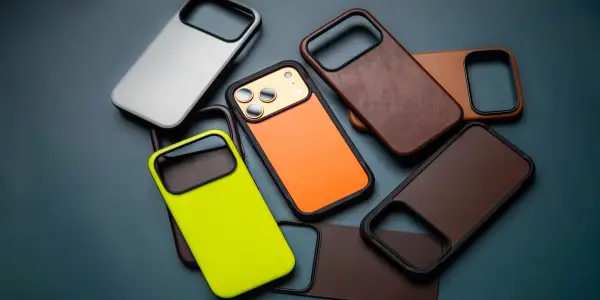
Nomad Offers Premium Leather Cases for iPhone 17...

The Perils of Innovation: Eight Scientists Who...

Reviving Venetian Heritage: Antonia Sautter’s Il...

Heritage Foundation President Issues Apology...

The Dual-Edged Sword of Android Gaming Handhelds:...

Exploring the Overlooked Challenges of Womanhood:...

Scholars Challenge Common Beliefs About Vikings...

Pixel 10 Users Experience Significant Wi-Fi and...

Palantir's CEO Defends Company Growth Amid...
Populus Hotels in Seattle and Denver Redefine Art...

Amazon's Alexa Plus Launches in Canada with...