The Misconception of Wealth as Merit in Society
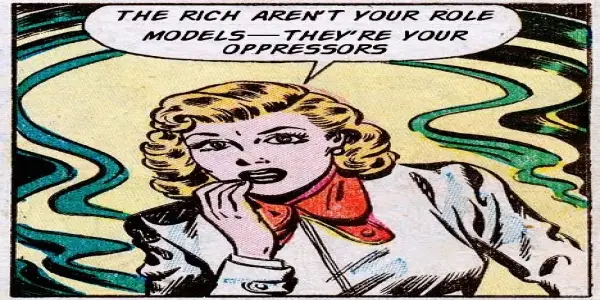
The narrative that wealth signifies societal contribution is a flawed myth of capitalism, exemplified by the rise of billionaires like Elon Musk amidst widespread poverty.
In-depth analysis
Cultural events
The ongoing discourse surrounding wealth accumulation and figures like Elon Musk has sparked various cultural events, including public debates and art installations that critique capitalism. These events aim to challenge the glorification of billionaires and highlight the systemic issues behind wealth concentration, encouraging a broader dialogue about societal values and the role of collective contributions.
Impact on society
The widening wealth gap has profound implications for societal structures, exacerbating inequalities in access to essential services. This trend raises concerns about the sustainability of social cohesion and the potential for increased unrest as disparities become more pronounced.
Preserving heritage
Efforts to preserve cultural heritage are increasingly intertwined with discussions on wealth distribution. Recognizing the contributions of collective labor in shaping industries can help in safeguarding traditions and practices that reflect the community's values, rather than allowing them to be overshadowed by individual wealth narratives.
Future outlook
Looking ahead, the conversation surrounding wealth inequality is likely to intensify, prompting calls for systemic reform. A shift towards valuing collective contributions may emerge as a critical response to the challenges posed by extreme wealth concentration and its societal ramifications.
Did you know?
Why this is part of our identity
Wealth accumulation in our society often reflects a narrative that elevates individual success over collective contributions. This mindset shapes not only economic policies but also cultural values, fostering a belief that hard work alone guarantees prosperity. As the wealth gap widens, it becomes vital to challenge this identity and recognize the systemic issues that enable such disparities, fostering a more equitable understanding of success.
Unknown pages of culture
In 1936, the United States had only 1 billionaire, John D. Rockefeller. Fast forward to today, and the number has skyrocketed, with over 700 billionaires. This explosive growth highlights an unsettling trend of wealth concentration that contrasts sharply with the past, where wealth was distributed more evenly across society.
The guardian of culture
Marcus, 34, from Chicago, works tirelessly as a mechanic. He often reflects on how the narratives around billionaires overshadow the hard work of individuals like him. One day, while repairing a car, Marcus overheard a conversation about Elon Musk's wealth. It struck him that his labor contributes to the very industries fueling such fortunes. For Marcus, understanding this dynamic is crucial; it motivates him to advocate for fair wages within his community, ensuring that the collective efforts of workers are recognized and valued.
Expert Commentary

Butlin's Holiday Incident Leads to Cancer...

Ben & Jerry's Co-Founder Launches Independent Ice...


The Rise of Anti-Social Media: A New Digital Era
Bob Weir, Co-Founder of Grateful Dead, Passes...

The Personal is Political: An Examination of...
Test Your Knowledge: Complete These Iconic Quotes

Eddie Jones Outlines Vision for Rugby's Future...

Surge in Tax Season Scams Amid Filing Confusion

The Rise of 'AI Slop': A Historical Perspective...
Divisions Emerge in the GOP Amid Epstein File...

Harry Brook Incident Reflects Cultural Challenges...

AI Recipe Recommendations Raise Concerns for...

The Social Media Dilemma: Why Many Women Keep...

Navigating Challenges: The Current Landscape for...

Duke University Students Forge New Path in Luxury...

Paralympic Swimmer Jess Smith Highlights AI's...

The Concourse Project: A New Hub for Austin's...
Debate Intensifies Over Russian Archaeologist's...

Meta Launches Trade-In Initiative for Ray-Ban and...

Google Enhances Arts & Culture App with AI...

Xbox and Crocs Combine Gaming and Fashion with...

Verizon Announces Layoffs Affecting Over 13,000...

The Olive Harvest in Palestine: A Cultural and...

Oulu, Finland: A Rising Star as 2026 European...

The Rise and Fall of a £1 Million Glastonbury...
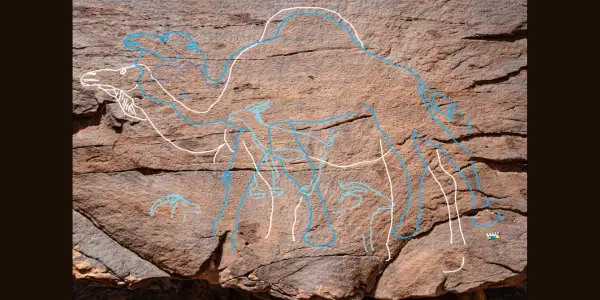
Ancient Rock Art in Saudi Arabia Sheds Light on...

Guillermo del Toro and Oscar Isaac Infuse...

Denmark's Prime Minister Calls for Action Against...

The Role of AI in Shaping Thanksgiving Traditions...

The Pursuit of a Meaningful Life: Reflections...

YouTube Access Issues Persist for Opera GX Users...

Garmin Venu 4 vs. Venu X1: Evaluating Features...

DeepSeek Leadership Expresses Concerns Over AI's...
The Challenges Facing Progressive Politics: A...

Brigitte Bardot Foundation Alerts Public to...
Palantir's CEO Defends Company Growth Amid...

Australian Teens Challenge Social Media Ban in...

The Challenge of Understanding an Inflated Economy
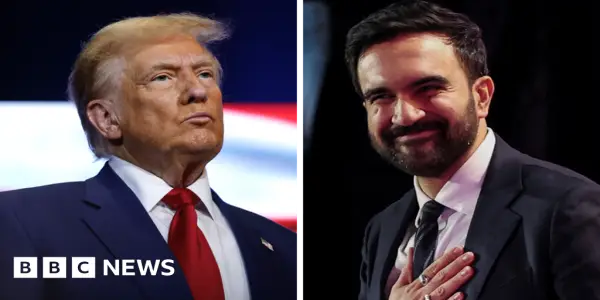
Trump's Actions May Complicate Zohran Mamdani's...