Debate Intensifies Over Russian Archaeologist's Activities in Occupied Crimea
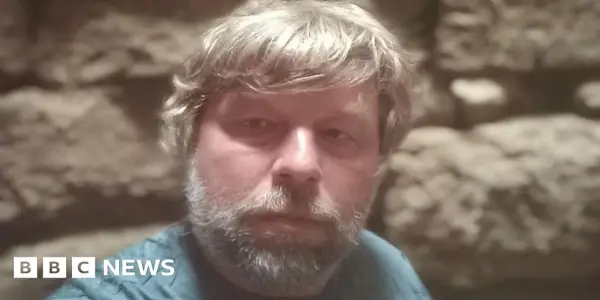
The situation surrounding a detained Russian archaeologist raises questions about the intersection of cultural heritage, legality, and the ongoing conflict in Ukraine.
In-depth analysis
Cultural events
The detention of Russian archaeologist Alexander Butyagin in Poland has sparked a broader discourse on cultural heritage amidst geopolitical tensions. His archaeological work in Crimea, particularly at the ancient site of Myrmekion, has drawn both support for its historical significance and criticism for its implications regarding cultural appropriation and the legitimacy of Russian authority in the region.
Impact on society
This case underscores the complexities of cultural heritage in conflict zones, revealing societal divisions over the interpretation of archaeological work and its ethical implications during wartime.
Preserving heritage
The situation poses critical questions about the preservation of cultural heritage under occupation. While some advocate for the continuation of archaeological efforts in Crimea, others argue that such activities undermine Ukraine's sovereignty and violate international laws designed to protect cultural property during conflicts.
Future outlook
The legal and ethical ramifications of Butyagin's case may influence future archaeological practices in contested regions, prompting a re-evaluation of international norms and responsibilities among cultural institutions amid ongoing geopolitical conflicts.
Did you know?
Why this is part of our identity
This case highlights the intricate links between national identity and cultural heritage. In times of conflict, the preservation of history becomes a battleground itself, revealing how artifacts can symbolize sovereignty and belonging. As nations vie for recognition, the role of archaeologists transcends mere excavation; it morphs into a pivotal part of cultural diplomacy, challenging us to consider who truly owns the past.
Unknown pages of culture
The ancient city of Myrmekion, where Butyagin worked, was not just a Greek colony; it is believed to have housed one of the earliest known forms of democracy, predating even the classical Athenian model. This lesser-known aspect underscores the site's significance beyond its archaeological treasures.
The guardian of culture
Marcus, 34, from Chicago, grew up listening to his grandmother's tales of family heirlooms lost during World War II. For him, these artifacts are more than just objects; they are embodiments of identity and memory. When he learned about Butyagin's detainment, Marcus felt a profound sense of loss, recognizing that cultural heritage is fragile and often caught in the crossfire of geopolitical conflicts. His grandmother's stories drove him to become an advocate for cultural preservation, as he believes that every artifact recovered is a bridge to understanding our shared humanity.

Trump Proposes 'Permanent Pause' on Migration...

From K-Pop to K-Food: The Rise of Korean Cuisine...

AI-Generated Image Sparks Alarm at Texas High...

Excavation at 700-Year-Old Monastery Reveals...

The Rise of 'Silver Influencers' on TikTok and...

Exploring the Overlooked Challenges of Womanhood:...

Pixel 10 Users Experience Significant Wi-Fi and...

The Social Media Dilemma: Why Many Women Keep...

The Optimal Timing for Cold Plunges: Before or...

Innovative Monuments Designed by American...

AI Recipe Recommendations Raise Concerns for...

The Pursuit of a Meaningful Life: Reflections...

The Gathering Spot's $30 Million Growth: A New...

Oulu, Finland: A Rising Star as 2026 European...

Meta Faces Leadership Shakeup Amid AI Strategy...

Government Confident in Resolving Concerns Over...
Guillermo del Toro and Oscar Isaac Infuse...

Palm Royale Returns for Season 2 on Apple TV+

Chuck Lorre's Influence on Teenage Mutant Ninja...

Xinjiang Sees Surge in Tourist Visits Amid...
Debate Intensifies Over Russian Archaeologist's...
Heritage Foundation President Issues Apology...

Xbox and Crocs Combine Gaming and Fashion with...


Google Leverages AI to Produce Television...

Sustainable Luxury Takes Center Stage at Miami...
The Personal is Political: An Examination of...

Nomad Offers Premium Leather Cases for iPhone 17...

The Resurgence of Retro Christmas Decor: A...

Emerging Nigerian Designers Showcase Cultural...

Authors Advocate Automatic Library Card...
Reviving Venetian Heritage: Antonia Sautter’s Il...

MPs to Interrogate Key BBC Figures Amid Ongoing...
The Rise of 'AI Slop': A Historical Perspective...

NTSB Report Indicates FAA Missed Opportunities to...
Marjorie Taylor Greene's Early Departure from...

Panpuri Launches Its First Singapore Store at...

Discovery of Ancient Crocodile Relative in Egypt...

The Most Notable Missteps in Star Trek...