Discovery of Ancient Crocodile Relative in Egypt Challenges Evolutionary Timeline
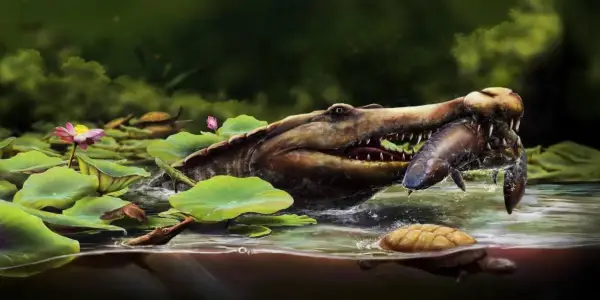
The identification of Wadisuchus kassabi, a newly discovered crocodile relative from Egypt, significantly alters the understanding of dyrosaurid origins, indicating they existed millions of years earlier than previously thought.
In-depth analysis
Cultural events
The discovery of Wadisuchus kassabi has sparked renewed interest in Egypt's paleontological heritage, prompting local museums and educational institutions to organize exhibitions and lectures. These events aim to engage the public with the significance of the find, highlighting the country's rich history and its contributions to the understanding of ancient life forms.
Impact on society
The uncovering of Wadisuchus kassabi has the potential to inspire a greater appreciation for Egypt's natural history, encouraging public interest in science and conservation efforts. This discovery may also foster a sense of national pride linked to the country's ancient biodiversity.
Preserving heritage
The fossil remains of Wadisuchus kassabi underscore the urgency of protecting Egypt's paleontological sites from urbanization and agricultural development. Ongoing research and advocacy efforts are essential to ensure these significant locations are preserved, allowing future generations to explore their rich natural heritage.
Future outlook
As research continues, the implications of Wadisuchus kassabi could lead to further discoveries that reshape our understanding of crocodilian evolution. Collaborative efforts among scientists and conservationists may enhance protection measures for vital fossil sites, ensuring their legacy endures.
Did you know?
Why this is part of our identity
The discovery of Wadisuchus kassabi is not just a scientific milestone; it embodies the deep connection between Egypt's rich history and its role in understanding life on Earth. This fossil highlights how our past informs our identity, showcasing the importance of preserving natural heritage. Each find in the Western Desert reinforces the narrative that our land holds secrets vital to comprehending the intricate tapestry of evolution.
Unknown pages of culture
The Western Desert of Egypt, where Wadisuchus kassabi was found, is home to the ancient site of Nabta Playa, which predates Stonehenge. This archaeological site reveals that early civilizations engaged in complex social and cultural practices, illustrating a long-standing human connection to this remarkable landscape.
The guardian of culture
Marcus, 34, from Chicago, recalls a childhood spent exploring the Field Museum, where he first encountered a life-sized dinosaur exhibit. Inspired by the thrill of ancient discovery, he pursued a career in paleontology. When he heard about Wadisuchus kassabi, he felt a rush of pride, knowing that each fossil tells a story bridging time and space. Marcus dreams of returning to Egypt one day, not just to visit the sites but to contribute to the preservation of its rich paleontological heritage, ensuring future generations can share in the wonder he experienced.

Harry Brook Incident Reflects Cultural Challenges...

Launch of Prompt Decks Marks Milestone in AI...
St. Louis, Saskatchewan, Unites to Restore...
Understanding the Significance of Hunting in...

Italian Parliament Enacts Landmark Law Against...

The Resurgence of Retro Christmas Decor: A...

Moltbook: A Social Media Platform for AI Agents...


Reviving Venetian Heritage: Antonia Sautter’s Il...

Charli XCX Moved to Tears by Collaboration with...

The Rise of 'AI Slop': A Historical Perspective...

Sustainable Luxury Takes Center Stage at Miami...

UK Establishes Annual Day of Remembrance for...

Xbox and Crocs Combine Gaming and Fashion with...

Duke University Students Forge New Path in Luxury...

Internet Archive Celebrates Milestone of One...


Xinjiang Sees Surge in Tourist Visits Amid...

Authors Advocate Automatic Library Card...
Record-Breaking Sale of Original Superman Comic...

Budget Insights: Expert Panel Evaluates Labour’s...

AI Recipe Recommendations Raise Concerns for...
Trump Proposes 'Permanent Pause' on Migration...

Australian Authorities Address Growing Threat of...
Heritage Foundation President Issues Apology...
Discovery of Ancient Crocodile Relative in Egypt...

Eddie Jones Outlines Vision for Rugby's Future...
Test Your Knowledge: Complete These Iconic Quotes

The Role of AI in Shaping Thanksgiving Traditions...

BBC Leadership Responds to Allegations of...

The Rise and Fall of a £1 Million Glastonbury...

The Optimal Timing for Cold Plunges: Before or...
The Challenges Facing Progressive Politics: A...

Palm Royale Returns for Season 2 on Apple TV+

Discover Your Birth Animal Through a Unique Quiz
Bob Weir, Co-Founder of Grateful Dead, Passes...

DeepSeek Leadership Expresses Concerns Over AI's...

Pixel 10 Users Experience Significant Wi-Fi and...

Amazon's Alexa Plus Launches in Canada with...

Government Confident in Resolving Concerns Over...