Excavation at 700-Year-Old Monastery Reveals Surprising Discoveries About Queen Elisenda's Tomb
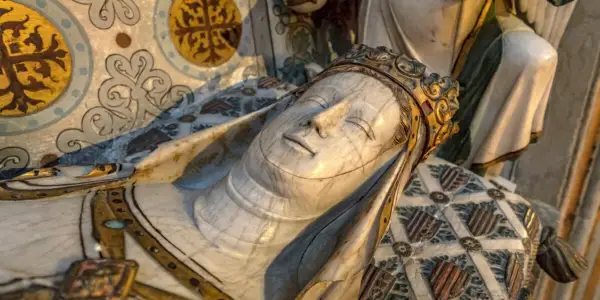
Archaeologists uncover unexpected findings in the Royal Monastery of Pedralbes, revealing new insights into Queen Elisenda and her burial practices.
In-depth analysis
Cultural events
The ongoing excavation at the Royal Monastery of Pedralbes, commemorating its 700th anniversary, has unveiled significant archaeological findings. These discoveries, particularly those related to Queen Elisenda of Aragon, highlight the intricate historical narratives and cultural practices of medieval Spain, enriching the understanding of monastic life and its societal implications.
Impact on society
The findings from Pedralbes are reshaping perceptions of historical figures and their societal roles, prompting a reevaluation of medieval burial customs and family dynamics. This research fosters a deeper understanding of the complexities within Aragonese history.
Preserving heritage
The excavation efforts at the Royal Monastery of Pedralbes represent a crucial step in preserving cultural heritage. By uncovering and analyzing historical remains, researchers aim to safeguard the narratives of those who lived during Queen Elisenda's time, ensuring their stories remain integral to the region's identity.
Future outlook
As the excavation continues, there is optimism about further discoveries that could illuminate medieval practices and societal structures. The integration of new findings into historical narratives promises to enhance our understanding of this significant period in Aragonese history.
Did you know?
Why this is part of our identity
The findings at the Royal Monastery of Pedralbes resonate deeply with our collective identity, revealing the intricate threads of history that connect us to our past. They challenge romanticized narratives, inviting a more nuanced understanding of figures like Queen Elisenda. This excavation not only uncovers individual stories but also highlights how personal and communal histories are intertwined, shaping our cultural landscape.
Unknown pages of culture
Many are unaware that Queen Elisenda of Aragon was not just a royal figure; she actively participated in monastic life, contributing to the Poor Clares' community. Her involvement exemplifies the often-overlooked role women played in shaping religious and cultural institutions during the medieval period.
The guardian of culture
Marcus, 34, from Chicago, found a deep connection to his Spanish heritage through the story of Queen Elisenda. Growing up, his grandmother shared tales of their lineage, emphasizing their ties to historical figures. When he learned about the Pedralbes excavation, he felt a surge of pride and curiosity. Marcus visited the monastery, tracing the footsteps of his ancestors, and realized that understanding their past enriched his own identity. Each artifact unearthed felt like a piece of his family's story, reinforcing the idea that history is not just about the past but also about shaping future generations.
Expert Commentary
Debate Intensifies Over Russian Archaeologist's...

From K-Pop to K-Food: The Rise of Korean Cuisine...

Leading UK Scientist Warns Visa Restrictions...

Elon Musk's Struggle for Authenticity in a...

Understanding the Nuances of Theft in Modern...

Google Leverages AI to Produce Television...

Surge in Tax Season Scams Amid Filing Confusion


Exploring the Enchantment of Nollywood Cinema

DeepSeek Leadership Expresses Concerns Over AI's...

Sustainable Luxury Takes Center Stage at Miami...

The Gathering Spot's $30 Million Growth: A New...
Populus Hotels in Seattle and Denver Redefine Art...

The Olive Harvest in Palestine: A Cultural and...

Doja Cat Disavows Controversial Fortnite Post,...

Butlin's Holiday Incident Leads to Cancer...
The Perils of Innovation: Eight Scientists Who...

The Pursuit of a Meaningful Life: Reflections...

Government Confident in Resolving Concerns Over...

Marjorie Taylor Greene's Early Departure from...

The Challenges Facing Progressive Politics: A...

Authors Advocate Automatic Library Card...

New UK Passports to Feature King's Coat of Arms...

Record-Breaking Sale of Original Superman Comic...

Nomad Offers Premium Leather Cases for iPhone 17...

Meta Faces Leadership Shakeup Amid AI Strategy...

Historian Rutger Bregman Critiques BBC's Editing...

Xinjiang Sees Surge in Tourist Visits Amid...

St. Louis, Saskatchewan, Unites to Restore...

Amazon's Alexa Plus Launches in Canada with...

NTSB Report Indicates FAA Missed Opportunities to...

Palantir's CEO Defends Company Growth Amid...

Emerging Nigerian Designers Showcase Cultural...
Reviving Venetian Heritage: Antonia Sautter’s Il...

Xbox and Crocs Combine Gaming and Fashion with...

Oulu, Finland: A Rising Star as 2026 European...

The Rise of Anti-Social Media: A New Digital Era

Budget Insights: Expert Panel Evaluates Labour’s...

UK Launches New Clinical Trial for Puberty...