Cultural Stagnation in the 21st Century: Pathways to Innovation
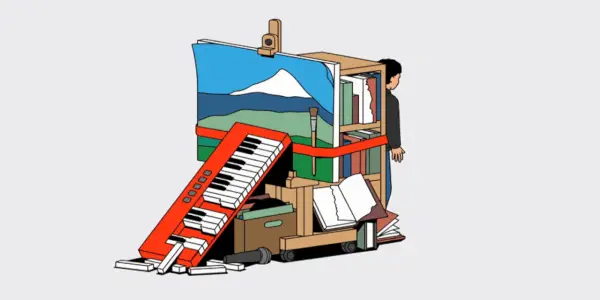
Explore the challenges of cultural stagnation in the 21st century as experts discuss the decline of innovation in art and media amidst market-driven trends.
In-depth analysis
Cultural events
Recent cultural events reflect a growing discontent with the current state of artistic expression. Festivals and exhibitions are increasingly showcasing avant-garde artists who challenge mainstream narratives, aiming to revitalize the dialogue around creativity. These gatherings serve as vital platforms for experimentation, encouraging both artists and audiences to explore new ideas and push beyond conventional boundaries.
Impact on society
The current cultural climate is reshaping societal values, as art becomes more commercialized and less innovative. This trend risks dulling public engagement with complex ideas, leading to a society that may prioritize entertainment over meaningful discourse.
Preserving heritage
Efforts to preserve artistic heritage are crucial in combating cultural stagnation. Initiatives that focus on documenting and celebrating past movements can inspire contemporary creators to draw from rich traditions while forging new paths. By maintaining a connection to historical contexts, artists can cultivate a deeper understanding of their craft and its societal implications.
Future outlook
The future of cultural expression hinges on a collective commitment to innovation and authenticity. As audiences begin to seek out more meaningful experiences, there is potential for a resurgence of daring artistic endeavors that challenge the status quo and embrace diversity.
Did you know?
Why this is part of our identity
Cultural expression serves as a mirror reflecting societal values, aspirations, and struggles. In an era where content is abundant yet often superficial, the challenge becomes identifying and nurturing the innovative voices that can redefine our collective identity. As we yearn for artistic depth, the tension between market forces and genuine creativity invites a critical examination of what we choose to celebrate and promote in our cultural landscape.
Unknown pages of culture
In the early 20th century, the Dada movement emerged as a reaction against the chaos of World War I. Artists like Marcel Duchamp rejected traditional aesthetics, using everyday objects to challenge societal norms. This radical approach paved the way for modern conceptual art, illustrating how cultural upheaval can inspire profound innovation.
The guardian of culture
Marcus, 34, from Chicago, grew up visiting local art galleries and community workshops, where he first encountered the raw energy of street art. One day, he met a muralist who painted over a vacant building, transforming it into a vibrant canvas that spoke to the neighborhood's struggles and dreams. This moment ignited Marcus's passion for preserving local culture. Now, he organizes community art festivals, ensuring that diverse voices are heard and celebrated. For him, these events are not just about art; they are a lifeline for his community's identity, echoing the creative spirit that once thrived on society's fringes.

Harry Brook Incident Reflects Cultural Challenges...

Understanding the Significance of Hunting in...

Emerging Nigerian Designers Showcase Cultural...

Google Enhances Arts & Culture App with AI...

Internet Archive Celebrates Milestone of One...
Late-Night Eating Linked to Worsening Digestive...


The Rise of 'Silver Influencers' on TikTok and...

The Role of AI in Shaping Thanksgiving Traditions...

DeepSeek Leadership Expresses Concerns Over AI's...

MPs to Interrogate Key BBC Figures Amid Ongoing...

Authors Advocate Automatic Library Card...
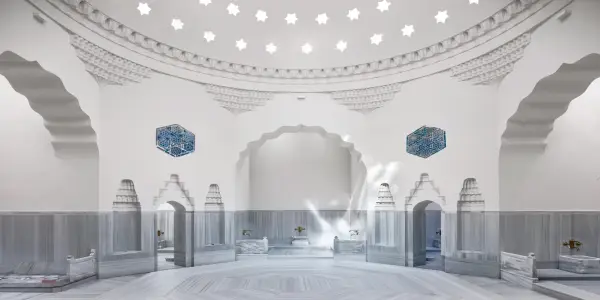
Exploring the Cultural Richness of Zeyrek Çinili...

The Challenge of Understanding an Inflated Economy

Scholars Challenge Common Beliefs About Vikings...

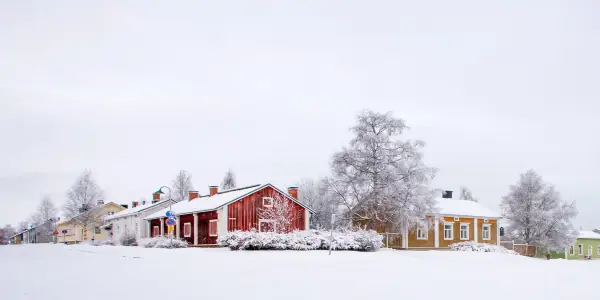
Oulu, Finland: A Rising Star as 2026 European...
Debate Intensifies Over Russian Archaeologist's...
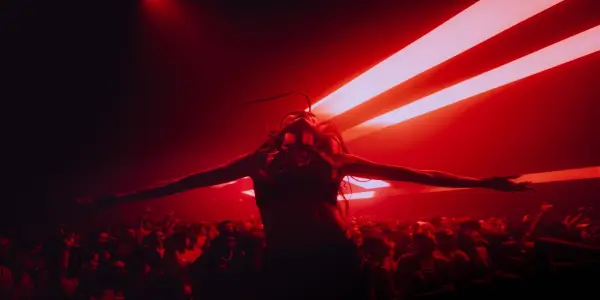
The Concourse Project: A New Hub for Austin's...

Marjorie Taylor Greene's Early Departure from...

Pixel 10 Users Experience Significant Wi-Fi and...

Sustainable Luxury Takes Center Stage at Miami...

Discover Your Birth Animal Through a Unique Quiz


Xinjiang Sees Surge in Tourist Visits Amid...

The Dual-Edged Sword of Android Gaming Handhelds:...
Understanding the Nuances of Theft in Modern...
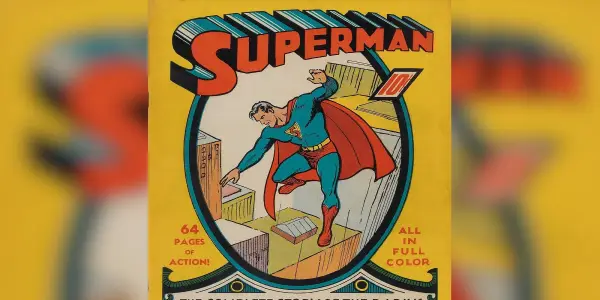
Record-Breaking Sale of Original Superman Comic...

The Personal is Political: An Examination of...

The Gathering Spot's $30 Million Growth: A New...


NTSB Report Indicates FAA Missed Opportunities to...

Amazon's Alexa Plus Launches in Canada with...

Australian Authorities Address Growing Threat of...
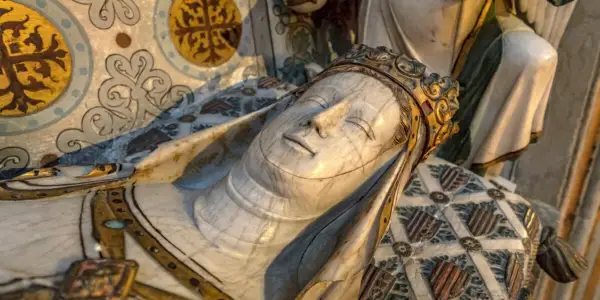
Excavation at 700-Year-Old Monastery Reveals...

Xbox and Crocs Combine Gaming and Fashion with...
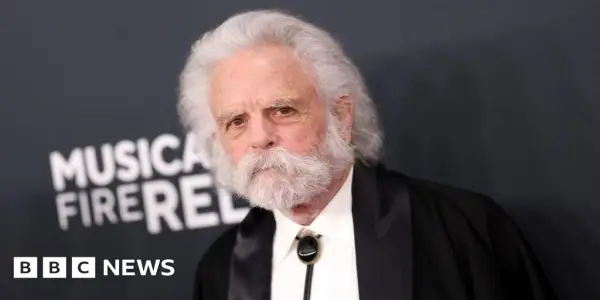
Bob Weir, Co-Founder of Grateful Dead, Passes...
Chuck Lorre's Influence on Teenage Mutant Ninja...