Understanding the Nuances of Theft in Modern Society

The concept of theft extends beyond the mere act of stealing physical property, delving into the complexities of cultural, intellectual, and emotional dimensions.
In-depth analysis
Cultural events
Cultural events often explore the multifaceted nature of theft, showcasing how societies interpret and respond to the act. Festivals, art exhibitions, and performances frequently highlight historical instances of theft, such as grain pilfering in agricultural communities or the appropriation of artistic styles, prompting dialogue on ownership and value in contemporary contexts.
Impact on society
The repercussions of theft extend beyond individual loss, influencing societal trust and economic stability. As communities grapple with the implications of both physical and intellectual theft, the resulting discourse shapes cultural norms and legal frameworks surrounding property and creativity.
Preserving heritage
Efforts to preserve heritage often intersect with the discourse on theft, particularly concerning cultural artifacts and traditional practices. Protecting these elements not only safeguards identity but also fosters respect for original creators, emphasizing the importance of ethical stewardship in maintaining cultural legacies.
Future outlook
As technology continues to evolve, the landscape of theft and ownership will likely undergo further transformation. Emerging challenges will demand innovative solutions to protect intellectual property while balancing the need for creative freedom and collaboration.
Did you know?
Why this is part of our identity
The concept of theft resonates deeply within our cultural framework, shaping our values around ownership and community. As societies evolve, so too does the understanding of what constitutes theft, influencing legal systems and social norms. This evolution highlights a collective struggle to balance individual rights with shared responsibilities, revealing how integral these discussions are to our identity and interactions.
Unknown pages of culture
In ancient Rome, the legal code included a unique provision for theft known as 'furtum,' which allowed certain stolen goods to be returned if the owner had been negligent. This reflects a nuanced view of responsibility and ownership, where both parties share a role in safeguarding property.
The guardian of culture
Marcus, 34, from Chicago, grew up in a family of musicians who struggled to get fair compensation for their performances. He remembers his mother, a talented singer, often frustrated by venues that didn’t pay her for her work. One evening, after a particularly disheartening gig, she told him, 'Our art is our life; it deserves respect.' Inspired, Marcus now advocates for artists' rights, believing that protecting creativity is essential to preserving cultural heritage. His passion stems from a personal history that intertwines art and the fight against theft—of both music and dignity.

The Rise and Fall of a £1 Million Glastonbury...

Spotify Enhances Social Sharing with WhatsApp...

Panpuri Launches Its First Singapore Store at...

Marjorie Taylor Greene's Early Departure from...

BBC Leadership Responds to Allegations of...

Harry Brook Incident Reflects Cultural Challenges...

Leading UK Scientist Warns Visa Restrictions...

Oulu, Finland: A Rising Star as 2026 European...

Exploring the Enchantment of Nollywood Cinema

The Challenge of Understanding an Inflated Economy



Charli XCX Moved to Tears by Collaboration with...

Budget Insights: Expert Panel Evaluates Labour’s...

Brigitte Bardot Foundation Alerts Public to...


Exploring the Overlooked Challenges of Womanhood:...


Pixel 10 Users Experience Significant Wi-Fi and...

Launch of Prompt Decks Marks Milestone in AI...


Discover Your Birth Animal Through a Unique Quiz

The Dual-Edged Sword of Android Gaming Handhelds:...

Understanding the Significance of Hunting in...
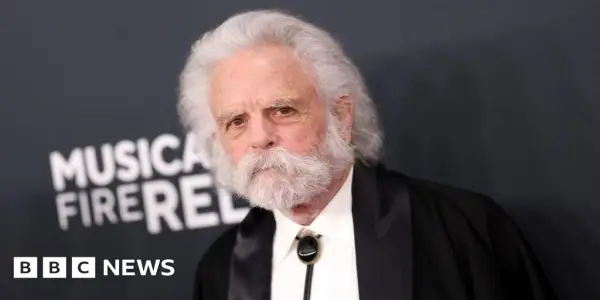
Bob Weir, Co-Founder of Grateful Dead, Passes...
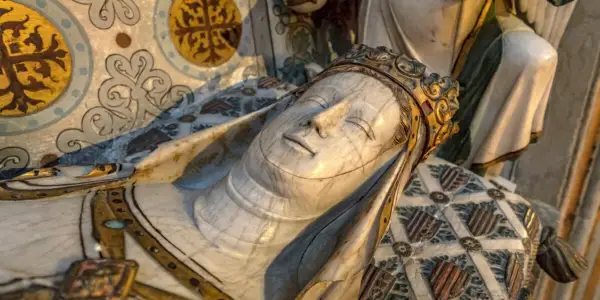
Excavation at 700-Year-Old Monastery Reveals...
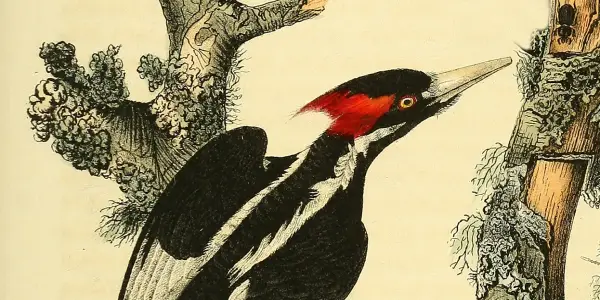
The Pursuit of a Meaningful Life: Reflections...


The Concourse Project: A New Hub for Austin's...
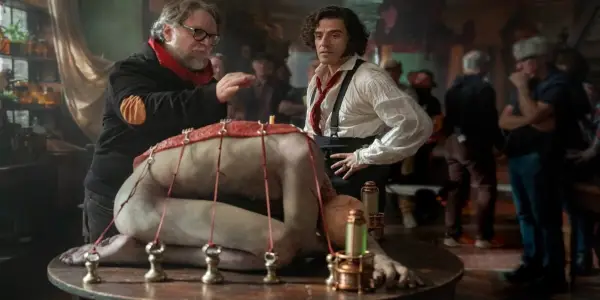
Guillermo del Toro and Oscar Isaac Infuse...

The Social Media Dilemma: Why Many Women Keep...

The Dark Return of Social Media Horror in...

The Role of AI in Shaping Thanksgiving Traditions...

The Olive Harvest in Palestine: A Cultural and...

English Mayors Granted Authority to Implement...

YouTube Access Issues Persist for Opera GX Users...

Google Leverages AI to Produce Television...

Nomad Offers Premium Leather Cases for iPhone 17...

NTSB Report Indicates FAA Missed Opportunities to...

Exploring the Cultural Richness of Zeyrek Çinili...