Android 17 QPR1 Beta 7 Addresses Long-Standing Issues for Pixel Users

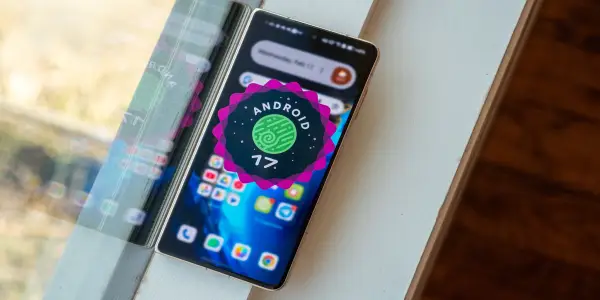
Android 17 QPR1 Beta 7 resolves persistent problems affecting Pixel users, with fixes now available for enrolled testers on supported devices.
In-depth analysis
Cultural events
The release of Android 17 QPR1 Beta 7 has sparked interest within the tech community, leading to discussions and forums dedicated to sharing user experiences. Tech enthusiasts and developers are engaging in cultural events, such as online meetups and webinars, to explore the implications of this update on the Android ecosystem and its user interface advancements.
Impact on society
The updates provided in Android 17 QPR1 Beta 7 reflect a broader trend of technology companies prioritizing user feedback, which can enhance overall digital literacy and accessibility within society, ultimately leading to a more informed user base.
Preserving heritage
As Android continues to evolve, preserving the core functionalities that users have come to rely on remains essential. The updates not only address current issues but also ensure that the foundational elements of the operating system are maintained, safeguarding the legacy of Android's user-centric design.
Future outlook
Looking ahead, the rapid development pace of Android suggests a promising trajectory for future updates. Users can anticipate further enhancements that will refine their experience, as Google continues to innovate and respond to feedback in a competitive market.
Did you know?
Why this is part of our identity
Updates like Android 17 QPR1 Beta 7 reflect not just technological progress but also a cultural commitment to user experience in the digital age. For many, smartphones are an extension of self, and when functionality falters, it resonates deeply. The effort to swiftly address user feedback illustrates a shared identity rooted in continuous improvement and responsiveness.
Unknown pages of culture
Many users are unaware that the Android operating system, launched in 2008, was originally designed for digital cameras before pivoting to smartphones. This unexpected origin story highlights the adaptability and evolution of technology, which continues to shape our daily interactions with devices.
The guardian of culture
Marcus, 34, from Chicago, has relied on his Pixel 6 for both work and personal life. When his phone's battery status notifications malfunctioned, it disrupted not just his schedule but his trust in technology. After experiencing frustration with the Quick Settings feature, he felt a sense of relief when Beta 7 addressed the issue. For Marcus, each update is more than a patch; it’s a reassurance that the tools that support his creativity and productivity are being cared for.
Expert Commentary

The Rise and Fall of a £1 Million Glastonbury...
Spotify Enhances Social Sharing with WhatsApp...

Panpuri Launches Its First Singapore Store at...

Marjorie Taylor Greene's Early Departure from...

BBC Leadership Responds to Allegations of...

Harry Brook Incident Reflects Cultural Challenges...

Leading UK Scientist Warns Visa Restrictions...

Oulu, Finland: A Rising Star as 2026 European...

Exploring the Enchantment of Nollywood Cinema

The Challenge of Understanding an Inflated Economy

Charli XCX Moved to Tears by Collaboration with...

Budget Insights: Expert Panel Evaluates Labour’s...

Brigitte Bardot Foundation Alerts Public to...


Exploring the Overlooked Challenges of Womanhood:...


Pixel 10 Users Experience Significant Wi-Fi and...

Launch of Prompt Decks Marks Milestone in AI...


Discover Your Birth Animal Through a Unique Quiz

The Dual-Edged Sword of Android Gaming Handhelds:...

Understanding the Significance of Hunting in...

Bob Weir, Co-Founder of Grateful Dead, Passes...

Excavation at 700-Year-Old Monastery Reveals...
The Pursuit of a Meaningful Life: Reflections...


The Concourse Project: A New Hub for Austin's...

Guillermo del Toro and Oscar Isaac Infuse...

The Social Media Dilemma: Why Many Women Keep...

The Dark Return of Social Media Horror in...

The Role of AI in Shaping Thanksgiving Traditions...

The Olive Harvest in Palestine: A Cultural and...

English Mayors Granted Authority to Implement...

YouTube Access Issues Persist for Opera GX Users...
Google Leverages AI to Produce Television...

Nomad Offers Premium Leather Cases for iPhone 17...

NTSB Report Indicates FAA Missed Opportunities to...

Exploring the Cultural Richness of Zeyrek Çinili...