Exploring the Impact of Culture on Brain Health
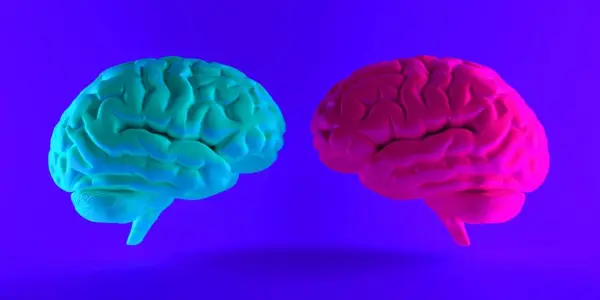
A new book sheds light on the vital connection between cultural influences and neurological well-being, challenging traditional medical perspectives.
In-depth analysis
Cultural events
Matthew Schelke's book, "Socially Wired: How Culture Shapes Our Brains," encourages a reexamination of cultural events as vital components of cognitive health. By highlighting activities like dancing and cooking, Schelke illustrates how engaging in these practices can enhance brain function and foster social connections, ultimately enriching both individual lives and community dynamics.
Impact on society
Schelke's insights challenge conventional medical paradigms, suggesting that cultural influences significantly affect neurological health. This perspective could reshape societal attitudes towards mental health, encouraging a more holistic approach that integrates lifestyle and cultural practices into treatment protocols.
Preserving heritage
The emphasis on culturally relevant activities in Schelke's work underscores the importance of preserving heritage as a means of enhancing cognitive function. Engaging with traditional practices not only fosters community bonds but also supports mental well-being, highlighting the need to maintain these cultural legacies for future generations.
Future outlook
The future of neurological treatment may hinge on integrating cultural practices into medical frameworks. Schelke's findings suggest a shift towards more personalized, culturally informed approaches, potentially transforming how cognitive disorders are managed and understood in society.
Did you know?
Why this is part of our identity
Cultural practices are not merely expressions of identity; they are fundamental to our neurological health. Schelke’s insights remind us that our social environments shape the way we think and feel, forging pathways in our brains that reflect collective experiences. This interconnectedness challenges us to reconsider how we value cultural engagement as essential to mental well-being, urging a holistic approach to health that encompasses both brain function and cultural context.
Unknown pages of culture
Did you know that the practice of storytelling has been shown to physically alter brain chemistry? Studies indicate that engaging in storytelling activates areas responsible for empathy and emotional understanding, highlighting the profound impact cultural narratives have on our neurological processes. This illustrates how deeply intertwined our cognitive health is with cultural expression.
The guardian of culture
Marcus, 34, from Chicago, has always found solace in the art of cooking. Growing up in a vibrant community, he learned traditional recipes from his grandmother, which became a means of connecting with his cultural heritage. After being diagnosed with anxiety, Marcus turned to his culinary passion not just for comfort, but as a tool for mental clarity. Each dish he prepares is a celebration of his roots, providing him with a sense of purpose and a way to nurture both his mind and spirit. His kitchen has transformed into a refuge, where the rhythms of chopping and simmering serve as a therapeutic ritual, reinforcing the powerful link between culture and mental health.
Expert Commentary
The Challenges Facing Progressive Politics: A...

Pixel 10 Users Experience Significant Wi-Fi and...

Innovative Monuments Designed by American...

Internet Archive Celebrates Milestone of One...
Palm Royale Returns for Season 2 on Apple TV+
Exploring the Cultural Richness of Zeyrek Çinili...

St. Louis, Saskatchewan, Unites to Restore...

The Concourse Project: A New Hub for Austin's...

BBC Leadership Responds to Allegations of...

Nomad Offers Premium Leather Cases for iPhone 17...

Surge in Tax Season Scams Amid Filing Confusion

Debate Emerges Over Potential Renaming of Kruger...
New UK Passports to Feature King's Coat of Arms...

Trump's Actions May Complicate Zohran Mamdani's...

DeepSeek Leadership Expresses Concerns Over AI's...

African Nations Urged to Forge Unique Democratic...

Brigitte Bardot Foundation Alerts Public to...

NTSB Report Indicates FAA Missed Opportunities to...

Panpuri Launches Its First Singapore Store at...
UK Launches New Clinical Trial for Puberty...

Discovery of Ancient Crocodile Relative in Egypt...

English Mayors Granted Authority to Implement...
Trump Proposes 'Permanent Pause' on Migration...

Government Confident in Resolving Concerns Over...
Exploring the Enchantment of Nollywood Cinema

Moltbook: A Social Media Platform for AI Agents...

Budget Insights: Expert Panel Evaluates Labour’s...
Populus Hotels in Seattle and Denver Redefine Art...

Harry Brook Incident Reflects Cultural Challenges...

Ancient Jordanian Site Sheds Light on a Lost...

The Challenge of Understanding an Inflated Economy

Sustainable Luxury Takes Center Stage at Miami...
Marjorie Taylor Greene's Early Departure from...

UK Establishes Annual Day of Remembrance for...

Lay's Unveils New Logo Celebrating Its...
Butlin's Holiday Incident Leads to Cancer...

AI Recipe Recommendations Raise Concerns for...

Significant Outage Disrupts Apple TV, Apple...

Scholars Challenge Common Beliefs About Vikings...