Pope's Encyclical on AI Sparks Potential for Religious Exemptions in the Workplace
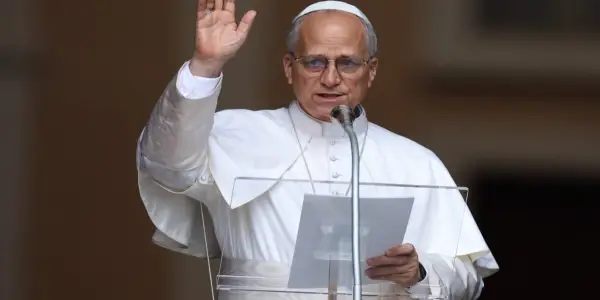
A North Carolina engineer has secured a religious exemption from using AI at work, following the Pope's recent encyclical on technology's impact on human dignity.
In-depth analysis
Cultural events
Pope Leo XIV's encyclical, 'Magnifica Humanitas,' reflects a significant cultural moment, as it intertwines technology and spirituality. This document addresses the ethical implications of AI, resonating with diverse religious communities and prompting discussions about the role of faith in modern workplaces. Such dialogues highlight the intersection of tradition and innovation in contemporary society.
Impact on society
The encyclical's influence extends beyond religious circles, prompting a reevaluation of AI's role in the workplace. As employees assert their beliefs against mandatory AI usage, societal norms around technology and personal convictions may shift, fostering a more inclusive dialogue on the intersection of faith and modern employment.
Preserving heritage
The Pope's concerns about AI's dehumanizing effects underscore a broader commitment to preserving human dignity and cultural heritage. By advocating for a cautious approach to technology, the encyclical encourages individuals and organizations to reflect on their values, ensuring that advancements do not compromise essential aspects of human identity and tradition.
Future outlook
As the dialogue around AI and religious beliefs evolves, future workplace policies may increasingly accommodate personal convictions. This trend could reshape organizational cultures, fostering environments where technology and spirituality coexist harmoniously, ultimately influencing how employees engage with both their work and their faith.
Did you know?
Why this is part of our identity
The intersection of technology and faith reflects a profound aspect of our identity: the struggle to maintain human values in an increasingly automated world. As AI becomes commonplace, the challenge lies in ensuring that our ethical frameworks adapt to safeguard essential human experiences. This dialogue between tradition and innovation could redefine how we perceive our roles in society.
Unknown pages of culture
In 1978, the Unitarian Universalist Association became one of the first religious organizations to officially support the rights of individuals to seek exemptions based on their beliefs regarding technology. This early advocacy laid the groundwork for contemporary discussions about religious accommodations in the face of rapid technological change.
The guardian of culture
Marcus, 34, from Chicago, has always viewed coding as a form of art. When he learned about the Pope’s encyclical, he felt a renewed sense of purpose. For him, programming is not just a job; it's a craft rooted in creativity and human connection. He recalls a moment of frustration when his company mandated the use of AI tools that stripped away his meticulous coding process. Inspired by the encyclical, he began advocating for exemptions at work, emphasizing that for him, coding is about preserving the human touch in technology.
Expert Commentary

Australian Teens Challenge Social Media Ban in...
Historian Rutger Bregman Critiques BBC's Editing...

The Most Notable Missteps in Star Trek...
Ancient Rock Art in Saudi Arabia Sheds Light on...

Brigitte Bardot Foundation Alerts Public to...

Saint Louis, Saskatchewan, Unites to Preserve...

The Role of AI in Shaping Thanksgiving Traditions...

Budget Insights: Expert Panel Evaluates Labour’s...

Xbox and Crocs Combine Gaming and Fashion with...

Ben & Jerry's Co-Founder Launches Independent Ice...

Eddie Jones Outlines Vision for Rugby's Future...
The Lavish Lives of Text Scammers: A Look into...

Government Confident in Resolving Concerns Over...

Google Enhances Arts & Culture App with AI...

St. Louis, Saskatchewan, Unites to Restore...

The Olive Harvest in Palestine: A Cultural and...

Lay's Unveils New Logo Celebrating Its...

Doja Cat Disavows Controversial Fortnite Post,...

Denmark's Prime Minister Calls for Action Against...

From K-Pop to K-Food: The Rise of Korean Cuisine...

BBC Leadership Responds to Allegations of...

Butlin's Holiday Incident Leads to Cancer...
The Rise of 'AI Slop': A Historical Perspective...

Exploring the Overlooked Challenges of Womanhood:...

Duke University Students Forge New Path in Luxury...

Xinjiang Sees Surge in Tourist Visits Amid...

Pixel 10 Users Experience Significant Wi-Fi and...
Leading UK Scientist Warns Visa Restrictions...

Google Leverages AI to Produce Television...

African Nations Urged to Forge Unique Democratic...

The Perils of Innovation: Eight Scientists Who...

Sustainable Luxury Takes Center Stage at Miami...

Divisions Emerge in the GOP Amid Epstein File...

Nomad Offers Premium Leather Cases for iPhone 17...

Panpuri Launches Its First Singapore Store at...

Oulu, Finland: A Rising Star as 2026 European...

Debate Emerges Over Potential Renaming of Kruger...
Debate Intensifies Over Russian Archaeologist's...
Populus Hotels in Seattle and Denver Redefine Art...

The Concourse Project: A New Hub for Austin's...