Research Reveals Task Specialization Among Naked Mole-Rats in Colonies
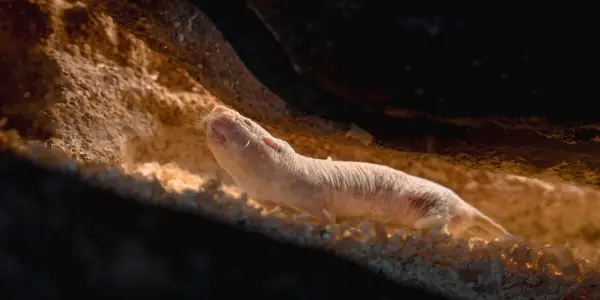
A recent study highlights the division of labor among naked mole-rats, indicating specific roles such as waste management and cleaning duties within their colonies.
In-depth analysis
Cultural events
Recent research on naked mole-rats has sparked significant interest in the scientific community, leading to conferences and seminars focused on eusocial behavior. These events aim to discuss the implications of role specialization within animal societies, fostering collaborations among biologists, ecologists, and behavioral scientists to further explore the intricacies of social structures in various species.
Impact on society
The study of naked mole-rats highlights the importance of cooperative behavior, offering insights into social organization that may influence human understanding of collaboration and community dynamics. This research could inspire new approaches to teamwork across various fields.
Preserving heritage
Understanding the social structures of species like naked mole-rats contributes to the preservation of biodiversity. By studying their unique eusocial behavior, researchers emphasize the need to protect their habitats, ensuring that future generations can learn from these fascinating creatures and their complex social systems.
Future outlook
The findings from the naked mole-rat study pave the way for future research aimed at manipulating environmental factors to observe behavioral shifts. This approach could deepen understanding of social dynamics and enhance conservation strategies for eusocial mammals.
Did you know?
Why this is part of our identity
The intricate social dynamics of naked mole-rats reflect a fundamental aspect of cooperation that resonates across species, including humans. Their division of labor highlights the value of collaboration and specialization, reminding us that successful communities thrive on the unique contributions of each member. Understanding these patterns not only enriches our knowledge of animal behavior but also invites reflection on our own societal structures.
Unknown pages of culture
Naked mole-rats can live for over 30 years, significantly longer than most rodents, due in part to their unique social structure. This longevity is believed to stem from reduced stress and increased support within their cooperative colonies, a remarkable trait in the animal kingdom.
The guardian of culture
Marcus, 34, from Chicago, has always been fascinated by social structures in nature. Growing up, he spent hours observing ants and bees, but it was the discovery of naked mole-rats that truly captivated him. The idea that these creatures could work together with such precision resonated deeply, mirroring his own experiences in community service. One day, while volunteering at a local shelter, he noticed how each person contributed their unique talents to create a supportive environment. Inspired by the mole-rats' teamwork, Marcus now advocates for cooperative projects in his neighborhood, believing that just like the colonies underground, humans thrive when they embrace their roles for a common good.

Internet Archive Celebrates Milestone of One...

The Challenge of Understanding an Inflated Economy

Ben & Jerry's Co-Founder Launches Independent Ice...

Launch of Prompt Decks Marks Milestone in AI...

The Resurgence of Retro Christmas Decor: A...

First Contestant Eliminated from Strictly Come...

Divisions Emerge in the GOP Amid Epstein File...

Exploring the Cultural Richness of Zeyrek Çinili...

Government Confident in Resolving Concerns Over...

NTSB Report Indicates FAA Missed Opportunities to...

Reviving Venetian Heritage: Antonia Sautter’s Il...

Amazon's Alexa Plus Launches in Canada with...

Doja Cat Disavows Controversial Fortnite Post,...

Trump and Hegseth's Militaristic Vision Takes...

The Rise of 'Silver Influencers' on TikTok and...

New UK Passports to Feature King's Coat of Arms...
Ancient Rock Art in Saudi Arabia Sheds Light on...

DeepSeek Leadership Expresses Concerns Over AI's...

The Most Notable Missteps in Star Trek...

King Charles Celebrates 77th Birthday with Public...

The Quest for Authentic Sound: Issues with the...

Xinjiang Sees Surge in Tourist Visits Amid...

Nomad Offers Premium Leather Cases for iPhone 17...

Sustainable Luxury Takes Center Stage at Miami...

Significant Outage Disrupts Apple TV, Apple...

The Role of AI in Shaping Thanksgiving Traditions...

African Nations Urged to Forge Unique Democratic...

Trump's Actions May Complicate Zohran Mamdani's...
Debate Intensifies Over Russian Archaeologist's...

Eddie Jones Outlines Vision for Rugby's Future...

DJI Mini 5 Pro Review: Enhanced Features with a...

Elon Musk's Struggle for Authenticity in a...

Google Leverages AI to Produce Television...

St. Louis, Saskatchewan, Unites to Restore...
Populus Hotels in Seattle and Denver Redefine Art...

Historian Rutger Bregman Critiques BBC's Editing...

Verizon Announces Layoffs Affecting Over 13,000...

Understanding the Nuances of Theft in Modern...

Butlin's Holiday Incident Leads to Cancer...

Leading UK Scientist Warns Visa Restrictions...