The Quest for Authentic Sound: Issues with the MOS Technologies SID Chip
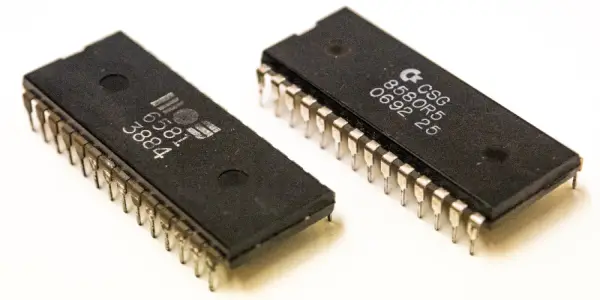
The MOS Technologies 6581, widely known as the SID chip, remains a cornerstone of chiptune music, yet recent reports indicate that some units may be out of tune, raising concerns among modern musicians.
In-depth analysis
Cultural events
The influence of the MOS Technologies 6581 SID chip is celebrated in various cultural events, particularly those focusing on retro gaming and electronic music. Festivals and conventions often feature chiptune performances, workshops, and discussions that highlight the chip's role in shaping the sound of early computing. These gatherings foster community engagement and promote appreciation for vintage technology.
Impact on society
The challenges faced by musicians using the SID chip reflect broader societal concerns about the reliability of vintage technology in a rapidly evolving digital landscape. As artists strive for authenticity, these issues resonate within the creative community, prompting discussions on the preservation of cultural artifacts.
Preserving heritage
Efforts to preserve the legacy of the SID chip are crucial for maintaining the cultural heritage of electronic music. Initiatives that focus on documenting the history, functionality, and artistic significance of the chip help ensure that future generations can appreciate its unique sound and the innovations it inspired in the music industry.
Future outlook
The future of the SID chip in music production hinges on addressing current technical challenges while maintaining its iconic sound. As interest in retro computing continues to grow, the industry faces opportunities to innovate while honoring the chip's legacy, potentially leading to new developments in sound synthesis and music creation.
Did you know?
Why this is part of our identity
The SID chip is more than just a piece of hardware; it embodies a unique cultural legacy that reflects the creativity and innovation of early digital music. This technology not only shaped the soundtracks of countless childhoods but also laid the groundwork for the resurgence of retro aesthetics in contemporary music. As musicians navigate the complexities of this legacy, they are simultaneously preserving and evolving a vital part of our sonic history.
Unknown pages of culture
The SID chip was not only used in the Commodore 64 but also made its way into the Atari ST and other devices, influencing a wide range of sound design beyond gaming. Its architecture, which allows for complex sound synthesis, has inspired modern synthesizers and continues to resonate in today’s electronic music genres.
The guardian of culture
Marcus, 34, from Chicago, has spent years crafting chiptune music that pays homage to the golden era of gaming. As a child, he was captivated by the sounds of the Commodore 64, which became the backdrop for countless hours spent exploring virtual worlds. When he discovered discrepancies in his SID chip's tuning, it felt like a personal betrayal. For Marcus, each note is a connection to his past, and he worries that these technical issues could dilute the authenticity of the sound he has dedicated his life to recreating. His passion drives him to advocate for the preservation of this technology, ensuring that its unique voice continues to inspire future generations of musicians.
Expert Commentary

Marjorie Taylor Greene's Early Departure from...

Divisions Emerge in the GOP Amid Epstein File...

Harry Brook Incident Reflects Cultural Challenges...

Duke University Students Forge New Path in Luxury...

Brigitte Bardot Foundation Alerts Public to...

The Personal is Political: An Examination of...

Navigating Challenges: The Current Landscape for...

Budget Insights: Expert Panel Evaluates Labour’s...

The Rise of 'AI Slop': A Historical Perspective...

Palm Royale Returns for Season 2 on Apple TV+

The Rise of 'Silver Influencers' on TikTok and...

Sustainable Luxury Takes Center Stage at Miami...

Authors Advocate Automatic Library Card...

NTSB Report Indicates FAA Missed Opportunities to...

Doja Cat Disavows Controversial Fortnite Post,...

Amazon's Alexa Plus Launches in Canada with...
Populus Hotels in Seattle and Denver Redefine Art...

Understanding the Nuances of Theft in Modern...

The Resurgence of Retro Christmas Decor: A...

African Nations Urged to Forge Unique Democratic...

Launch of Prompt Decks Marks Milestone in AI...

Scholars Challenge Common Beliefs About Vikings...

Butlin's Holiday Incident Leads to Cancer...

Garmin Venu 4 vs. Venu X1: Evaluating Features...

YouTube Access Issues Persist for Opera GX Users...

Panpuri Launches Its First Singapore Store at...

Trump and Hegseth's Militaristic Vision Takes...

Elon Musk's Struggle for Authenticity in a...

Exploring the Cultural Richness of Zeyrek Çinili...

Sol Refreshes Brand Identity with a Modern Twist

Exploring the Overlooked Challenges of Womanhood:...

English Mayors Granted Authority to Implement...

Trump's Actions May Complicate Zohran Mamdani's...

Debate Intensifies Over Russian Archaeologist's...

Ben & Jerry's Co-Founder Launches Independent Ice...

The Role of AI in Shaping Thanksgiving Traditions...

Surge in Tax Season Scams Amid Filing Confusion

Historian Rutger Bregman Critiques BBC's Editing...

Guillermo del Toro and Oscar Isaac Infuse...

Xinjiang Sees Surge in Tourist Visits Amid...