The Personal is Political: An Examination of Societal Change and Its Consequences

Historically, the feminist movement in the 1960s and 1970s aimed to transform domestic roles, asserting that personal experiences are inherently political. This shift has had lasting effects on American society and family structures.
In-depth analysis
Cultural events
The feminist movement's slogan, 'the personal is political,' catalyzed a series of cultural events in the latter half of the 20th century. Activists from various backgrounds converged to redefine societal norms, prompting discussions in public spaces like parks and restaurants. This activism not only restructured personal relationships but also influenced art, literature, and media representations of women's roles.
Impact on society
The shift in societal norms has led to rising divorce rates and family instability, as many women rejected traditional homemaker roles. This transformation has created a generation of young adults entering the workforce without essential social skills, highlighting the far-reaching consequences of changing family dynamics.
Preserving heritage
The mid-20th century witnessed vibrant community engagement through organizations that fostered civic life and family connections. As these ties weakened, efforts to preserve cultural heritage became increasingly important, emphasizing the need to maintain traditions that once unified neighborhoods and provided a sense of belonging.
Future outlook
As political engagement permeates educational systems, the challenge lies in fostering constructive dialogue among young people. Balancing personal identity with political beliefs will be crucial for rebuilding community cohesion and mitigating societal tensions in the years ahead.
Did you know?
Why this is part of our identity
The phrase 'the personal is political' has fundamentally reshaped American identity, intertwining private lives with public discourse. As women challenged their prescribed roles, they ignited broader conversations about autonomy and societal expectations. This evolution has not only redefined family dynamics but has also influenced how communities engage with pressing social issues, highlighting the ongoing struggle for equality and respect in every sphere of life.
Unknown pages of culture
In the 1960s, the feminist movement gave rise to informal consciousness-raising groups, where women gathered to share personal experiences, fostering a sense of solidarity. These grassroots meetings were vital in shaping political strategies and served as a precursor to today's organized activism, illustrating the power of shared narratives in effecting social change.
The guardian of culture
Marcus, 34, from Chicago, recalls his grandmother's stories of the feminist movement. As a young boy, he listened intently as she recounted her struggles and triumphs in a world that often silenced women. Inspired by her resilience, Marcus became a community organizer, aiming to honor her legacy by advocating for women's rights. Today, he leads workshops that empower young women to find their voices, ensuring that the lessons of the past continue to resonate in the present.
The Rise and Fall of a £1 Million Glastonbury...

Spotify Enhances Social Sharing with WhatsApp...

Panpuri Launches Its First Singapore Store at...
Marjorie Taylor Greene's Early Departure from...

BBC Leadership Responds to Allegations of...

Harry Brook Incident Reflects Cultural Challenges...
Italian Parliament Enacts Landmark Law Against...
Oulu, Finland: A Rising Star as 2026 European...
Exploring the Enchantment of Nollywood Cinema

The Challenge of Understanding an Inflated Economy


Charli XCX Moved to Tears by Collaboration with...

Budget Insights: Expert Panel Evaluates Labour’s...
Brigitte Bardot Foundation Alerts Public to...

Leading UK Scientist Warns Visa Restrictions...
Exploring the Overlooked Challenges of Womanhood:...

Pixel 10 Users Experience Significant Wi-Fi and...

Launch of Prompt Decks Marks Milestone in AI...

Discover Your Birth Animal Through a Unique Quiz

The Dual-Edged Sword of Android Gaming Handhelds:...

Understanding the Significance of Hunting in...
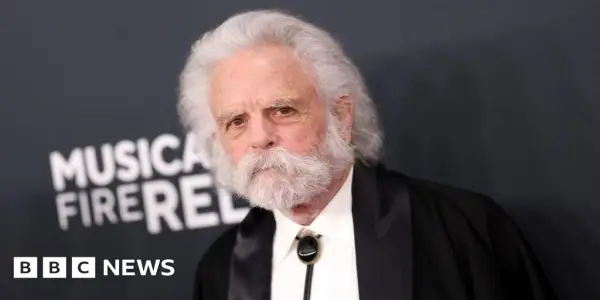
Bob Weir, Co-Founder of Grateful Dead, Passes...
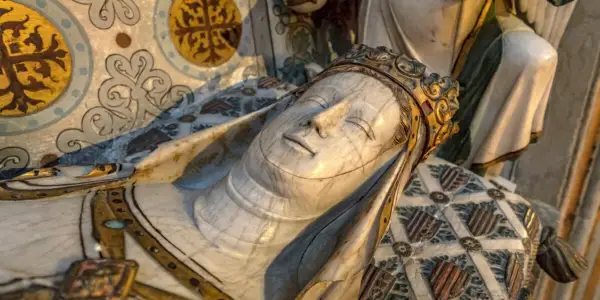
Excavation at 700-Year-Old Monastery Reveals...
The Pursuit of a Meaningful Life: Reflections...


The Concourse Project: A New Hub for Austin's...
Guillermo del Toro and Oscar Isaac Infuse...

The Social Media Dilemma: Why Many Women Keep...

The Dark Return of Social Media Horror in...

The Role of AI in Shaping Thanksgiving Traditions...
The Olive Harvest in Palestine: A Cultural and...

English Mayors Granted Authority to Implement...

YouTube Access Issues Persist for Opera GX Users...
Google Leverages AI to Produce Television...

Nomad Offers Premium Leather Cases for iPhone 17...

NTSB Report Indicates FAA Missed Opportunities to...

Exploring the Cultural Richness of Zeyrek Çinili...