Google Releases Android 17 Beta 4.1 to Address Pre-Launch Issues

Google's Android 17 Beta 4.1 update targets lingering issues ahead of its anticipated mid-2026 launch, focusing on device connectivity improvements.
In-depth analysis
Cultural events
The rollout of Beta 4.1 for Android 17 highlights a significant moment in the tech calendar, with developers and enthusiasts eagerly participating in the beta testing phase. This event fosters a collaborative environment where feedback can shape the future of the operating system, creating a vibrant community around technological innovation.
Impact on society
The enhancements in Android 17 reflect a broader trend towards improved connectivity, which is increasingly vital in today’s digital society. As users experience fewer technical disruptions, their engagement with technology becomes more seamless and productive.
Preserving heritage
Google's rigorous beta testing process serves to uphold a legacy of quality and reliability in software development. By valuing user feedback and addressing issues proactively, the company preserves its reputation as a leader in the competitive tech landscape, ensuring that previous innovations continue to inform future advancements.
Future outlook
As Android 17 approaches its full release, the ongoing beta updates indicate a commitment to continuous improvement. This proactive approach positions Google to adapt swiftly to market demands and user expectations, ensuring relevance in an ever-evolving technological landscape.
Did you know?
Why this is part of our identity
The evolution of Android reflects our collective desire for innovation in technology. Each beta release resonates with our expectations for seamless connectivity and enhanced functionality. As users engage in this iterative process, they become co-creators in shaping the digital landscape, defining how we interact with our devices and with each other in an increasingly interconnected world.
Unknown pages of culture
In 2008, Android became the first major operating system to adopt an open-source model, allowing developers worldwide to contribute to its growth. This collaborative approach has led to the creation of over 3 million apps, emphasizing the power of community in technological advancement.
The guardian of culture
Marcus, 34, from Chicago, recalls the frustration of losing Bluetooth connections while commuting. A software developer himself, he eagerly joined the Android beta program to help refine the system. For him, every bug fix feels personal—each improvement brings him closer to a seamless connection with his devices, shaping not just his daily routine but fostering a sense of belonging in the tech community. His excitement for Android 17 isn’t just about new features; it’s about being part of a collaborative journey that enhances everyone’s experience.
Expert Commentary

Discovery of Ancient Crocodile Relative in Egypt...

Oulu, Finland: A Rising Star as 2026 European...

Surge in Tax Season Scams Amid Filing Confusion

AI-Generated Image Sparks Alarm at Texas High...

Meta Faces Leadership Shakeup Amid AI Strategy...

Understanding the Significance of Hunting in...

The Rise of 'Silver Influencers' on TikTok and...

Launch of Prompt Decks Marks Milestone in AI...

St. Louis, Saskatchewan, Unites to Restore...

The Dual-Edged Sword of Android Gaming Handhelds:...

The Rise and Fall of a £1 Million Glastonbury...

NTSB Report Indicates FAA Missed Opportunities to...
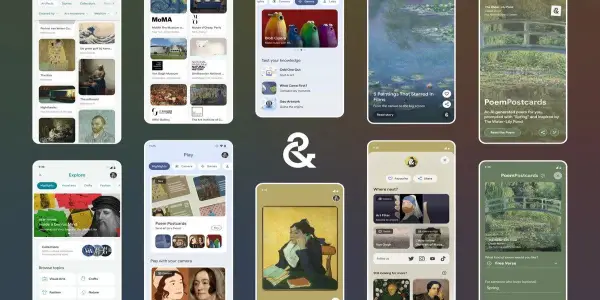
Google Enhances Arts & Culture App with AI...


Government Confident in Resolving Concerns Over...
Populus Hotels in Seattle and Denver Redefine Art...


UK Establishes Annual Day of Remembrance for...

Internet Archive Celebrates Milestone of One...

African Nations Urged to Forge Unique Democratic...

MPs to Interrogate Key BBC Figures Amid Ongoing...

The Most Notable Missteps in Star Trek...

Meta Launches Trade-In Initiative for Ray-Ban and...


YouTube Access Issues Persist for Opera GX Users...

The Optimal Timing for Cold Plunges: Before or...

Authors Advocate Automatic Library Card...



Palantir's CEO Defends Company Growth Amid...

English Mayors Granted Authority to Implement...

Moltbook: A Social Media Platform for AI Agents...

Excavation at 700-Year-Old Monastery Reveals...

The Decline of Sexual Activity Among Young...

The Personal is Political: An Examination of...

Nomad Offers Premium Leather Cases for iPhone 17...

Exploring the Overlooked Challenges of Womanhood:...

Elon Musk's Struggle for Authenticity in a...

The Rise of 'AI Slop': A Historical Perspective...

Spotify Enhances Social Sharing with WhatsApp...