Expanded Funding for Cladding Removal to Include More Buildings
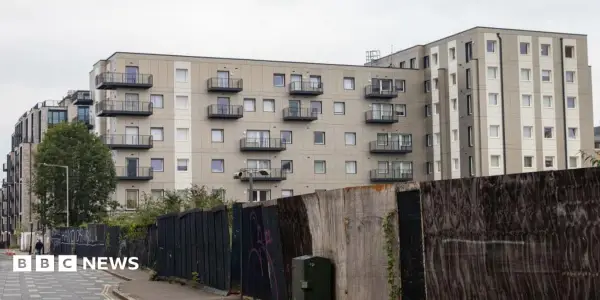
New government funding will assist lower-rise buildings in removing dangerous cladding, addressing safety concerns for leaseholders.
In-depth analysis
Cultural events
The UK government’s new funding initiative for cladding removal has sparked discussions within the cultural landscape, as communities come together to address safety in housing. Events focusing on building safety awareness and remembrance of past tragedies, such as the Grenfell fire, are being organized, emphasizing the importance of collective action and community support in advocating for safer living environments.
Impact on society
This policy shift represents a significant change in the societal approach to housing safety, particularly for leaseholders in smaller buildings. By broadening funding eligibility, the government aims to alleviate financial burdens and enhance overall community safety.
Preserving heritage
As the UK addresses modern safety concerns, there is a delicate balance between remediation efforts and the preservation of historical buildings. Ensuring that renovations comply with safety standards while respecting architectural heritage is crucial for maintaining the character of communities, reflecting a commitment to both safety and cultural identity.
Future outlook
Looking ahead, the government's initiative signals a proactive stance on building safety, potentially influencing future housing policies. Continued engagement with stakeholders and the community will be vital in shaping effective strategies that prioritize both safety and affordability.
Did you know?
Why this is part of our identity
The UK’s commitment to safety in housing reveals a collective responsibility toward community well-being. This policy shift not only addresses a historical oversight but also reshapes societal values regarding building safety. By broadening funding eligibility, the government recognizes that every resident deserves a secure home, regardless of building height, and reflects a proactive stance against the tragedies of the past.
Unknown pages of culture
In the aftermath of the Grenfell fire, a little-known fact emerged: nearly half of the high-rise buildings in London were constructed using similar flammable cladding. This shocking revelation spurred a nationwide outcry for reform and led to increased scrutiny of building materials used across various structures.
The guardian of culture
Marcus, 34, from Chicago, moved to London a year after the Grenfell tragedy. Living in a mid-rise building, he felt a deep sense of unease about the safety of his home. When he learned about the government’s new funding initiative, he felt a weight lift off his shoulders. For Marcus, this wasn't just about financial relief; it was about the assurance that his life and the lives of his neighbors mattered. He often recalls how the tragedy galvanized a community, and he now volunteers with local advocacy groups, ensuring that no one feels unheard in their quest for safety.
Expert Commentary

The Rise and Fall of a £1 Million Glastonbury...

Spotify Enhances Social Sharing with WhatsApp...

Panpuri Launches Its First Singapore Store at...
Marjorie Taylor Greene's Early Departure from...
BBC Leadership Responds to Allegations of...

Harry Brook Incident Reflects Cultural Challenges...

Italian Parliament Enacts Landmark Law Against...
Oulu, Finland: A Rising Star as 2026 European...

Exploring the Enchantment of Nollywood Cinema

The Challenge of Understanding an Inflated Economy



Charli XCX Moved to Tears by Collaboration with...

Budget Insights: Expert Panel Evaluates Labour’s...

Brigitte Bardot Foundation Alerts Public to...

Leading UK Scientist Warns Visa Restrictions...
Exploring the Overlooked Challenges of Womanhood:...


Pixel 10 Users Experience Significant Wi-Fi and...
Launch of Prompt Decks Marks Milestone in AI...


Discover Your Birth Animal Through a Unique Quiz

The Dual-Edged Sword of Android Gaming Handhelds:...

Understanding the Significance of Hunting in...
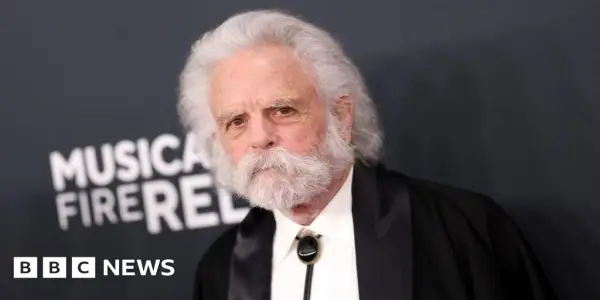
Bob Weir, Co-Founder of Grateful Dead, Passes...

Excavation at 700-Year-Old Monastery Reveals...

The Pursuit of a Meaningful Life: Reflections...


The Concourse Project: A New Hub for Austin's...
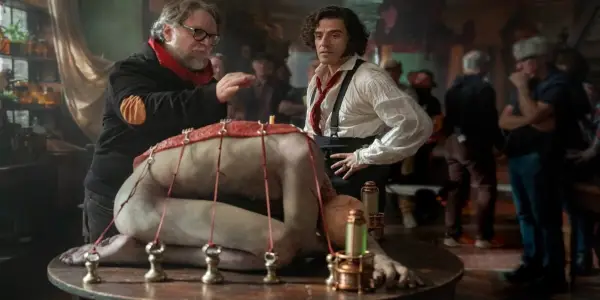
Guillermo del Toro and Oscar Isaac Infuse...

The Social Media Dilemma: Why Many Women Keep...

The Dark Return of Social Media Horror in...

The Role of AI in Shaping Thanksgiving Traditions...

The Olive Harvest in Palestine: A Cultural and...
English Mayors Granted Authority to Implement...

YouTube Access Issues Persist for Opera GX Users...

Google Leverages AI to Produce Television...

Nomad Offers Premium Leather Cases for iPhone 17...

NTSB Report Indicates FAA Missed Opportunities to...

Exploring the Cultural Richness of Zeyrek Çinili...