Historian Rutger Bregman Critiques BBC's Editing of Trump Reference in Reith Lecture
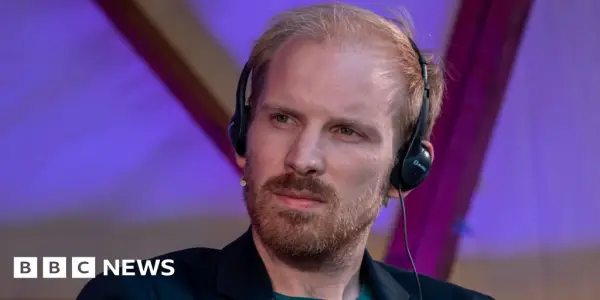
Bregman expresses disappointment over the BBC's decision to omit a comment about the former U.S. president from his lecture, citing concerns over self-censorship.
In-depth analysis
Cultural events
Rutger Bregman's Reith Lectures, titled 'Moral Revolution,' promise to engage audiences with critical examinations of morality and leadership. Following the controversial edit of his lecture on Donald Trump, the series continues to attract attention, featuring Bregman's reflections on societal elites. Upcoming broadcasts will further delve into themes of accountability and ethical leadership.
Impact on society
The BBC's decision to edit Bregman's lecture underscores a growing concern regarding media self-censorship. This incident highlights the challenges of fostering open dialogue in journalism, particularly when addressing powerful figures in society.
Preserving heritage
Bregman's lecture series is part of a long-standing tradition of the Reith Lectures, which aim to provoke thought and discussion on pressing societal issues. Maintaining the integrity of such platforms is crucial for preserving the cultural legacy of public broadcasting and ensuring diverse perspectives are represented.
Future outlook
As Bregman's series progresses, the ongoing debate about editorial independence in media is likely to intensify. The incident may prompt a reevaluation of how public broadcasters balance legal concerns with the imperative for candid discourse on critical issues.
Did you know?
Why this is part of our identity
The editing of Bregman's lecture reflects a tension in media identity: the need for freedom of expression versus the pressures of political and legal accountability. This incident underscores how critical discourse can be stifled, challenging our collective commitment to transparency and integrity in journalism. How society navigates these complexities will shape the narrative of our times.
Unknown pages of culture
In the 1970s, the BBC faced a significant scandal involving the editing of a documentary about the British monarchy. This led to public outcry and a reevaluation of the BBC's editorial policies, highlighting a long-standing struggle between state influence and journalistic independence.
The guardian of culture
Marcus, 34, from Chicago, recalls the impact of a similar controversy during his college years. As an aspiring journalist, he watched in disbelief as a renowned documentary was altered to omit critiques of powerful political figures. He felt a personal connection to the material and saw it as a betrayal of truth. Years later, Marcus now advocates for transparency in media, believing that the fight for honest representation is vital to preserving cultural integrity. His commitment to ethical journalism stems from that pivotal moment, fueling his resolve to ensure that voices are not silenced.

Spotify Enhances Social Sharing with WhatsApp...

Authors Advocate Automatic Library Card...

Sustainable Luxury Takes Center Stage at Miami...

The Resurgence of Retro Christmas Decor: A...
The Pursuit of a Meaningful Life: Reflections...

The Olive Harvest in Palestine: A Cultural and...
Excavation at 700-Year-Old Monastery Reveals...

The Concourse Project: A New Hub for Austin's...


Panpuri Launches Its First Singapore Store at...

The Dark Return of Social Media Horror in...

Moltbook: A Social Media Platform for AI Agents...

Meta Faces Leadership Shakeup Amid AI Strategy...

The Role of AI in Shaping Thanksgiving Traditions...

Xinjiang Sees Surge in Tourist Visits Amid...

Brigitte Bardot Foundation Alerts Public to...

Google Enhances Arts & Culture App with AI...
Guillermo del Toro and Oscar Isaac Infuse...

NTSB Report Indicates FAA Missed Opportunities to...

DeepSeek Leadership Expresses Concerns Over AI's...
African Nations Urged to Forge Unique Democratic...

Launch of Prompt Decks Marks Milestone in AI...
The Challenges Facing Progressive Politics: A...

The Personal is Political: An Examination of...

The Rise and Fall of a £1 Million Glastonbury...

Australian Authorities Address Growing Threat of...

Surge in Tax Season Scams Amid Filing Confusion

AI-Generated Image Sparks Alarm at Texas High...

The Challenge of Understanding an Inflated Economy

Heritage Foundation President Issues Apology...

Pixel 10 Users Experience Significant Wi-Fi and...


Discover Your Birth Animal Through a Unique Quiz

Discovery of Ancient Crocodile Relative in Egypt...

Duke University Students Forge New Path in Luxury...

Emerging Nigerian Designers Showcase Cultural...

AI Recipe Recommendations Raise Concerns for...

Ben & Jerry's Co-Founder Launches Independent Ice...

Eddie Jones Outlines Vision for Rugby's Future...