Ancient City of Sardis Achieves UNESCO World Heritage Status After Decades of Excavation
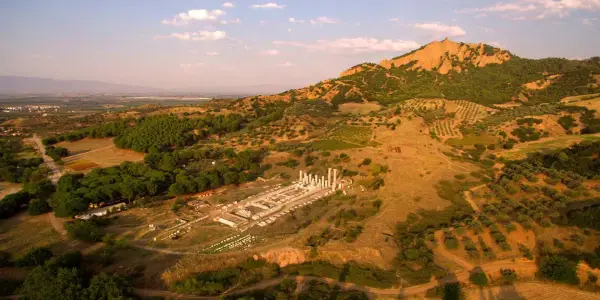
The ancient city of Sardis in Turkey has been designated a UNESCO World Heritage site, marking a significant milestone in archaeological research spanning over 70 years.
In-depth analysis
Cultural events
The recognition of Sardis as a UNESCO World Heritage site has sparked a renewed interest in the city's rich history, prompting various cultural events aimed at celebrating its archaeological significance. Local institutions and universities are organizing exhibitions, lectures, and guided tours that highlight Sardis's diverse cultural influences, fostering a deeper appreciation for its heritage among residents and visitors alike.
Impact on society
The UNESCO designation is poised to positively influence local communities by enhancing awareness of Sardis's historical importance, potentially leading to increased tourism and economic growth. This heightened visibility may foster a sense of pride and identity among residents.
Preserving heritage
Efforts to preserve Sardis's heritage are ongoing, with a focus on responsible excavation and reconstruction. The collaboration between Harvard, Cornell, and local researchers emphasizes the importance of safeguarding artifacts and structures, ensuring that the site remains a valuable resource for future generations and a testament to the region's historical significance.
Future outlook
Looking ahead, the excavation team remains optimistic about uncovering further historical insights at Sardis. Continued support and funding will be crucial in addressing challenges like erosion and development, ensuring that the site can reveal its ancient narratives for years to come.
Did you know?
Why this is part of our identity
The recognition of Sardis as a UNESCO World Heritage site is not just an acknowledgment of its archaeological significance; it's a celebration of our shared human history. This ancient city embodies the complexities of cultural exchange, reminding us that our identities are often shaped by interconnected narratives. As we unearth these layers, we gain insights into the resilience and creativity of past civilizations, which continue to influence our modern world.
Unknown pages of culture
Sardis was the capital of Lydia, known for its legendary king Croesus, who is often associated with the expression 'rich as Croesus.' However, the region was also an early adopter of coinage, believed to be the birthplace of the first true coins made from electrum, a naturally occurring alloy of gold and silver.
The guardian of culture
Marcus, 34, from Chicago, grew up listening to his grandmother's stories of a distant land where the gods once walked among men. When he learned about the archaeological efforts at Sardis, he felt a profound connection to the ancient city. Inspired by the discovery of a small bronze coin, he traveled to Turkey, imagining the hands that once held it. As he walked through the ruins, Marcus understood that these artifacts aren't merely relics; they are threads of a larger tapestry connecting generations, fueling his passion for preserving history for future explorers.
Expert Commentary

Budget Insights: Expert Panel Evaluates Labour’s...

Harry Brook Incident Reflects Cultural Challenges...

Trump's Actions May Complicate Zohran Mamdani's...

DeepSeek Leadership Expresses Concerns Over AI's...

African Nations Urged to Forge Unique Democratic...

La Marzocco Revives 'Out of the Box' Coffee...


Nomad Offers Premium Leather Cases for iPhone 17...

The Most Notable Missteps in Star Trek...
Heritage Foundation President Issues Apology...

Authors Advocate Automatic Library Card...

AI Recipe Recommendations Raise Concerns for...
Bob Weir, Co-Founder of Grateful Dead, Passes...

Eddie Jones Outlines Vision for Rugby's Future...

Launch of Prompt Decks Marks Milestone in AI...

Exploring the Cultural Richness of Zeyrek Çinili...

Understanding the Nuances of Theft in Modern...

Charli XCX Moved to Tears by Collaboration with...

The Lavish Lives of Text Scammers: A Look into...

The Rise of 'Silver Influencers' on TikTok and...
Guillermo del Toro and Oscar Isaac Infuse...
Excavation at 700-Year-Old Monastery Reveals...

Google Enhances Arts & Culture App with AI...

Government Confident in Resolving Concerns Over...

The Optimal Timing for Cold Plunges: Before or...
Record-Breaking Sale of Original Superman Comic...


MPs to Interrogate Key BBC Figures Amid Ongoing...

Emerging Nigerian Designers Showcase Cultural...

English Mayors Granted Authority to Implement...

Amazon's Alexa Plus Launches in Canada with...

Duke University Students Forge New Path in Luxury...

Palm Royale Returns for Season 2 on Apple TV+

AI-Generated Image Sparks Alarm at Texas High...

Italian Parliament Enacts Landmark Law Against...

From K-Pop to K-Food: The Rise of Korean Cuisine...

The Perils of Innovation: Eight Scientists Who...

Meta Faces Leadership Shakeup Amid AI Strategy...

The Social Media Dilemma: Why Many Women Keep...