Judges Downplay Trump's Social Media Statements in Appeals Court Ruling
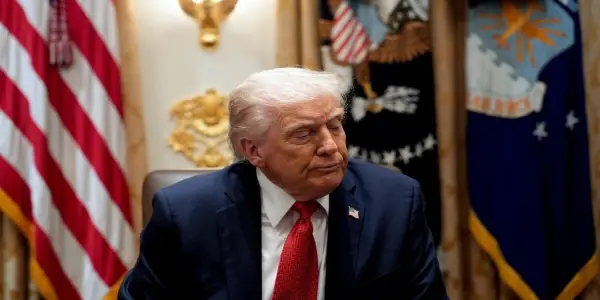
In a recent ruling, two judges from the Ninth Circuit Court of Appeals emphasized that President Trump's social media posts should not be taken too seriously, reflecting a broader trend among pro-Trump officials.
In-depth analysis
Cultural events
The Ninth Circuit Court's ruling has ignited discussions within legal and cultural circles, prompting various forums and debates on the role of social media in politics. Events focusing on the intersection of technology, governance, and public discourse are emerging, as scholars and practitioners analyze the implications of Trump's social media presence on contemporary judicial practices.
Impact on society
This ruling may significantly influence public perception of social media's legitimacy in legal contexts, potentially altering how citizens engage with political discourse online. It raises critical questions about accountability and the standards applied to public figures' statements.
Preserving heritage
The decision underscores a growing concern among legal experts regarding the preservation of factual integrity in judicial processes. As social media becomes a dominant communication tool, maintaining a clear distinction between opinion and fact is crucial to uphold the integrity of legal proceedings and public trust.
Future outlook
The ruling could pave the way for a re-evaluation of how courts interpret statements made by public officials, especially in an era where social media is ubiquitous. Future cases may increasingly reflect this shift, influencing both legal standards and societal norms.
Did you know?
Why this is part of our identity
This ruling highlights a critical moment in American legal culture, where the integrity of judicial processes is weighed against the often volatile nature of political rhetoric. As social media transforms public discourse, the judiciary faces challenges in maintaining impartiality. This tension reflects deeper societal questions about truth, influence, and accountability in leadership, shaping not just legal outcomes, but our collective democratic values.
Unknown pages of culture
In 2020, a survey revealed that 70% of Americans believe that social media posts should not be admissible as evidence in court. This statistic underscores a growing skepticism about the reliability of online statements, especially from public figures, and highlights the complexities of integrating digital communication into legal frameworks.
The guardian of culture
Marcus, 34, from Chicago, recalls a moment during the 2020 protests when he felt compelled to take action. As he watched the news, he saw a tweet from Trump labeling the protests as 'violent riots.' Struck by the disconnect between reality and the portrayal, Marcus joined a local group advocating for peaceful dialogue. His experience ignited a passion for civic engagement, reminding him that the narratives we share shape public perception and the very fabric of community. For Marcus, the court's ruling resonates deeply; it affirms a need for a balanced discourse where truth prevails over rhetoric, reinforcing his commitment to fostering understanding in his neighborhood.

Google Enhances Arts & Culture App with AI...

English Mayors Granted Authority to Implement...
Divisions Emerge in the GOP Amid Epstein File...

The Rise and Fall of a £1 Million Glastonbury...

The Personal is Political: An Examination of...
Spotify Enhances Social Sharing with WhatsApp...
BBC Leadership Responds to Allegations of...
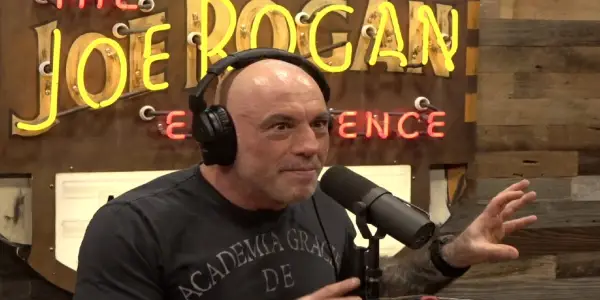
Joe Rogan Misquotes Fake Trump Tweet Regarding No...

Butlin's Holiday Incident Leads to Cancer...

Key Considerations for Retirees Weighing a Move...

Innovative Monuments Designed by American...

Nomad Offers Premium Leather Cases for iPhone 17...

Late-Night Eating Linked to Worsening Digestive...

The Decline of Sexual Activity Among Young...
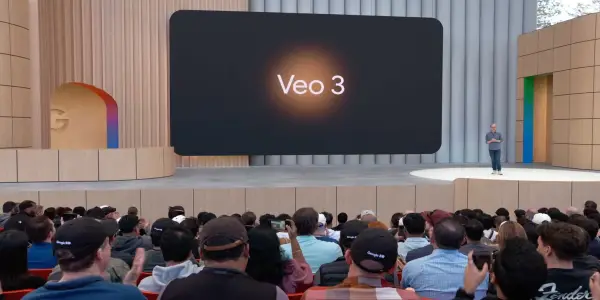
Google Leverages AI to Produce Television...

Authors Advocate Automatic Library Card...

Budget Insights: Expert Panel Evaluates Labour’s...
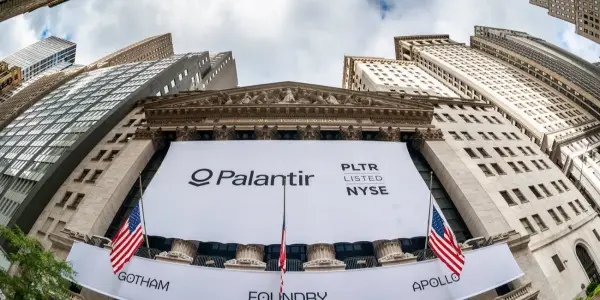
Palantir's CEO Defends Company Growth Amid...
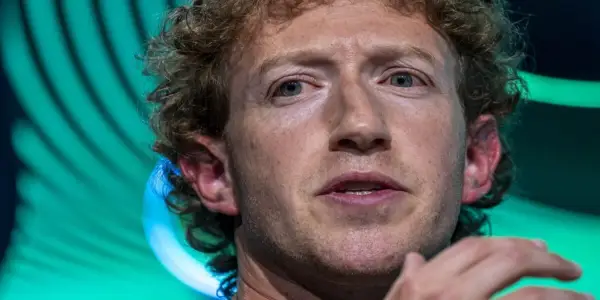
Meta Faces Leadership Shakeup Amid AI Strategy...
Understanding the Nuances of Theft in Modern...

Reviving Venetian Heritage: Antonia Sautter’s Il...
Google Halts Android 16 QPR3 Beta 3 Update...

Xbox and Crocs Combine Gaming and Fashion with...
Marjorie Taylor Greene's Early Departure from...

Verizon Announces Layoffs Affecting Over 13,000...

Ancient Jordanian Site Sheds Light on a Lost...
La Marzocco Revives 'Out of the Box' Coffee...

YouTube Access Issues Persist for Opera GX Users...

AI Recipe Recommendations Raise Concerns for...

Duke University Students Forge New Path in Luxury...
Exploring the Overlooked Challenges of Womanhood:...
Sustainable Luxury Takes Center Stage at Miami...
Bob Weir, Co-Founder of Grateful Dead, Passes...

Discover Your Birth Animal Through a Unique Quiz

AI-Generated Image Sparks Alarm at Texas High...
Dr. Oz Introduces 'Underbabied' in Discussion on...

The Social Media Dilemma: Why Many Women Keep...
Heritage Foundation President Issues Apology...
MPs to Interrogate Key BBC Figures Amid Ongoing...