German Company Behind Lift Used in Louvre Heist Gains Viral Attention
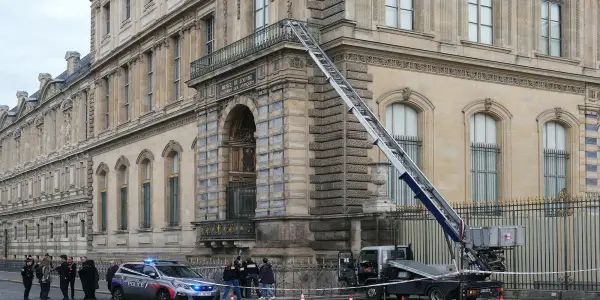
Boecker's AgiLo furniture lift, involved in a high-profile jewel heist at the Louvre Museum, has sparked widespread interest following the company's humorous social media post.
In-depth analysis
Cultural events
The audacious jewel heist at the Louvre Museum has sparked widespread public interest, transforming the theft into a cultural event that captivated audiences worldwide. As news of the incident circulated, it prompted discussions about art, security, and the value of cultural heritage, highlighting the intersection between crime and cultural institutions.
Impact on society
This high-profile theft has raised awareness about security vulnerabilities in major cultural institutions, prompting both public concern and calls for enhanced protective measures. The incident serves as a stark reminder of the ongoing challenges faced by museums in safeguarding their collections.
Preserving heritage
The Louvre heist underscores the critical need for robust security systems to protect invaluable cultural artifacts. As institutions grapple with the implications of such crimes, the focus on preserving heritage intensifies, prompting museums to reevaluate their security protocols and community engagement strategies.
Future outlook
In the aftermath of the heist, museums may increasingly adopt advanced security technologies to prevent future incidents. This shift could lead to a more proactive approach in safeguarding cultural treasures while fostering a heightened dialogue about the balance between accessibility and security.
Did you know?
Why this is part of our identity
The jewel heist at the Louvre underscores a complex narrative about cultural heritage and its vulnerabilities. Museums stand as symbols of shared history, yet they also attract criminal intent. This incident forces society to reckon with the fragility of art preservation and the ethical responsibilities of those who protect these treasures, highlighting a collective identity intertwined with both admiration and anxiety.
Unknown pages of culture
Interestingly, the Louvre itself has a history of theft that dates back to the French Revolution when the museum was looted. Some notable pieces were returned, but many remain unaccounted for, illustrating the ongoing struggle between cultural preservation and criminal activity throughout history.
The guardian of culture
Marcus, 34, from Chicago, has always felt a deep connection to art. As a child, he spent weekends exploring museums, captivated by the stories behind each piece. When he learned about the Louvre heist, he felt a personal loss, as if a part of his cherished memories had been threatened. He immediately thought of the artists who poured their souls into their work, now at risk of being overshadowed by the criminality of others. This incident ignited a passion within him to advocate for stronger protections of cultural artifacts, believing that art belongs to everyone, and should be safeguarded against those who would exploit it.


Spotify Enhances Social Sharing with WhatsApp...

The Gathering Spot's $30 Million Growth: A New...

Ancient Jordanian Site Sheds Light on a Lost...

Trump's Actions May Complicate Zohran Mamdani's...

Record-Breaking Sale of Original Superman Comic...

Joe Rogan Misquotes Fake Trump Tweet Regarding No...
Excavation at 700-Year-Old Monastery Reveals...

Harry Brook Incident Reflects Cultural Challenges...

Divisions Emerge in the GOP Amid Epstein File...

Exploring the Overlooked Challenges of Womanhood:...

Saint Louis, Saskatchewan, Unites to Preserve...
Debate Intensifies Over Russian Archaeologist's...

The Social Media Dilemma: Why Many Women Keep...

The Challenges Facing Progressive Politics: A...



Oulu, Finland: A Rising Star as 2026 European...

Budget Insights: Expert Panel Evaluates Labour’s...

AI Recipe Recommendations Raise Concerns for...

Australian Authorities Address Growing Threat of...

Pixel 10 Users Experience Significant Wi-Fi and...

Elon Musk's Struggle for Authenticity in a...

Teachers Face Online Harassment Following...

UK Establishes Annual Day of Remembrance for...

Discovery of Ancient Crocodile Relative in Egypt...

The Concourse Project: A New Hub for Austin's...

The Rise and Fall of a £1 Million Glastonbury...
The Perils of Innovation: Eight Scientists Who...
Reviving Venetian Heritage: Antonia Sautter’s Il...

The Personal is Political: An Examination of...

YouTube Access Issues Persist for Opera GX Users...

DeepSeek Leadership Expresses Concerns Over AI's...

Marjorie Taylor Greene's Early Departure from...

Brigitte Bardot Foundation Alerts Public to...

Charli XCX Moved to Tears by Collaboration with...

Verizon Announces Layoffs Affecting Over 13,000...

St. Louis, Saskatchewan, Unites to Restore...
Guillermo del Toro and Oscar Isaac Infuse...

English Mayors Granted Authority to Implement...