Ancient Jordanian Site Sheds Light on a Lost Civilization's Ritual Practices
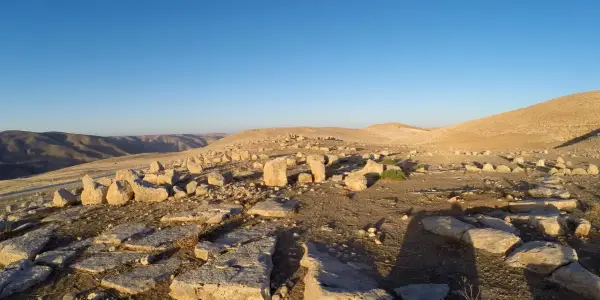
Excavations at the 5,500-year-old Murayghat site in Jordan reveal significant shifts in community and ritual practices following the decline of the Chalcolithic culture around 3500 BCE.
In-depth analysis
Cultural events
The archaeological discoveries at Murayghat illuminate the vibrant cultural events that characterized the Early Bronze Age in Jordan. Researchers emphasize the emergence of communal rituals, as evidenced by the presence of megalithic structures and clusters of standing stones, which served as focal points for gatherings, feasting, and spiritual practices among diverse groups.
Impact on society
The findings from Murayghat demonstrate a significant transformation in societal structures following the Chalcolithic collapse. Communities shifted towards collective identities, fostering new social roles through communal rituals and shared spaces, which redefined their interactions and relationships.
Preserving heritage
The excavation at Murayghat plays a crucial role in preserving cultural heritage by revealing the complexities of early human societies. The identified dolmen structures and artifacts not only highlight the architectural ingenuity of the time but also serve as vital links to understanding the rituals and social dynamics that shaped these ancient communities.
Future outlook
As research continues at Murayghat, the potential for further discoveries remains promising. Ongoing excavations may yield additional insights into how early societies adapted to environmental changes, enriching the narrative of human resilience and cultural evolution in the region.
Did you know?
Why this is part of our identity
The transformations observed at Murayghat remind us that identity evolves through collective experiences, especially in times of crisis. As communities adapt to change, they redefine their cultural expressions and social structures. This resilience is not just an ancient phenomenon; it resonates today as societies grapple with modern disruptions, highlighting a timeless human capacity for reinvention and unity.
Unknown pages of culture
In the Early Bronze Age, communal rituals often involved elaborate feasting practices, which were not only social events but also pivotal in solidifying community ties. Archaeological findings indicate that such gatherings could include offerings to ancestors, reflecting a complex belief system that intertwined spirituality with everyday life.
The guardian of culture
Marcus, 34, from Chicago, has always felt a deep connection to his family's history, particularly through the stories his grandmother shared about their ancestral land. When he learned about the communal practices at Murayghat, he was struck by the parallels to his own heritage. Inspired, he began organizing community events to celebrate and preserve local traditions, hoping to foster connections just like those ancient societies did. For Marcus, it’s not just about remembering the past; it’s about creating a vibrant cultural legacy for future generations.
Excavation at 700-Year-Old Monastery Reveals...

Reviving Venetian Heritage: Antonia Sautter’s Il...

Bob Weir, Co-Founder of Grateful Dead, Passes...

Authors Advocate Automatic Library Card...
Test Your Knowledge: Complete These Iconic Quotes

English Mayors Granted Authority to Implement...

Italian Parliament Enacts Landmark Law Against...

Exploring the Overlooked Challenges of Womanhood:...


Chuck Lorre's Influence on Teenage Mutant Ninja...

Launch of Prompt Decks Marks Milestone in AI...

The Gathering Spot's $30 Million Growth: A New...
Debate Intensifies Over Russian Archaeologist's...

Understanding the Nuances of Theft in Modern...

The Decline of Sexual Activity Among Young...

The Most Notable Missteps in Star Trek...

The Resurgence of Retro Christmas Decor: A...

NTSB Report Indicates FAA Missed Opportunities to...

Meta Faces Leadership Shakeup Amid AI Strategy...

Joe Rogan Misquotes Fake Trump Tweet Regarding No...

Exploring the Enchantment of Nollywood Cinema

Meta Launches Trade-In Initiative for Ray-Ban and...

Late-Night Eating Linked to Worsening Digestive...

Marjorie Taylor Greene's Early Departure from...

Spotify Enhances Social Sharing with WhatsApp...

Pixel 10 Users Experience Significant Wi-Fi and...

Discover Your Birth Animal Through a Unique Quiz

Surge in Tax Season Scams Amid Filing Confusion

Google Enhances Arts & Culture App with AI...

The Concourse Project: A New Hub for Austin's...

Palantir's CEO Defends Company Growth Amid...

Brigitte Bardot Foundation Alerts Public to...

Trump's Actions May Complicate Zohran Mamdani's...

Eddie Jones Outlines Vision for Rugby's Future...

Emerging Nigerian Designers Showcase Cultural...

Ancient Jordanian Site Sheds Light on a Lost...

YouTube Access Issues Persist for Opera GX Users...

MPs to Interrogate Key BBC Figures Amid Ongoing...

Sustainable Luxury Takes Center Stage at Miami...