Paralympic Swimmer Jess Smith Highlights AI's Challenges in Representation

Jess Smith, a former Australian Paralympic swimmer, emphasizes the importance of inclusion in AI technology after her experience with an image generator that initially failed to accurately depict her disability.
In-depth analysis
Cultural events
Jess Smith's recent experience with an AI image generator highlights the intersection of technology and personal narratives, prompting discussions at various cultural events. These gatherings increasingly focus on representation in technology, showcasing how advancements can influence societal perceptions of disability. Artists, technologists, and advocates convene to explore inclusive practices, ensuring diverse voices are heard and celebrated.
Impact on society
The challenges faced by individuals like Jess Smith reveal significant societal implications regarding inclusivity in technology. As AI systems evolve, their ability to accurately represent diverse identities can foster greater acceptance and understanding, ultimately reshaping perceptions of disability and promoting equality.
Preserving heritage
Efforts to enhance AI representation can serve as a means of preserving the heritage of marginalized communities. By incorporating diverse experiences into technological frameworks, society can ensure that the narratives of individuals with disabilities are not only acknowledged but also celebrated, fostering a richer cultural tapestry.
Future outlook
Looking ahead, the ongoing evolution of AI presents a unique opportunity to improve inclusivity in technology. As developers prioritize diverse representation in their training data, future advancements may lead to more accurate portrayals of individuals, ultimately contributing to a more equitable digital landscape.
Did you know?
Why this is part of our identity
Jess Smith's experience highlights a crucial aspect of modern identity: the intersection of technology and representation. As artificial intelligence becomes increasingly integrated into our daily lives, ensuring that it reflects diverse experiences is vital. This endeavor not only shapes how individuals perceive themselves but also influences societal norms about inclusivity and acceptance, challenging outdated perceptions of disability.
Unknown pages of culture
In 2019, a study revealed that less than 1% of images used to train AI systems depicted individuals with disabilities, illustrating a significant gap in representation. This lack of data contributes to the biases seen in AI outputs, further marginalizing underrepresented communities and perpetuating stereotypes.
The guardian of culture
Marcus, 34, from Chicago, has always had a passion for photography, capturing moments that tell stories. When he first heard about AI image generators, he was excited to explore new creative avenues. However, he quickly faced frustration when the AI failed to accurately depict his friend, who has a visible disability. This experience ignited a deep commitment in Marcus to advocate for better representation in technology. He started a local initiative that brings artists with disabilities together to showcase their work, ensuring that their voices are heard. For Marcus, this isn't just about art; it's a mission to reshape perceptions and create a world where everyone can see themselves represented.
Populus Hotels in Seattle and Denver Redefine Art...
First Contestant Eliminated from Strictly Come...

Trump's Actions May Complicate Zohran Mamdani's...

IKEA's ÖDLEBLAD Lamp Redefines Flatpack Lighting...

Panpuri Launches Its First Singapore Store at...
Garmin Venu 4 vs. Venu X1: Evaluating Features...
Heritage Foundation President Issues Apology...

Government Confident in Resolving Concerns Over...
Sol Refreshes Brand Identity with a Modern Twist
Understanding the Nuances of Theft in Modern...
The Gathering Spot's $30 Million Growth: A New...

DJI Mini 5 Pro Review: Enhanced Features with a...

Xbox and Crocs Combine Gaming and Fashion with...
The Personal is Political: An Examination of...

Xinjiang Sees Surge in Tourist Visits Amid...
Surge in Tax Season Scams Amid Filing Confusion

Harry Brook Incident Reflects Cultural Challenges...
Brigitte Bardot Foundation Alerts Public to...
MPs to Interrogate Key BBC Figures Amid Ongoing...
Understanding the Significance of Hunting in...

Discovery of Ancient Crocodile Relative in Egypt...
Exploring the Enchantment of Nollywood Cinema
Lay's Unveils New Logo Celebrating Its...

Rare Case of Scurvy in the U.S. Highlights Rising...
DeepSeek Leadership Expresses Concerns Over AI's...

Emerging Nigerian Designers Showcase Cultural...
Denmark's Prime Minister Calls for Action Against...
Exploring the Cultural Richness of Zeyrek Çinili...
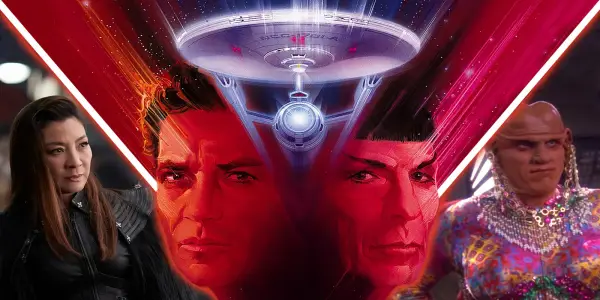
The Most Notable Missteps in Star Trek...

Debate Emerges Over Potential Renaming of Kruger...
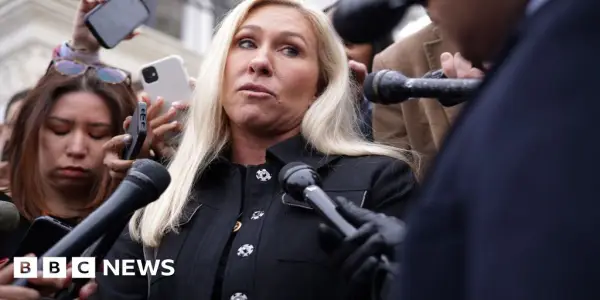
Marjorie Taylor Greene's Early Departure from...
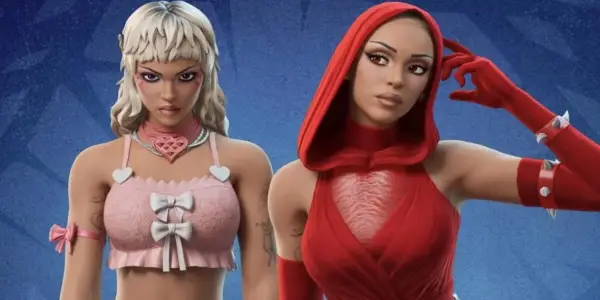
Doja Cat Disavows Controversial Fortnite Post,...
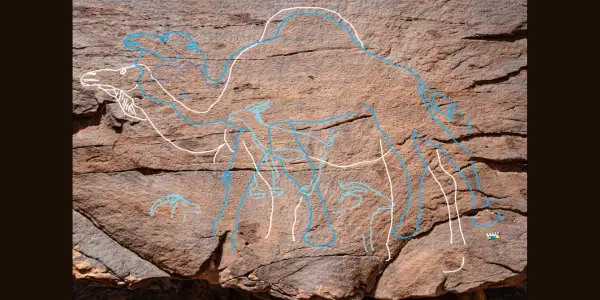
Ancient Rock Art in Saudi Arabia Sheds Light on...

Verizon Announces Layoffs Affecting Over 13,000...
The Period Brain: A New Perspective on PMS, Yet...
The Rise of 'Silver Influencers' on TikTok and...

Duke University Students Forge New Path in Luxury...
The Pursuit of a Meaningful Life: Reflections...
Paralympic Swimmer Jess Smith Highlights AI's...

St. Louis, Saskatchewan, Unites to Restore...