The Period Brain: A New Perspective on PMS, Yet Lacking Depth in Genetics

While Sarah Hill's latest book sheds light on premenstrual syndrome, it falls short in addressing the genetic factors contributing to the condition, according to Alexandra Thompson.
In-depth analysis
Cultural events
The release of Sarah Hill's book, *The Period Brain*, has sparked renewed discussions on women's health, particularly regarding PMS. This cultural moment highlights the growing interest in addressing women's health issues through literature and public discourse, encouraging communities to engage in conversations about menstrual health and its implications for overall well-being.
Impact on society
The increasing focus on women's health, especially PMS, reflects a societal shift towards recognizing and addressing long-ignored health concerns. This awareness fosters a more informed public, potentially leading to improved health outcomes for women.
Preserving heritage
Understanding the historical context of women's health issues, including PMS, is essential for preserving the knowledge and experiences of women across generations. By exploring these topics, society can honor past struggles while promoting informed discussions about reproductive health.
Future outlook
The future of PMS research looks promising, with an emphasis on integrating genetic factors into studies. This approach may lead to more personalized treatments, enhancing the quality of life for women experiencing PMS and advancing the broader understanding of women's health.
Did you know?
Why this is part of our identity
Women's health issues, particularly those like PMS, are intricately woven into the fabric of societal identity. Addressing these complexities not only empowers women but also challenges long-standing stigmas. Acknowledging the nuances of PMS provides a platform for deeper discussions about women's health, encouraging a more informed society that values the experiences of half its population.
Unknown pages of culture
In ancient Rome, women would use a mixture of honey, resin, and various herbs to alleviate menstrual discomfort, showcasing that the quest for relief from PMS has roots in historical practices. This blend of natural remedies reflects a longstanding, albeit often overlooked, connection between women's health and cultural approaches to well-being.
The guardian of culture
Marcus, 34, from Chicago, grew up watching his mother struggle with debilitating PMS. As a child, he felt helpless, often wishing he could ease her pain. Now a father of two daughters, Marcus is determined to break the cycle of silence around women's health. He actively engages in conversations about PMS with friends and family, advocating for greater awareness and understanding. His commitment to supporting his daughters in navigating their health is a testament to his belief that knowledge can transform experiences, ensuring they feel empowered rather than burdened by their biology.
Expert Commentary

Paralympic Swimmer Jess Smith Highlights AI's...

Understanding the Significance of Hunting in...

Harry Brook Incident Reflects Cultural Challenges...

Duke University Students Forge New Path in Luxury...

Brigitte Bardot Foundation Alerts Public to...

The Personal is Political: An Examination of...

Navigating Challenges: The Current Landscape for...

BBC Leadership Responds to Allegations of...
The Rise of 'AI Slop': A Historical Perspective...

Palm Royale Returns for Season 2 on Apple TV+

The Rise of 'Silver Influencers' on TikTok and...

Sustainable Luxury Takes Center Stage at Miami...

Authors Advocate Automatic Library Card...

NTSB Report Indicates FAA Missed Opportunities to...

Google Leverages AI to Produce Television...

Amazon's Alexa Plus Launches in Canada with...
Populus Hotels in Seattle and Denver Redefine Art...

Butlin's Holiday Incident Leads to Cancer...

The Resurgence of Retro Christmas Decor: A...

African Nations Urged to Forge Unique Democratic...

Launch of Prompt Decks Marks Milestone in AI...

Scholars Challenge Common Beliefs About Vikings...

Understanding the Nuances of Theft in Modern...
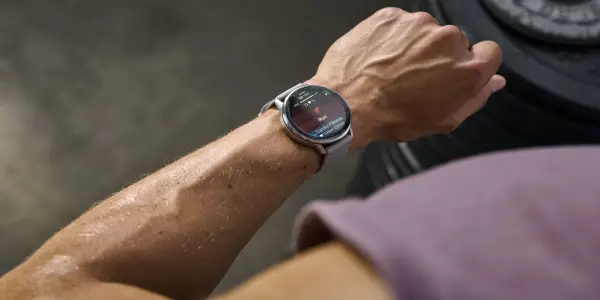
Garmin Venu 4 vs. Venu X1: Evaluating Features...

YouTube Access Issues Persist for Opera GX Users...
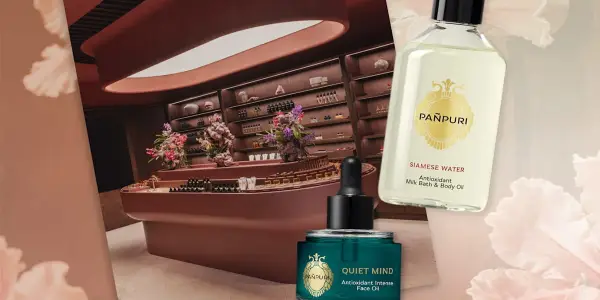
Panpuri Launches Its First Singapore Store at...

Trump and Hegseth's Militaristic Vision Takes...

Elon Musk's Struggle for Authenticity in a...

Exploring the Cultural Richness of Zeyrek Çinili...

Sol Refreshes Brand Identity with a Modern Twist

Exploring the Overlooked Challenges of Womanhood:...

English Mayors Granted Authority to Implement...

Leading UK Scientist Warns Visa Restrictions...

The Role of AI in Shaping Thanksgiving Traditions...

Ben & Jerry's Co-Founder Launches Independent Ice...

The Gathering Spot's $30 Million Growth: A New...

Surge in Tax Season Scams Amid Filing Confusion

Historian Rutger Bregman Critiques BBC's Editing...

Guillermo del Toro and Oscar Isaac Infuse...

Xinjiang Sees Surge in Tourist Visits Amid...