Elon Musk Faces Legal Challenges Over Tesla's Self-Driving Claims
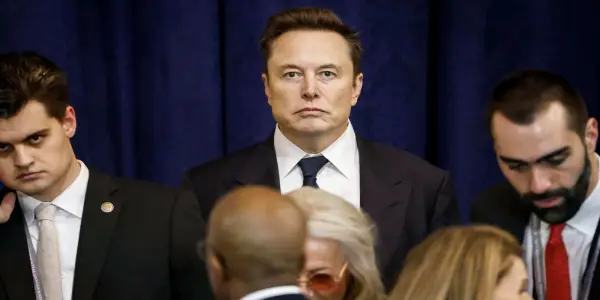
California regulators, a Miami jury, and a newly approved class action lawsuit are scrutinizing Elon Musk's assertions regarding the self-driving capabilities of Tesla vehicles.
In-depth analysis
Market overview
The recent class action lawsuit against Tesla highlights significant challenges for the automaker amid increasing scrutiny of its self-driving technology claims. As Tesla faces legal hurdles and declining sales, the competitive landscape intensifies, particularly with rivals like Waymo advancing in the autonomous vehicle sector. This situation raises critical questions about Tesla's market position and future viability.
Key business trends
A notable trend is the growing legal scrutiny surrounding claims made by automakers regarding autonomous technologies. This is particularly evident in Tesla's case, where consumer trust is increasingly challenged by unmet promises.
Impact on companies
The outcome of the lawsuit could significantly affect Tesla's operations, particularly in California, where misleading claims may lead to restrictions on vehicle sales. This situation may also influence the broader automotive industry, prompting a re-evaluation of transparency in marketing autonomous technology.
Future projections
As legal challenges persist, Tesla's ability to regain consumer trust will be crucial. Industry analysts anticipate that the company's response to these issues will determine its competitive edge and influence future regulatory standards in the autonomous vehicle market.
Did you know?
What this means for your wallet
Tesla owners may face financial repercussions if the lawsuit reveals misleading claims about self-driving technology. If the judge rules in favor of the plaintiffs, compensation for damages could lead to significant payouts. Additionally, potential restrictions on Tesla's sales in California might affect resale values and future purchases, causing buyers to reconsider the risks associated with the brand.
What analysts aren't telling you
Despite Tesla's claims of imminent full autonomy, a study from the Insurance Institute for Highway Safety revealed that only 4% of accidents involve vehicles with advanced driver-assistance systems. This statistic highlights the sobering reality of current autonomous technology performance compared to consumer expectations.
One person's journey
Marcus, 34, from Chicago, invested in a Tesla Model 3, drawn by the promise of cutting-edge self-driving capabilities. He envisioned long road trips where he could relax while the car navigated. However, after multiple software updates failed to deliver the anticipated features, Marcus felt frustrated and misled. Recently, he recounted a near-miss incident where he relied on Autopilot, raising serious doubts about its reliability. Now, he grapples with whether his investment was a wise choice or a leap of faith dashed by unfulfilled promises.
Expert Commentary

October Sees Modest Rise in Existing-Home Sales...

Mega Millions Jackpot Soars to $980 Million Ahead...
NASA's Jet Propulsion Laboratory to Lay Off 550...
AMD, Cisco, and HUMAIN Launch Joint Venture to...
Trump's Proposed 100% Tariffs on China Ignite $18...
Biden's TikTok Decision: A Potential Political...

Pennsylvania Electric Rates Set to Rise December 1
Walmart Emerges as Key Player in Addressing...
Lutnick Brothers Capitalize on Data Center Boom...

Federal Employees Share Shutdown Experiences on...
USPS Chief Advocates for Revenue Growth Amid...
Major Players in AI Infrastructure See...
Potential $200 Monthly Increase in Social...
Texas Woman Arrested for Allegedly Inserting...

Sonder Faces Backlash as Guests Evicted Amid...

Insurers Seek Exemptions for AI-Related...
Verizon Announces Major Workforce Reductions,...
Westinghouse Announces Ambitious Nuclear Reactor...

Trump's Appointment of Warsh as Fed Chair...

BCBS Class Action Settlement 2025: Key Details on...
Governor Barr Addresses Banking Supervision...

Standard Chartered Predicts End of Bitcoin...

Japan's Ambitious Plan to Transform Hokkaido into...

Black Friday 2025: Real-Time Sales Updates from...
Black Friday 2025: A Mixed Bag for Retailers Amid...
Ontario Premier Calls for Economic Retaliation...
U.S. Retailers Face Penny Shortage as Minting...
Hartsfield-Jackson Atlanta International Airport...

Japan Raises Interest Rates to Highest Point...
Transportation Secretary Duffy's Dress Code...

Top AI Stocks to Consider Amid Ongoing Industry...

The Implications of the US Phasing Out the Penny

Proposed Reforms in Home Buying Could Save...
Oil Prices Plummet as Stock Markets Rally Amid...
Meta to Block Access for Australians Under 16 on...
Average Price of New Cars in the U.S. Surpasses...
Cautionary Insights from Billionaire Entrepreneur...

Analyzing the Forbes Under 30 Class of 2026: A...

The Rise of AI Influencers: A New Era in Social...
UK Introduces Pay-Per-Mile Tax for Electric...