Average Price of New Cars in the U.S. Surpasses $50,000 for the First Time
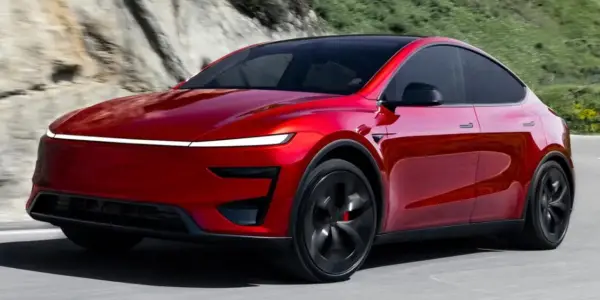
The average transaction price for new vehicles in the U.S. reached an unprecedented $50,000 in September, driven by a surge in luxury and electric vehicle sales, according to Kelley Blue Book.
In-depth analysis
Market overview
The automotive market in the United States has reached a notable milestone, with the average price of new cars surpassing $50,000 for the first time. This trend, driven by increasing demand for luxury and electric vehicles, reflects a significant shift in consumer preferences and market dynamics, particularly evident during the summer months.
Key business trends
Electric vehicles have gained a record market share, constituting around 6% of all new vehicle sales in September. This trend highlights the industry's pivot towards greener alternatives, even as government incentives for EV purchases are set to expire.
Impact on companies
Automakers are facing a dual challenge of rising prices and changing consumer preferences, particularly as the traditional $30,000 vehicle becomes scarce. Companies must adapt by introducing more affordable electric models while addressing supply chain issues and increasing competition in the luxury segment.
Future projections
The automotive landscape is poised for significant transformation, with expectations of declining average prices for electric vehicles due to new affordable variants. This shift indicates a potential recalibration of market dynamics as consumer demand evolves.
Did you know?
What this means for your wallet
The spike in average new car prices to over $50,000 could strain budgets, especially for first-time buyers. As luxury and electric vehicles dominate the market, consumers may face tough choices between affordability and desirable features. Those seeking traditional vehicles could find limited options, pushing many towards longer financing terms or even used cars, which may also see price increases as demand shifts.
What analysts aren't telling you
While analysts highlight rising prices, they often overlook that the average price of electric vehicles remains stable year-over-year, despite fluctuations in incentives. This resilience suggests that consumer interest in EVs is not merely driven by subsidies, but by a genuine shift in preferences towards sustainability.
One person's journey
Marcus, 34, from Chicago, had always dreamed of owning a new car. After years of saving, he finally had enough for a down payment. However, when he saw the average price surpass $50,000, he felt disheartened. The electric models he once considered now seemed out of reach. Marcus ended up purchasing a used hybrid, a compromise that still made him feel like he was part of the green revolution. He now drives with pride, knowing he’s contributing to sustainability, even if it wasn’t the brand-new car he envisioned.
Expert Commentary

Japan's Ambitious Plan to Transform Hokkaido into...

Trump's Executive Order Targets Proxy Advisory...

Campbell's Dismisses Executive Following...

Verizon Announces Major Workforce Reductions,...


Upcoming Social Security COLA Adjustments: What...

Meta Platforms Poised for Significant Stock Split...

The Implications of the US Phasing Out the Penny

Standard Chartered Predicts End of Bitcoin...

Job Cuts at Amazon and T-Mobile Impact Bellevue's...

UK Introduces Pay-Per-Mile Tax for Electric...

Target Kicks Off Black Friday 2025 Sales with...

Shopify Faces Outage Disrupting Retailers on...

Amazon's Partnership with OpenAI Boosts Jeff...

U.S. Retailers Face Penny Shortage as Minting...

Unprecedented Early Black Friday Discounts on...


Jim Beam Suspends Production at Key Kentucky...
Amazon Begins Disbursing Refunds Following $2.5...

Tesla Plans Subscription Price Hike for Full...

Chick-Fil-A Launches Chicken & Waffles Sandwich...

Shein Faces Legal Scrutiny in France Over...

Oil Prices Plummet as Stock Markets Rally Amid...

Saks OFF 5TH to Close Majority of Stores Amid...

CFPB Plans Workforce Furloughs and Case Transfers...

Meta to Block Access for Australians Under 16 on...

Hollywood Heavyweights Urge Congress to Block...

The Uncertain Fate of the Trump Phone: Delays and...

BCBS Class Action Settlement 2025: Key Details on...

Debunking Dental Myths: Insights from Experts on...

Optimal Locations for Future US Data Centers...

Amazon Announces 700 Job Cuts in New York City...

Do Kwon Sentenced to 15 Years for Role in $40...
Waymo Expands Autonomous Taxi Services to Include...

Trump's Appointment of Warsh as Fed Chair...

McLean Resident Sentenced to Nearly Two Years for...

Google Introduces Gemini 3 AI Model and...

USPS Chief Advocates for Revenue Growth Amid...

Palantir's CEO Defends Company Against...

BHP Revives Acquisition Interest in Anglo...