Elon Musk Envisions a Future Without Money, Sparking Dialogue at US-Saudi Investment Forum
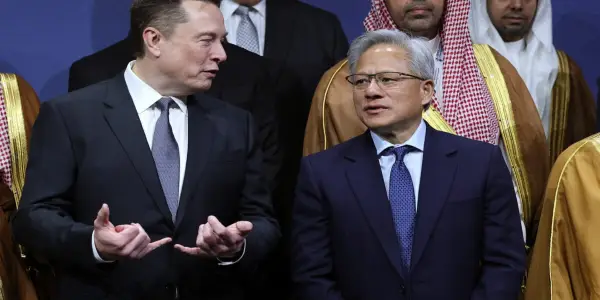
Elon Musk shares his vision for a future without money at the US-Saudi Investment Forum, highlighting AI's potential to eliminate traditional work and poverty.
In-depth analysis
Cultural events
The US-Saudi Investment Forum at the Kennedy Center showcased prominent figures like Elon Musk and Jensen Huang discussing the transformative power of AI and robotics. Their dialogue highlighted not only technological advancements but also the cultural narratives surrounding the future of work, reflecting a growing interest in how innovation shapes societal norms and values.
Impact on society
Musk's predictions about a future where traditional jobs may become obsolete raise significant societal questions. The potential shift towards automation could redefine economic participation and challenge existing social structures, prompting debate on the implications for wealth distribution.
Preserving heritage
As discussions about AI and automation evolve, the need to preserve cultural heritage becomes paramount. The potential displacement of traditional jobs underscores the importance of integrating technology in a way that honors historical practices while adapting to modern advancements, ensuring that cultural identities are not lost in the transition.
Future outlook
The dialogue surrounding AI and the future of work suggests a complex landscape ahead. While there is optimism for increased efficiency and productivity, the necessity for adaptive economic strategies remains critical to address the challenges posed by automation and to secure a balanced societal evolution.
Did you know?
Why this is part of our identity
Musk's vision for a future dominated by AI and robotics reflects a deep-seated belief in innovation as a means to transcend traditional economic barriers. This ambition aligns with America's historical narrative of progress, where technological advancement is seen as a pathway to a more equitable society. As we grapple with the implications of these changes, the conversation around our identity as a nation committed to innovation becomes even more relevant.
Unknown pages of culture
In the 1970s, the concept of a 'leisure society' emerged, theorizing that automation would result in shorter workweeks and more free time. This idea was popularized by economist John Kenneth Galbraith but has largely been overlooked in contemporary discussions about AI and employment.
The guardian of culture
Marcus, 34, from Chicago, recalls his grandfather, a factory worker during the automation boom of the 1980s, who feared losing his job to machines. Yet, as the years passed, Marcus saw his grandfather adapt, embracing new roles in tech support. Today, as he listens to Musk’s predictions, Marcus reflects on that resilience. He feels a mix of hope and apprehension—wondering if the future will offer freedom from labor or simply a different kind of struggle. The legacy of adaptation runs deep in his family, fueling his belief that while technology evolves, the human spirit must too.

The Rise of 'AI Slop': A Historical Perspective...

Discover Your Birth Animal Through a Unique Quiz

The Social Media Dilemma: Why Many Women Keep...
Debate Intensifies Over Russian Archaeologist's...


Meta Launches Trade-In Initiative for Ray-Ban and...

Excavation at 700-Year-Old Monastery Reveals...
Test Your Knowledge: Complete These Iconic Quotes

Launch of Prompt Decks Marks Milestone in AI...


YouTube Access Issues Persist for Opera GX Users...

Teachers Face Online Harassment Following...

Ancient Jordanian Site Sheds Light on a Lost...

Reviving Venetian Heritage: Antonia Sautter’s Il...
The Challenges Facing Progressive Politics: A...
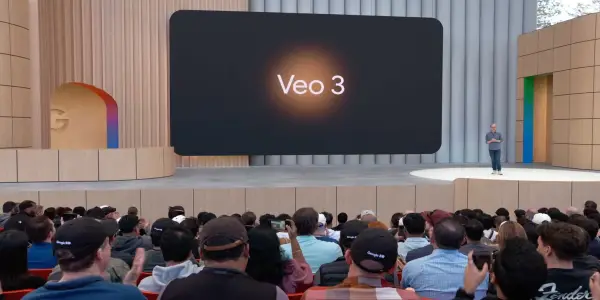
Google Leverages AI to Produce Television...
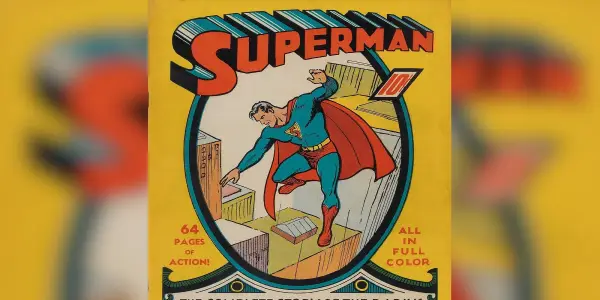
Record-Breaking Sale of Original Superman Comic...

From K-Pop to K-Food: The Rise of Korean Cuisine...
Populus Hotels in Seattle and Denver Redefine Art...

Emerging Nigerian Designers Showcase Cultural...

Exploring the Overlooked Challenges of Womanhood:...
The Rise and Fall of a £1 Million Glastonbury...

Eddie Jones Outlines Vision for Rugby's Future...

The Rise of 'Silver Influencers' on TikTok and...

Government Confident in Resolving Concerns Over...

BBC Leadership Responds to Allegations of...

English Mayors Granted Authority to Implement...

Spotify Enhances Social Sharing with WhatsApp...


Brigitte Bardot Foundation Alerts Public to...

AI Recipe Recommendations Raise Concerns for...

Duke University Students Forge New Path in Luxury...

The Dark Return of Social Media Horror in...

Innovative Monuments Designed by American...

Guillermo del Toro and Oscar Isaac Infuse...

Authors Advocate Automatic Library Card...

Leading UK Scientist Warns Visa Restrictions...

Divisions Emerge in the GOP Amid Epstein File...

Pixel 10 Users Experience Significant Wi-Fi and...
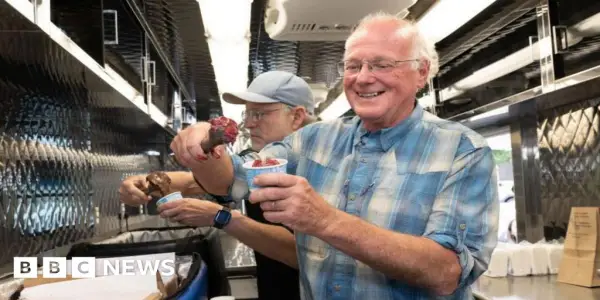
Ben & Jerry's Co-Founder Launches Independent Ice...