Microcomputers: The Second Wave and the Rise of the Mass Market
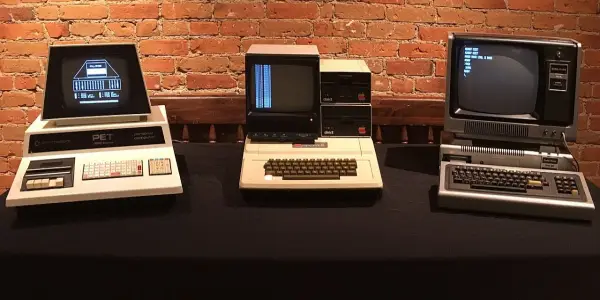
The launch of the Apple II, Commodore PET, and Tandy TRS-80 in 1977 revolutionized computing, making technology accessible to the mass market and transformin...
In-depth analysis
Top trending topics
The rise of microcomputers in the late 1970s is a focal point in tech history, particularly the Apple II, Commodore PET, and Tandy TRS-80. These devices marked a pivotal shift from hobbyist machines to consumer-friendly products, reshaping public perceptions of technology and paving the way for widespread adoption and innovation in personal computing.
Audience engagement
The introduction of user-friendly microcomputers captured the interest of a broader audience, moving beyond tech enthusiasts to everyday consumers. This shift encouraged greater public interaction with technology, fostering a new generation of users eager to explore computing capabilities.
Industry impact
The success of the Apple II, Commodore PET, and TRS-80 catalyzed significant changes within the computing industry, challenging established companies to reconsider their strategies. These microcomputers demonstrated the viability of personal computing, prompting a shift in focus towards user-friendly designs and mass-market appeal.
Future trends
The legacy of these early microcomputers continues to influence modern technology trends, emphasizing accessibility and user experience. As the industry evolves, the foundational principles established in the 1970s remain relevant, guiding innovations aimed at enhancing consumer engagement with technology.
Did you know?
Why everyone is talking about this
The conversation surrounding the launch of the Apple II, Commodore PET, and Tandy TRS-80 highlights a pivotal moment in technology history. These microcomputers didn't just introduce new hardware; they democratized computing, transforming it from a niche hobby into an essential part of everyday life. As consumers began to embrace these machines, they sparked a cultural shift that reshaped education, business, and personal communication, making technology accessible to millions.
What stays off-camera
While the success of these microcomputers is well-documented, few know that Commodore PET's initial production was plagued by supply chain issues. In fact, the company struggled to source enough memory chips, causing delays that almost derailed the launch. This challenge underscored the unpredictable nature of early tech ventures, where innovation often came with significant hurdles.
A day behind the scenes
In the early days of the Apple II's development, Steve Wozniak worked tirelessly in a small garage, often pulling all-nighters to refine the prototype. Fascinatingly, he relied on a unique assembly line system he created himself, allowing him to produce parts at an astonishing speed. Meanwhile, Steve Jobs was out securing parts and forging partnerships, often engaging in heated discussions over design choices. Their contrasting styles—Wozniak's methodical approach and Jobs's marketing flair—created a dynamic environment that not only fostered innovation but also set the stage for future tech giants. Their collaboration symbolized the raw energy and ambition of the era, turning a simple garage into a birthplace of revolution.
Expert Commentary

Catherine Corcoran Files Lawsuit Against...

Taylor Swift's 'The Life of a Showgirl' Sets...

The Existential Threat of Artificial General...

Tech Leaders Embrace Controversial Views on Human...

BBC Presenter Faces Discipline for On-Air...

Understanding Google's Influence on Headline...

New Study Reveals How Personalized Algorithms...

Lily Allen Opens Up About Her Heartfelt Album...
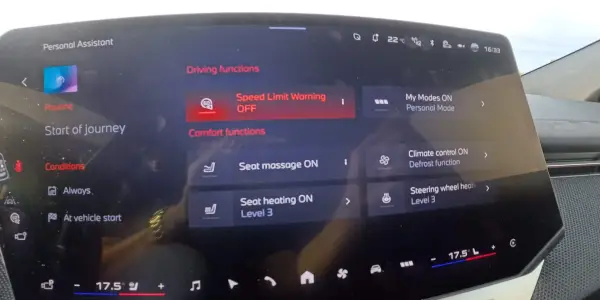
Understanding BMW iX3's Driving Mode Limitations:...

Germany Reviews Apple's Modifications to App...

Can Malware Vaccines Mitigate the Surge of...

Las Cruces Police Chief Calls for Public Support...

Instagram's Adam Mosseri Warns of Authenticity...

Key Developments in Video Gaming to Anticipate in...

Sisterly Conflict Erupts Over Wedding Plans as...

Asteroid 33 Polyhymnia May Contain Elements...

Incorporating NotebookLM Revolutionizes Freelance...

Digital Reconstruction Brings Ancient Faces to...

HBO's 'The Pitt' Sparks Increased Interest in...

Three Mobile Apps to Acquire Lucrative Skills in...

Google Unveils Gemini 3: A Major Leap in AI...

The Enigmatic Ado: A Voice that Defies Visibility

Bill Burr's Controversial Appearance on Conan...

Norman Reedus Discusses Daryl Dixon's Connection...

Decline in Sales of Trump-Related Books Signals...
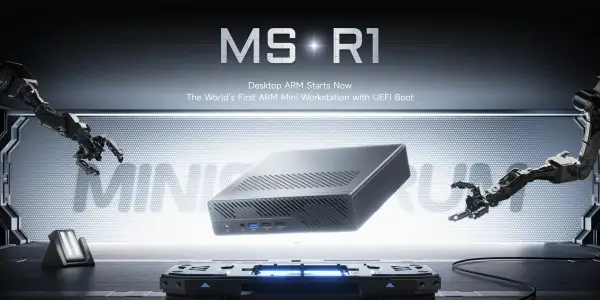
Minisforum Unveils MS-R1: Its First ARM-Based...

Exploring Historical Context in Pokémon Legends:...

Controversy Erupts Over BU Student's ICE Reports...

Prioritizing Cleanliness in Sabah's Tourism...

New York City Mayoral Election Draws National...

Microsoft Faces Social Media Backlash Amid AI...

FIA Addresses Controversy Over Marshal...

Debunking the Myth: Do Metal Spoons Keep...

Calls for Action on ACL Injuries Intensify...

Three Key Reasons Your Executive Isn’t Making an...

Nvidia CEO Warns: Jobs at Risk from AI Users, Not...

Katy Perry Opens Up About Her Relationship with...

Apple TV Set to Launch Ambitious Sci-Fi Series...
OpenAI Engineer Shares Insights on Swift Hiring...

Tim Cook Engages with President Trump and Tech...