White House Implements Loyalty Rating System for 553 U.S. Corporations Amid Trump Administration Policies
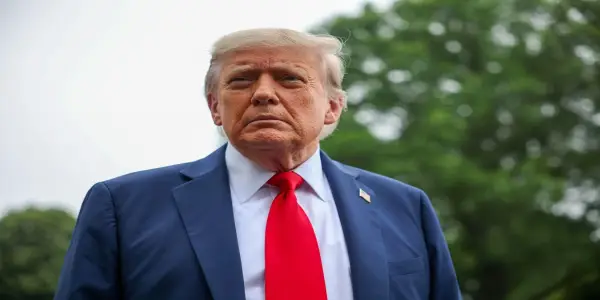
The newly established loyalty rating system evaluates companies based on their support for Trump's infrastructure initiatives and public engagement with the administration.
In-depth analysis
Market overview
The introduction of a loyalty rating system by the White House marks a pivotal shift in how U.S. companies are evaluated. This system assesses 553 firms based on their alignment with the administration’s policies, particularly focusing on infrastructure initiatives. The ratings are influenced by corporate behaviors, such as event attendance and public endorsements of governmental objectives.
Key business trends
A noticeable trend is the increasing expectation for corporations to publicly support government policies. This shift underscores a growing intertwining of corporate interests with political agendas, particularly in the context of infrastructure and investment.
Impact on companies
Companies that align themselves with the administration, like Delta and United Airlines, are receiving favorable ratings, which may enhance their standing in federal dealings. In contrast, firms criticized by Trump, such as Bank of America, risk negative perceptions that could affect their operations and relationships with the government.
Future projections
The loyalty rating system could reshape corporate strategies, compelling businesses to align more closely with political narratives to secure favorable conditions. This trend may lead to a more pronounced influence of governmental policies on corporate governance in the coming years.
Did you know?
What this means for your wallet
The new loyalty rating system could impact your finances in unexpected ways. Companies rated favorably may pass on tax savings or benefits from infrastructure investments to consumers, potentially lowering prices or improving services. Conversely, firms that face scrutiny could increase costs to offset regulatory challenges, directly influencing what you pay for goods and services.
What analysts aren't telling you
While the loyalty rating system prioritizes support for the administration's policies, analysts have noted that firms with high ratings may also face pressure to conform to political narratives, potentially stifling innovation and diverse viewpoints within their operations.
One person's journey
Marcus, 34, from Chicago, works as an air traffic controller and has felt the direct impact of infrastructure discussions. After a near-miss incident at his airport, he became a vocal advocate for modernization. When he learned about the $1 billion allocation in the new bill, he felt a mix of hope and skepticism. While he applauded the investment, he worries that corporate interests might overshadow genuine safety improvements. For Marcus, this isn’t just policy; it’s about the safety of the skies he oversees every day.
Expert Commentary

Southwest Airlines' $140 Million Penalty Reduced...
Ontario Premier Calls for Economic Retaliation...
CISA and NSA Urge Immediate Action to Secure WSUS...

AMD, Cisco, and HUMAIN Launch Joint Venture to...
Starbucks Stock Rises Amid Calls for Boycott by...

USPS Chief Advocates for Revenue Growth Amid...

Extended Cyber Monday Offers Still Available: Top...
Norway's Sovereign Wealth Fund Rejects Musk's...
Tesla Faces Declining Sales in China Amidst...

Google Introduces Gemini 3 AI Model and...
Zipcar to Cease UK Operations Amid Operational...
Hollywood Heavyweights Urge Congress to Block...
Constellation Brands Lowers Full-Year Forecast...
December 2025 SSI Payment Schedule Confirmed by...
Warner Bros. Discovery Turns Down Paramount...

Anthropic Unveils Enhanced Opus 4.5 Model,...

Federal Employees Share Shutdown Experiences on...
BCBS Class Action Settlement 2025: Key Details on...

Black Friday 2025: Real-Time Sales Updates from...
Wendy's to Shut Down Hundreds of U.S. Locations...

Japan Raises Interest Rates to Highest Point...

Rivian Reports Growth in Q3 2025: Increased...

Amazon's Partnership with OpenAI Boosts Jeff...

The Remarkable Rise of Leopold Aschenbrenner:...

Roblox Enhances Child Safety by Blocking Adult...

Cryptocurrency Market Experiences Swift Decline...

Cyberattack Disrupts Emergency Alert Systems...
Pfizer May Seek Political Leverage in $8.5...

Trump Urges Google to Restore Univision on...
Walmart Emerges as Key Player in Addressing...
Trump's Proposed 100% Tariffs on China Ignite $18...

Pennsylvania Electric Rates Set to Rise December 1

Average Price of New Cars in the U.S. Surpasses...
Hack of Real-Estate Data Firm Sparks Urgent...
Rivian's R2 SUV Aims to Compete with Tesla's...
U.S. Retailers Face Penny Shortage as Minting...

October Sees Modest Rise in Existing-Home Sales...

Job Cuts at Amazon and T-Mobile Impact Bellevue's...
Supply Chain Challenges and Rising Equipment...
Amazon Thwarts 1,800 Job Applications Linked to...