Meta's Ray-Ban Smart Glasses: Innovation Meets User Discontent
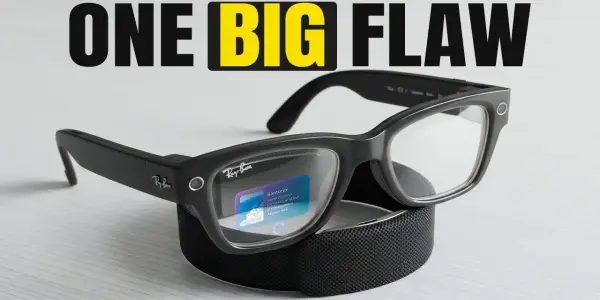
Meta's Ray-Ban smart glasses stir excitement but face user backlash over design flaws and comfort issues, raising doubts about their $800 price tag and usabi...
In-depth analysis
How the technology works
Meta's Ray-Ban smart glasses integrate a 12 MP camera capable of 4K video recording, emphasizing low-light performance. Users control the glasses via a neural wristband that employs gesture recognition. However, the design's reliance on a single-eye display can cause visual strain, complicating the user experience and raising concerns about ergonomics.
Why this innovation matters
The introduction of smart eyewear represents a significant step in wearable technology, merging fashion with advanced features. However, the practical usability issues highlight the ongoing challenge of balancing innovation with consumer comfort.
Who is affected
Consumers seeking stylish yet functional smart glasses may find the Ray-Ban model limiting due to design flaws and prescription restrictions. Additionally, individuals with visual impairments could be disproportionately affected by the single-eye display, impacting their overall experience.
What could come next
Future developments in smart eyewear may focus on enhancing user comfort and inclusivity, potentially incorporating dual-eye displays and more versatile lens options. This shift could redefine market standards, prioritizing ergonomic design alongside technological advancements.
Did you know?
How this will change your life
For many, the Ray-Ban smart glasses promise a glimpse into the future of wearable technology. However, discomfort and usability issues could derail that vision. Imagine trying to capture a moment in 4K only to be met with headaches and visual strain. With limited prescription options and reliance on a cumbersome wristband, daily activities like commuting or socializing could become frustrating rather than seamless.
The tech secret
Despite its advanced 12 MP camera and 4K recording capabilities, the Ray-Ban smart glasses' single-eye display may cause discomfort for up to 20% of users. This design flaw highlights a significant gap in user-centric innovation, where the technology's ambition fails to cater to diverse visual needs.
The human behind the innovation
Meet Clara Nguyen, a tech enthusiast and long-time glasses wearer. Clara was excited to try the Ray-Ban smart glasses, envisioning a blend of style and functionality. However, after just a few hours, she experienced severe eye strain and a headache, forcing her to remove them. Clara's experience underscores a critical challenge in wearable tech: balancing cutting-edge features with comfort and accessibility. She now advocates for more inclusive designs that accommodate the needs of all users, sharing her story to inspire companies to prioritize user experience.
Expert Commentary

Four Surprising Vehicles Equipped with Toyota's...
Valve's Steam Machine: A Potential Game Changer...

Celebrating 25 Years of PlayStation 2: A Landmark...
Google Enhances AI Studio with New Features to...

Vampire: The Masquerade - Bloodlines 2 Receives...

Borderlands 4 Launches Free DLC: Bounty Pack 1 -...

Beware of These 12 Android Apps That May Record...
The Future of Xbox Exclusives: Navigating...

Revitalize Your Old PlayStation 2: A Guide to...
Snapchat Experiences Widespread Outage Amid AWS...

WhatsApp Plus Subscription Set to Launch with...

Essential USB-Compatible Gadgets to Enhance Your...

Valve Teases New Half-Life Content Amid Fan...

Rising Memory Costs Dampen PC Building Prospects...
Google Unveils Second December 2025 Update for...

Ranking the Top-Rated Games: A Comprehensive...
Meta's Ray-Ban Smart Glasses: Innovation Meets...

Sony Moves to Halt Fan-Led Revival of Concord...

Significant Black Friday Discounts on AirPods:...

Bungie Reveals Final Ability Changes Ahead of...

The Role of Steam Tubes in LS Engines Explained

Fujifilm X-T30 III receives its very first...
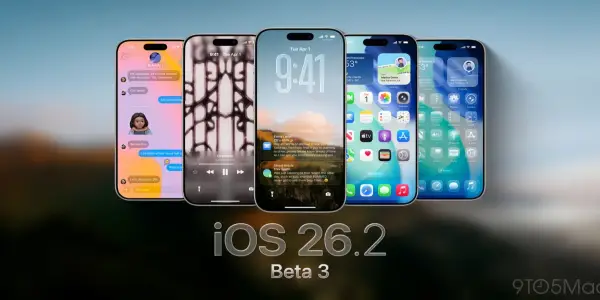
Apple Unveils New Features in iOS 26.2 Beta 3
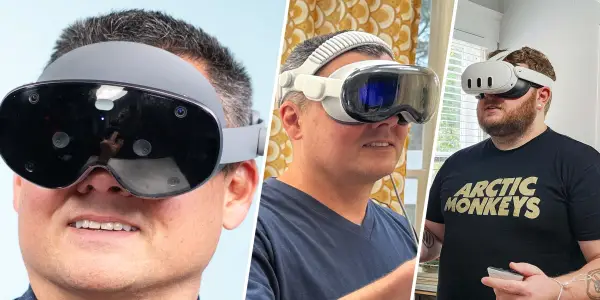
Comparing the Samsung Galaxy XR, Apple Vision...

Nintendo Switch 2 Welcomes 'Orbitals' as an...

Microsoft Addresses Security Risks with November...
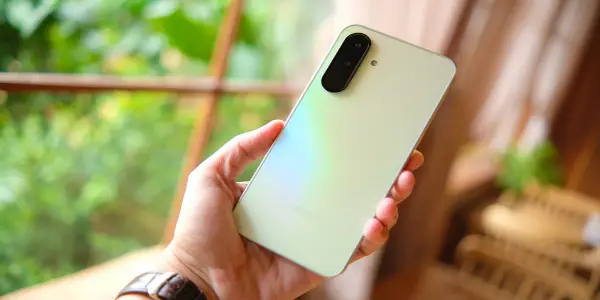
Top Android Phones to Avoid in 2025 and...

Even Realities Introduces G2 Smart Glasses with...

December 2025 Google System Updates: Key...
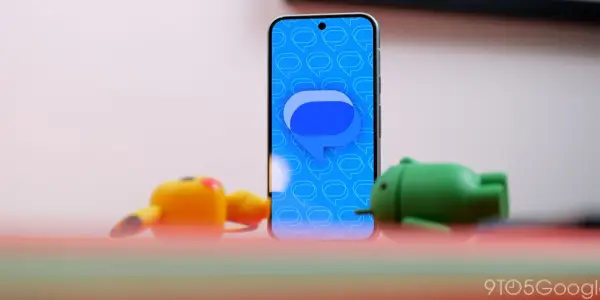
Google Messages Initiates Testing of @mentions...
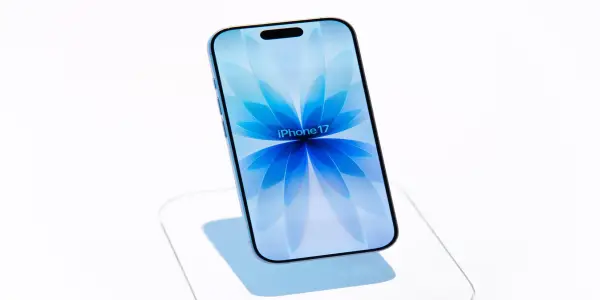
Apple Confirms December Release for Major iOS...

Google Warns Against Creating 'Bite-Sized'...
Apple's 14-Inch MacBook Pro with M5 Chip:...

Celebrating Nintendo: The Top 100 Games of All...
Reviving Nostalgia: Modern Bluetooth CD Players...

Bethesda Celebrates Fallout: New Vegas' 15th...
Apple Expands Satellite Connectivity Features for...

Ultramarathoner Kevin Humphrey Battles Stage IV...

Microsoft Urges Immediate Windows Updates Amid...