Find Hub App for Android Discontinues Biometric Login Requirement
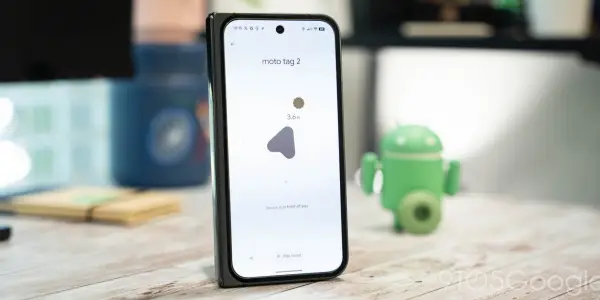
In a recent update, Google's Find Hub app, formerly known as Find My Device, has eliminated the biometric login feature, which was initially introduced in 2024.
In-depth analysis
How the technology works
It uses a combination of Bluetooth, GPS, and crowdsourced device networks to pinpoint your stuff. The recent update ditched the fingerprint lock, meaning now the app opens straight to the map without asking who you are first—which is convenient, but also a bit scary.
Why this innovation matters
It shows a major shift in how tech companies think. Google is basically betting that we value speed over security. By removing that login step, they are prioritizing convenience, but it sets a risky precedent for how we protect sensitive location data going forward.
Who is affected
Honestly, pretty much anyone with an Android phone. If you use the app to find your misplaced tablet or share your location with family, your data is now less protected. It’s especially risky for people who often lend their phone or use it in crowded public spaces.
What could come next
I really hope user feedback forces Google to backtrack or add an optional security setting. They might introduce a "Privacy screen" like Google Authenticator has, or maybe rely on AI to detect unusual access. If not, we might see people trusting the app less overall.
Did you know?
How this will change your life
It means your location history is now one step easier for anyone to access if they grab your unlocked phone. Sure, you'll save a couple seconds finding your lost device, but you might also find yourself worrying more about privacy. That trade-off between speed and safety suddenly feels very personal.
The tech secret
The real story isn't about Bluetooth or networks—it's about priorities. Google made a conscious choice to remove security layers most of us took for granted. They quietly decided convenience matters more than protection, and that tells us everything about where the industry is heading right now.
The human behind the innovation
Some product manager at Google probably fought for this change, genuinely believing it helps busy parents or stressed travelers find things faster. But I wonder if they've considered the single mom whose phone shows her kids' school location, or the journalist protecting sources. Those humans deserved a choice.
Expert Commentary
Honestly, this feels like a misstep. Location data is incredibly personal—it tells people where you live, work, and where your kids go to school. Removing biometrics for convenience? That's a trade-off I wouldn't make. I really hope Google reconsiders and at least makes this an optional setting rather than forcing it on everyone.
Exclusive Black Friday Offer: Oura Ring 4...

Ultramarathoner Kevin Humphrey Battles Stage IV...

Amazon's Cyber Monday Sale Offers Substantial...

Apex Legends Unveils Wildcard Mode Ahead of...
Apple Set to Unveil Major Overhaul of Health App...
Google Rolls Out Android 16 Part Two Update for...
Google's Pixel 11 Series May Feature Tensor G6...
Microsoft Faces Stock Pressure as Analysts...
Google Unveils Second December 2025 Update for...

Bethesda Explores the Future of Fallout Amid...


Even Realities Introduces G2 Smart Glasses with...

Netflix to Develop Animated Series Featuring...

Chevrolet Corvette ZR1 Shatters Lap Record at...

Apple's Upcoming iPhone 18 Lineup May Signal...

Google Drive Enhances PDF Experience with...
Google Warns Against Creating 'Bite-Sized'...

LG B5 65-Inch 4K OLED TV Available at Black...
WhatsApp Plus Subscription Set to Launch with...

Essential USB-Compatible Gadgets to Enhance Your...
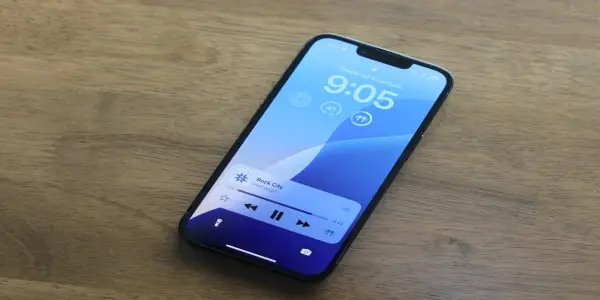
Apple Expands Satellite Connectivity Features for...

Microsoft's Copilot Actions Raises Security...

Nintendo Unveils Development Journey of Metroid...

Valve Teases New Half-Life Content Amid Fan...
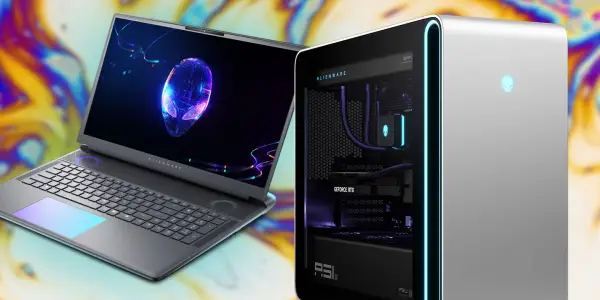
Alienware Kicks Off Early Black Friday Sale with...

Tim Cook Hints at Commemorative Plans for Apple's...

Lenovo's CEO Addresses AI Concerns at CES,...
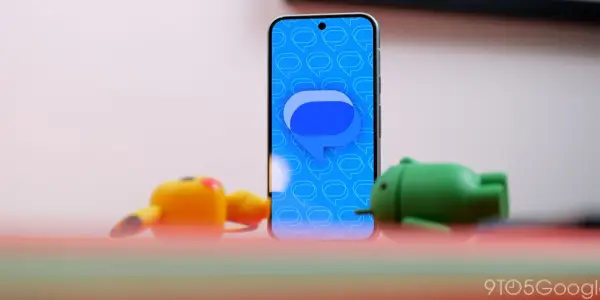
Google Messages Initiates Testing of @mentions...
Nintendo Switch 2 and Original Switch Receive...
Asus Unveils Redesigned ROG Zephyrus Duo at CES...

Where Winds Meet: A Grand Exploration of Ancient...

Weekly Cybersecurity Update: Active WSUS...
Understanding the Microphone in Your Smart TV:...

Google Enhances Cameyo to Streamline Windows App...

Celebrating Nintendo: The Top 100 Games of All...
Microsoft Addresses Security Flaw in Copilot AI...

XSEED Games Cancels Corpse Party Tetralogy Pack...
Samsung's Galaxy S26 Ultra Lacks Integrated Qi2...

Best Buy Unveils Early Black Friday Sales Ahead...