Microsoft's Copilot Actions Raises Security Concerns Amid AI Integration

Microsoft's Copilot Actions raises security alarms as experts warn of risks tied to AI integration in Windows, urging users to understand potential vulnerabi...
In-depth analysis
How the technology works
Copilot Actions leverages large language models to automate various tasks, such as organizing files and scheduling meetings. This AI feature operates as a digital collaborator, enhancing productivity by streamlining workflows. However, its functionality is underpinned by complex algorithms, which can introduce vulnerabilities if not properly managed.
Why this innovation matters
The introduction of Copilot Actions signifies a pivotal moment in the integration of AI within consumer software, highlighting the ongoing tension between technological advancement and security considerations.
Who is affected
Users of Microsoft’s Windows operating system, particularly those looking to enhance their productivity through automation, are directly impacted. Additionally, organizations relying on AI tools for efficiency face broader implications regarding data security and user trust.
What could come next
Future developments may focus on enhancing the security features of AI tools like Copilot Actions, alongside increased user education to navigate potential risks associated with AI technologies.
Did you know?
How this will change your life
With Microsoft’s Copilot Actions, everyday tasks like scheduling meetings and organizing files could become faster and more efficient. However, users must tread cautiously. The promise of increased productivity comes with potential risks, as relying on AI for these tasks might expose sensitive information or lead to misinformation if users don’t fully understand the technology's limitations.
The tech secret
A surprising aspect of large language models, like those powering Copilot Actions, is their propensity for 'hallucinations.' This means they can generate plausible-sounding but entirely false information, raising significant concerns about their reliability in critical tasks without human verification.
The human behind the innovation
Emily Chen, a lead developer on Copilot Actions, found her inspiration in her own struggles with time management. Juggling a demanding job and family responsibilities, she envisioned an AI that could streamline tedious tasks. However, her team faced ethical dilemmas during development. Emily recalls the intense discussions around ensuring user safety amidst innovation. She remains passionate about creating technology that empowers users while advocating for robust security measures, ensuring that productivity does not compromise safety.

Revitalize Your Old PlayStation 2: A Guide to...

Rising Memory Costs Dampen PC Building Prospects...


Google Messages Initiates Testing of @mentions...
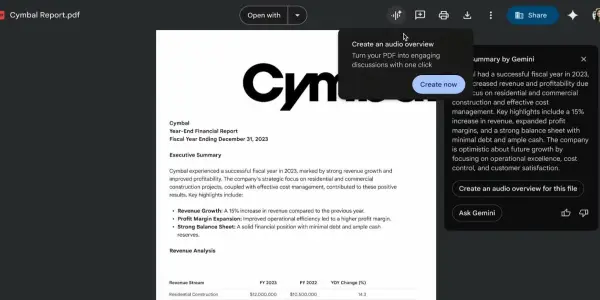
Google Drive Enhances PDF Experience with...

Bethesda Explores the Future of Fallout Amid...

Apex Legends Unveils Wildcard Mode Ahead of...

Reviving Nostalgia: Modern Bluetooth CD Players...

Best Buy Unveils Early Black Friday Sales Ahead...

Top PS5 Accessory Discounts for Black Friday...

Exclusive Black Friday Offer: Oura Ring 4...

Apple Unveils New Features in iOS 26.2 Beta 3

The Future of Xbox Exclusives: Navigating...

Disney and Google Dispute Affects Movies...

LG B5 65-Inch 4K OLED TV Available at Black...

Apple's iOS 26.2 Beta Introduces Option for...

Celebrating Nintendo: The Top 100 Games of All...

Google Issues Urgent Patch for High-Severity...

Transform Your Workspace with the D-Line Cable...

Nintendo Unveils First-Ever Physical Soundtrack...

Endnight Games Unveils Forest 3 at The Game...

Discover 10 Lesser-Known Free Android Apps Worth...

Valve Teases New Half-Life Content Amid Fan...

Urgent Microsoft Security Update Required for...

Apple Confirms December Release for Major iOS...

Keanu Reeves Expresses Desire to Reprise Role of...

Comparing the Samsung Galaxy XR, Apple Vision...

Unique Tribeca Compound Hits Market for $30...

Sony Moves to Halt Fan-Led Revival of Concord...

Google Warns Against Creating 'Bite-Sized'...

Beware of These 12 Android Apps That May Record...

T-Mobile to Introduce Charges for Apple TV Perk...

The Role of Steam Tubes in LS Engines Explained

Nintendo Unveils Development Journey of Metroid...

Borderlands 4 Launches Free DLC: Bounty Pack 1 -...

Highlights from the ID@Xbox Showcase: October...

Google Unveils Second December 2025 Update for...

Tim Cook Hints at Commemorative Plans for Apple's...

Current iPhone Black Friday Offers: Best Deals on...

Valve's Steam Machine: A Potential Game Changer...