Ranking the Pontiac Firebird Generations by Top Speed
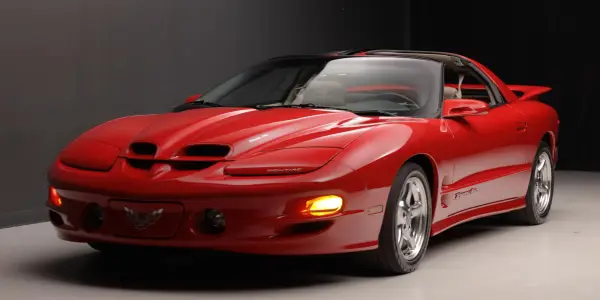
Explore the top speeds of all four Pontiac Firebird generations, ranked based on verified performance data and historical context.
In-depth analysis
How the technology works
The Pontiac Firebird's performance evolution is closely tied to advancements in automotive engineering. Each generation incorporated cutting-edge technologies, such as improved engine designs and aerodynamics, which were rigorously tested for speed. This focus on factory-stock models ensures that the performance data reflects the true capabilities of the vehicles at their peak.
Why this innovation matters
Understanding the Firebird's technological advancements highlights the significant role of engineering in enhancing vehicle performance, contributing to the ongoing dialogue about automotive innovation and nostalgia in the muscle car segment.
Who is affected
Automotive enthusiasts, collectors, and industry professionals are particularly impacted by the Firebird's legacy. The interest in its performance history influences market dynamics, as well as the ongoing discussions about the future of classic muscle cars and their potential revivals.
What could come next
As interest in classic muscle cars continues to grow, potential revivals or reinterpretations of iconic models like the Firebird may emerge, blending nostalgia with modern technology to attract a new generation of drivers.
Did you know?
How this will change your life
For car enthusiasts and collectors, the renewed interest in the Pontiac Firebird signals potential value appreciation for classic models. As nostalgic love for muscle cars grows, owning a Firebird could become a conversation starter at car shows or social gatherings. The revival of interest might also inspire more community events, bringing fans together to celebrate a shared passion for automotive history.
The tech secret
Did you know that the Firebird's third generation introduced a significant innovation with the use of a lightweight composite front fascia? This not only improved aerodynamics but also helped in enhancing overall performance, making it a standout in the muscle car landscape during the 1980s.
The human behind the innovation
Meet Tom Harris, an automotive engineer who worked on the fourth-generation Firebird. Growing up in a family of car enthusiasts, Tom’s childhood was filled with the roar of engines and the scent of gasoline. He recalls the thrill of developing the Firebird’s advanced engine technology, which ultimately achieved top speeds that captured the hearts of many. Years later, Tom still feels a deep sense of pride as he watches younger generations admire the Firebird at car shows, knowing he played a part in that legacy. His story underscores how personal passion can drive innovation in the automotive industry.
Expert Commentary

Apple's 14-Inch MacBook Pro with M5 Chip:...

Apple's iOS 26.2 Beta Introduces Option for...

Excitement Builds for Metroid Prime 4 After...

Discover 10 Lesser-Known Free Android Apps Worth...

Apple Set to Unveil Major Overhaul of Health App...

Microsoft Faces Stock Pressure as Analysts...

Four Surprising Vehicles Equipped with Toyota's...

Comparing the Best in Headphones: Bose QC Ultra...

Meta's Ray-Ban Smart Glasses: Innovation Meets...

Apple's Upcoming iPhone 18 Lineup May Signal...

Top PS5 Accessory Discounts for Black Friday...

Microsoft Urges Immediate Windows Updates Amid...
ASUS ROG Xbox Ally X Sells Out Amidst Controversy...

Beware of These 12 Android Apps That May Record...

Valve Teases New Half-Life Content Amid Fan...

Ultramarathoner Kevin Humphrey Battles Stage IV...

Microsoft Addresses Security Flaw in Copilot AI...
Apple's M5 Chip Significantly Enhances Local LLM...

Vampire: The Masquerade - Bloodlines 2 Receives...

Battlefield 6 Crossplay Dilemma: PS5 Players Torn...

Exclusive Black Friday Offer: Oura Ring 4...

Apex Legends Unveils Wildcard Mode Ahead of...
Valve's Steam Machine: A Potential Game Changer...

Apple Unveils New Features in iOS 26.2 Beta 3

Celebrating Nintendo: The Top 100 Games of All...

Microsoft Addresses Security Risks with November...

Borderlands 4 Launches Free DLC: Bounty Pack 1 -...

Unique Tribeca Compound Hits Market for $30...

Sony Moves to Halt Fan-Led Revival of Concord...
Google Unveils Quantum Echoes Algorithm,...

Understanding the Microphone in Your Smart TV:...

Top Android Phones to Avoid in 2025 and...

Google AI Pro Expands Storage to 5 TB Without...

Microsoft's Copilot Actions Raises Security...
The Future of Xbox Exclusives: Navigating...

Tim Cook Hints at Commemorative Plans for Apple's...

DJI Launches Osmo Action 6, Raising the Bar for...

Google Expands Gemini Voice Assistant to Google...

Highlights from the ID@Xbox Showcase: October...

Google Enhances Cameyo to Streamline Windows App...