Nintendo Switch 2: A Year in Review and Its Impact on the Gaming Landscape
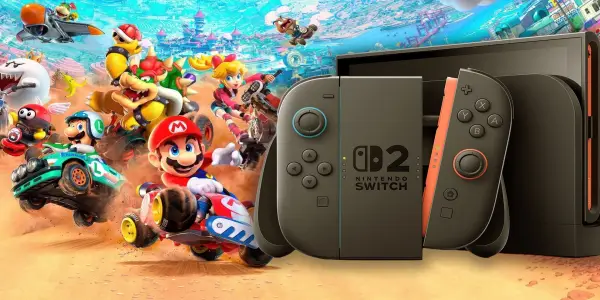
Nintendo Switch 2 showcases significant advancements in gaming technology, enhancing user experience and performance since its launch.
In-depth analysis
How the technology works
The Nintendo Switch 2 utilizes a custom T processor paired with a dedicated system-on-chip (SoC) that enhances its graphical capabilities. Technologies like DLSS allow for real-time upscaling, improving visual fidelity and performance. This architecture supports more complex game designs, enabling developers to create richer gaming experiences that were previously unattainable on handheld consoles.
Why this innovation matters
This innovation signifies a crucial advancement in handheld gaming, bridging the performance gap with home consoles. By integrating cutting-edge technologies like DLSS, the Switch 2 enhances gameplay quality, making high-fidelity gaming more accessible to a broader audience.
Who is affected
Gamers are the primary beneficiaries of the Switch 2's advancements, as they gain access to improved graphics and performance in their favorite titles. Developers also stand to benefit, as the new architecture allows for more ambitious game designs and better optimization for the platform.
What could come next
Future developments may include further enhancements in graphical techniques and more sophisticated multiplayer features. As Nintendo continues to refine its approach, the potential for innovative titles and improved user experiences remains high.
Did you know?
How this will change your life
The Nintendo Switch 2 transforms the gaming experience by merging high-quality graphics with portability. Gamers can now explore visually stunning worlds like Cyberpunk 2077 on the go, making it feasible to enjoy immersive gameplay during commutes or while traveling. The enhanced performance means less frustration with lag and more time lost in engaging stories, reshaping daily entertainment routines.
The tech secret
One surprising aspect of the Switch 2 is its custom T processor, which allows for real-time graphics enhancements through DLSS technology. This means that even demanding games can run smoothly on the handheld device, utilizing upscaling techniques that deliver impressive visuals without the need for high native resolutions.
The human behind the innovation
Meet Yuki Tanaka, a lead engineer at Nintendo, who played a pivotal role in the development of the Switch 2's custom SoC. Growing up in rural Japan, Yuki spent countless hours playing video games on older consoles, dreaming of creating systems that could bring experiences to life. His passion drove him to study computer engineering, where he focused on graphics optimization. Yuki recalls the thrill of seeing the first successful DLSS demo on the Switch 2, feeling a profound connection to his childhood as he realized he was helping to forge the future of gaming. His dedication to enhancing portable gaming has not only pushed technological boundaries but also made gaming more accessible and enjoyable for players around the world.
Expert Commentary

Endnight Games Unveils Forest 3 at The Game...
Pixel 10 Users Share Mixed Reviews After One...
Exploring the Multiple Endings of The Outer...
Microsoft's Copilot Actions Raises Security...

Croc Legend of the Gobbos: Platinum Edition...
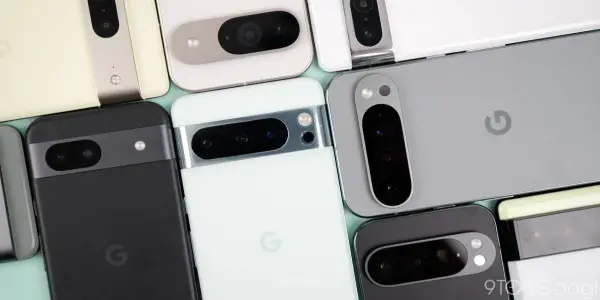
Google Unveils Second December 2025 Update for...

The Risks of Oversharing with AI: Legal and...

Excitement Builds for Metroid Prime 4 After...

Microsoft Addresses Security Flaw in Copilot AI...
Microsoft Faces Stock Pressure as Analysts...
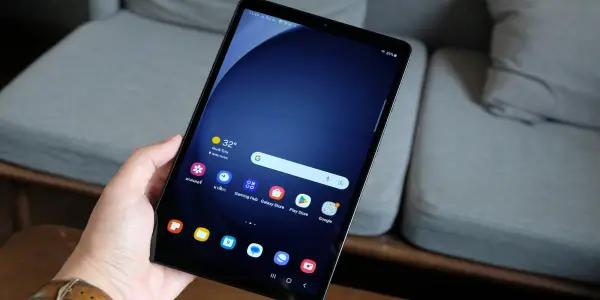
Top Affordable Android Tablet Options to Compete...

Comparing the Best in Headphones: Bose QC Ultra...
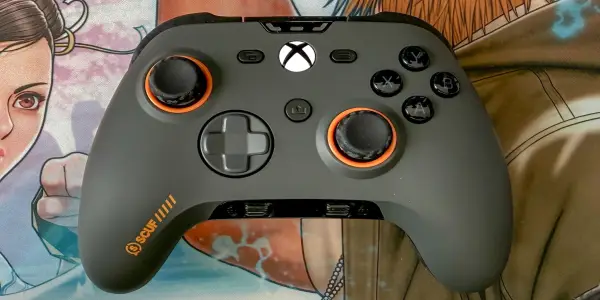
Scuf Valor Pro Wireless Controller: A...

Ottocast Unveils Innovative CarPlay AI Box and...
Bungie Removes Controversial Unstable Cores from...

Reviving Nostalgia: Modern Bluetooth CD Players...
Apple's M5 Chip Significantly Enhances Local LLM...
Comparing the Samsung Galaxy XR, Apple Vision...
Google Enhances Cameyo to Streamline Windows App...
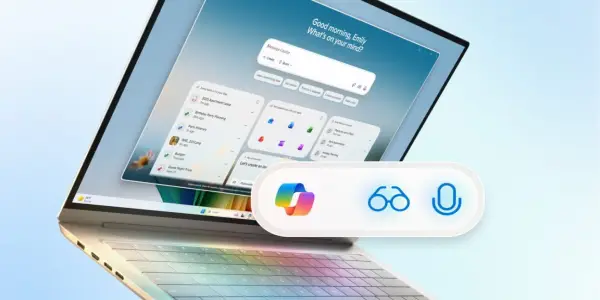
Microsoft Reimagines AI Integration in Windows...

Even Realities Introduces G2 Smart Glasses with...
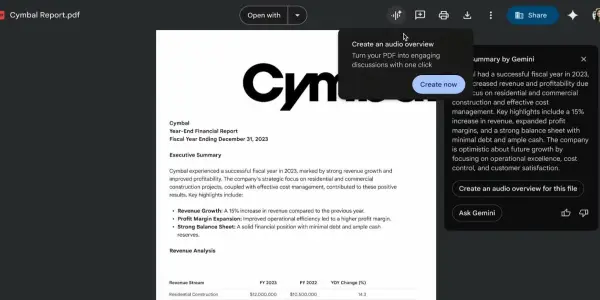
Google Drive Enhances PDF Experience with...
ASUS ROG Xbox Ally X Sells Out Amidst Controversy...

Exclusive Black Friday Offer: Oura Ring 4...

GM Technician Faces Significant Depreciation...
Google Messages Initiates Testing of @mentions...

December 2025 Google System Updates: Key...

Battlefield 6 Launch: Bugs, Issues, and...

Vampire: The Masquerade - Bloodlines 2 Receives...
Asus Unveils Redesigned ROG Zephyrus Duo at CES...
Google Unveils Quantum Echoes Algorithm,...
Deadline Approaches for Windows 10 Users: How to...

Weekly Cybersecurity Update: Active WSUS...
Google Enhances AI Studio with New Features to...
Celebrating Nintendo: The Top 100 Games of All...
Steam Next Fest October 2025 Launches with an...

Tim Cook Hints at Commemorative Plans for Apple's...
Google Warns Against Creating 'Bite-Sized'...