New AI-Driven Worm Poses Significant Cybersecurity Risks, Researchers Warn
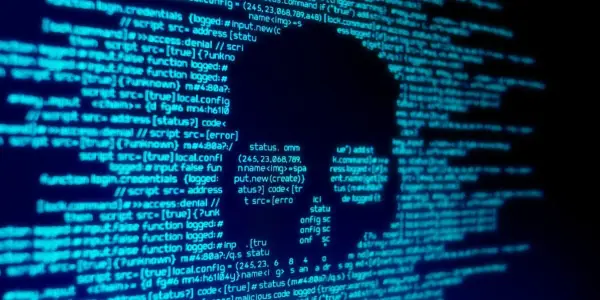
A team of experts reveals an AI worm capable of self-replication and network takeover, raising alarms in the cybersecurity landscape.
In-depth analysis
How the technology works
The self-replicating AI-driven worm utilizes an open-source AI model to identify and exploit vulnerabilities across various operating systems, including Linux and Windows. By autonomously replicating itself, it can infiltrate networks without human intervention, spreading through shared connections like Wi-Fi. This adaptability allows it to dynamically assess and target unique security flaws.
Why this innovation matters
This innovation poses a serious threat to cybersecurity, as it represents a significant advancement in malware sophistication, enabling attacks that are more stealthy and adaptable than traditional methods.
Who is affected
Organizations across various sectors that rely on interconnected devices are at risk, as every internet-connected gadget can potentially be exploited by this worm. This includes corporate networks, IoT systems, and personal devices, amplifying the threat landscape.
What could come next
As AI models continue to evolve, the speed and efficiency of such worms are likely to increase, prompting an urgent need for enhanced cybersecurity measures to mitigate the risks associated with these advanced threats.
Did you know?
How this will change your life
The rise of self-replicating AI worms could directly impact daily life by compromising personal devices and networks. Imagine receiving sensitive notifications like bank alerts or health updates, only to find your information has been intercepted. As homes become smarter with IoT devices, the potential for widespread disruption is real, affecting everything from home security systems to personal privacy.
The tech secret
This AI worm can autonomously identify and exploit vulnerabilities in devices without human interaction. Unlike traditional malware that relies on user actions, its self-replicating nature allows it to spread stealthily across networks, posing a unique challenge for cybersecurity professionals.
The human behind the innovation
Dr. Emily Chen, a lead researcher at the University of Toronto, once faced a cybersecurity crisis when her family's IoT thermostat was hacked, causing a month-long battle to secure their home network. This personal experience fueled her passion for cybersecurity, pushing her to explore how AI could be both a tool for defense and a potential threat. Driven by the desire to protect everyday users like her family, Dr. Chen now advocates for proactive measures in cybersecurity, ensuring her work addresses real-world vulnerabilities that could affect countless households.
Expert Commentary

Endnight Games Unveils Forest 3 at The Game...

Apple's M5 Chip Significantly Enhances Local LLM...

Bungie Reveals Final Ability Changes Ahead of...

Bungie Removes Controversial Unstable Cores from...

Amazon's Cyber Monday Sale Offers Substantial...

Reviving Nostalgia: Modern Bluetooth CD Players...

Comparing the Samsung Galaxy XR, Apple Vision...

Celebrating Nintendo: The Top 100 Games of All...

Sucker Punch Studios Weighs Next Project: A...

Microsoft Addresses Security Flaw in Copilot AI...

Meta's Ray-Ban Smart Glasses: Innovation Meets...

Pixel 10 Pro Fold Faces Durability Challenges in...

Comparing the Best in Headphones: Bose QC Ultra...
Pixel 10 Users Share Mixed Reviews After One...

CD Projekt Red Aims for Three Witcher Sequels in...

Fujifilm X-T30 III receives its very first...

LG B5 65-Inch 4K OLED TV Available at Black...

Battlefield 6 Movement Debate: Bridging the Gap...

Microsoft Addresses Security Risks with November...

Target and Walmart Confirm Continued Support for...

Apple Hints at Upcoming MacBook Pro Launch Amid...

Even Realities Introduces G2 Smart Glasses with...

American Airlines Expands Digital Options with...

Destiny 2's Renegades Expansion Trailer Leaks...

Alienware Kicks Off Early Black Friday Sale with...

Clair Obscur Expedition 33: A Reflection on...

Google Messages Initiates Testing of @mentions...

December 2025 Google System Updates: Key...

Exclusive Black Friday Offer: Oura Ring 4...

Top Android Phones to Avoid in 2025 and...

Timothée Chalamet Reflects on His Memorable...

Nintendo Switch 2 and Original Switch Receive...

Comprehensive Guide to Unlocking Weapons in...
Google Drive Enhances PDF Experience with...

Ultramarathoner Kevin Humphrey Battles Stage IV...

Google Warns Against Creating 'Bite-Sized'...

Apple's iOS 26.2 Beta Introduces Option for...

Microsoft Tightens Security on IE Mode Following...

Microsoft's Copilot Actions Raises Security...

Tim Cook Hints at Commemorative Plans for Apple's...