Google's Pixel 11 Series May Feature Tensor G6 Chipset with Mixed Performance Insights
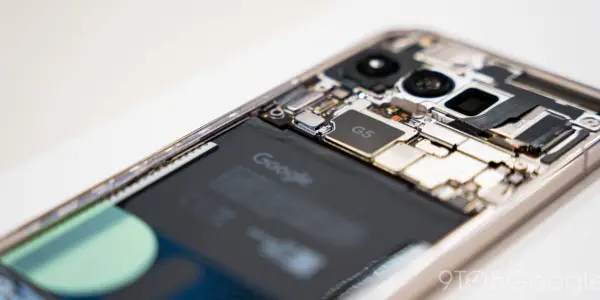
New details about Google's Pixel 11 series suggest a powerful Tensor G6 chipset, yet concerns arise over its outdated GPU technology.
In-depth analysis
How the technology works
The Tensor G6 chipset features a combination of advanced ARM CPU cores, including a 3 GHz Cortex-X1 Ultra core, alongside multiple Cortex-A cores. This architecture aims to enhance processing efficiency while supporting better power management. However, concerns arise from its GPU, which may utilize older technology, potentially limiting graphics performance.
Why this innovation matters
The Tensor G6's advancements in CPU architecture reflect Google's commitment to competitive smartphone performance, addressing consumer demands for efficiency and speed.
Who is affected
Consumers seeking high-performance smartphones will be directly impacted by the Tensor G6's capabilities. Gamers and multimedia users, in particular, may find the chipset's potential GPU limitations disappointing compared to rivals, influencing their purchasing decisions.
What could come next
As the launch of the Pixel 11 series approaches, further details about the Tensor G6 are anticipated. Analysts will assess whether the CPU improvements can compensate for the GPU's shortcomings in real-world usage.
Did you know?
How this will change your life
The Tensor G6 chipset's enhanced power efficiency could mean longer battery life for your Pixel 11, allowing you to stay connected without constantly hunting for a charger. With improved processing capabilities, tasks like photo editing or app multitasking will feel smoother, making daily activities more enjoyable. However, if you're a gamer or enjoy high-quality video streaming, the GPU limitations may affect your experience.
The tech secret
The Tensor G6 will feature an ARM Cortex-X1 Ultra core, capable of clock speeds up to 3 GHz. This is significant because it’s among the fastest cores available, which can drastically improve processing tasks like AI computations and real-time image processing, setting a new benchmark for Google's smartphone performance.
The human behind the innovation
Meet Dr. Alice Renaud, a lead engineer at Google who has been pivotal in developing the Tensor chipsets. With a background in AI from MIT, Dr. Renaud has a personal connection to the technology, as she grew up in a small town where access to advanced tech was limited. Her vision is to empower users with tools that enhance their daily lives, echoing her childhood dream of making cutting-edge technology accessible to everyone. Driven by her passion, she believes that innovations like the Tensor G6 can bridge the gap between high-end performance and user-friendly design.
Expert Commentary

Where Winds Meet: A Grand Exploration of Ancient...
Significant Black Friday Discounts on AirPods:...

Even Realities Introduces G2 Smart Glasses with...

Top PS5 Accessory Discounts for Black Friday...

Chevrolet Corvette ZR1 Shatters Lap Record at...
Apple Unveils New Features in iOS 26.2 Beta 3

Bethesda Celebrates Fallout: New Vegas' 15th...
Apple's M5 Chip Significantly Enhances Local LLM...

Beware of These 12 Android Apps That May Record...

Bethesda Explores the Future of Fallout Amid...

Essential USB-Compatible Gadgets to Enhance Your...

Current iPhone Black Friday Offers: Best Deals on...
Rising Memory Costs Dampen PC Building Prospects...
Discover 10 Lesser-Known Free Android Apps Worth...

DJI Launches Osmo Action 6, Raising the Bar for...
MediaTek Unveils Next-Gen Chipset for...

Reviving Nostalgia: Modern Bluetooth CD Players...

Pokémon Legends Z-A Update 1.0.3 Released with...

Microsoft Faces Stock Pressure as Analysts...

Borderlands 4 Launches Free DLC: Bounty Pack 1 -...

Valve Teases New Half-Life Content Amid Fan...

Disney and Google Dispute Affects Movies...

Apple's Upcoming iPhone 18 Lineup May Signal...

Google Messages Initiates Testing of @mentions...

Apple Set to Unveil Major Overhaul of Health App...
Top Android Phones to Avoid in 2025 and...

Comparing the Best in Headphones: Bose QC Ultra...

T-Mobile to Introduce Charges for Apple TV Perk...

Celebrating Nintendo: The Top 100 Games of All...

Speculation Grows Around Possible Half-Life 3...

Nintendo Announces Price Reductions for Upcoming...

Apex Legends Unveils Wildcard Mode Ahead of...
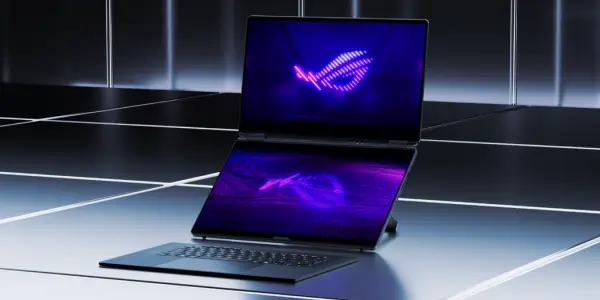
Asus Unveils Redesigned ROG Zephyrus Duo at CES...

Apple to Significantly Reduce iPhone Air...
Google Enhances Cameyo to Streamline Windows App...
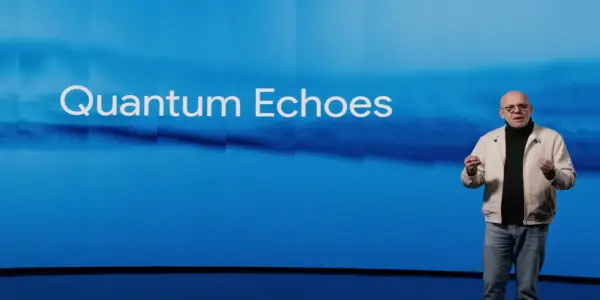
Google Unveils Quantum Echoes Algorithm,...
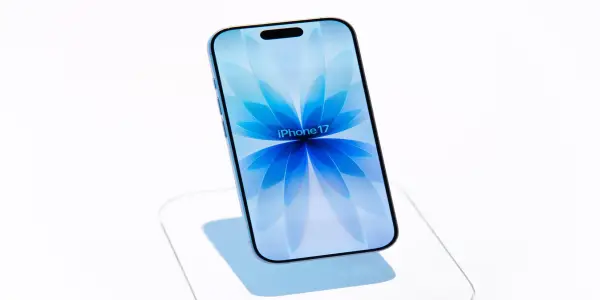
Apple Confirms December Release for Major iOS...

Fujifilm X-T30 III receives its very first...
Understanding the Microphone in Your Smart TV:...
Top Affordable Android Tablet Options to Compete...