Critical Vulnerability in WordPress Allows Unauthenticated Code Execution

Recent patches for WordPress address a severe core vulnerability enabling unauthorized code execution on default installations, affecting millions of sites.
In-depth analysis
How the technology works
The identified vulnerabilities in WordPress stem from issues within the REST API's batch route and a SQL injection flaw. The former allows unauthorized access without authentication, while the latter enables attackers to manipulate database queries, facilitating arbitrary code execution. These weaknesses can be exploited on default installations, highlighting significant security gaps.
Why this innovation matters
This innovation is crucial as it underscores the persistent security challenges facing popular platforms like WordPress, impacting millions of users who rely on its content management capabilities.
Who is affected
The vulnerabilities affect over 40 million active WordPress installations, putting website owners, developers, and users at risk of unauthorized access and potential data breaches, particularly those using default settings.
What could come next
In response to these vulnerabilities, it is likely that WordPress will expedite security updates and enhance its vulnerability assessment processes to better protect users from future threats.
Did you know?
How this will change your life
If you use WordPress for your website, this vulnerability could directly impact you. Unauthorized attackers can execute harmful code without needing a password, putting your data and site integrity at risk. This means immediate action is required: updating your WordPress installation is essential to protect your content and maintain your online presence.
The tech secret
The wp2shell vulnerability allows attackers to exploit default WordPress installations using two separate flaws, enabling unauthorized code execution. Surprisingly, this means that even sites with no additional plugins can be affected, raising the stakes for millions of users who may not be aware of the risks.
The human behind the innovation
Meet Sarah Halvorsen, a small business owner who built her online store using WordPress. After learning about the wp2shell vulnerability, she felt a wave of anxiety wash over her. Sarah had poured her heart into her site, crafting every detail. The realization that an attacker could compromise her hard work without her knowledge was alarming. Sarah quickly updated her site and shared her newfound knowledge with fellow entrepreneurs, emphasizing the importance of cybersecurity. Her proactive approach not only safeguarded her business but also fostered a community commitment to online safety.
Expert Commentary


Ranking the Top-Rated Games: A Comprehensive...
MediaTek Unveils Next-Gen Chipset for...
Apple's iOS 26.2 Beta Introduces Option for...
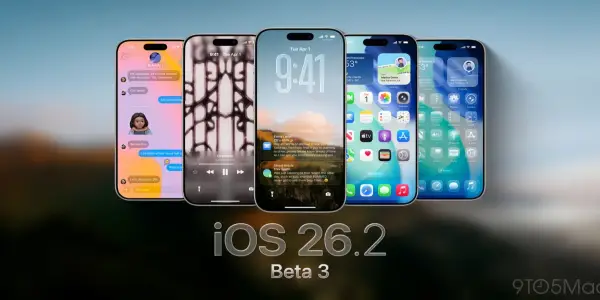
Apple Unveils New Features in iOS 26.2 Beta 3

Apple Confirms December Release for Major iOS...
Valve's Steam Machine: A Potential Game Changer...

Apple's M5 Chip Significantly Enhances Local LLM...
Upcoming amiibo Releases for 2025–2026: Mario...
Pokémon Legends Z-A Update 1.0.3 Released with...

Chevrolet Corvette ZR1 Shatters Lap Record at...
Top Android Phones to Avoid in 2025 and...
December 2025 Google System Updates: Key...

Urgent Microsoft Security Update Required for...
Lenovo's CEO Addresses AI Concerns at CES,...

Fujifilm X-T30 III receives its very first...

Keanu Reeves Expresses Desire to Reprise Role of...

Top PS5 Accessory Discounts for Black Friday...
Google AI Pro Expands Storage to 5 TB Without...
Nintendo Announces Price Reductions for Upcoming...
Valve Teases New Half-Life Content Amid Fan...

Nintendo Unveils Development Journey of Metroid...

Current iPhone Black Friday Offers: Best Deals on...

Google's Gemini Initiative to Revitalize...
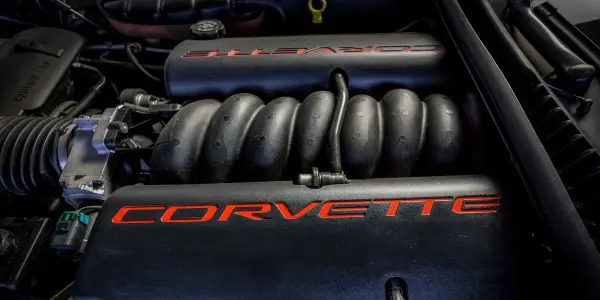
The Role of Steam Tubes in LS Engines Explained

Celebrating 25 Years of PlayStation 2: A Landmark...

Exclusive Black Friday Offer: Oura Ring 4...
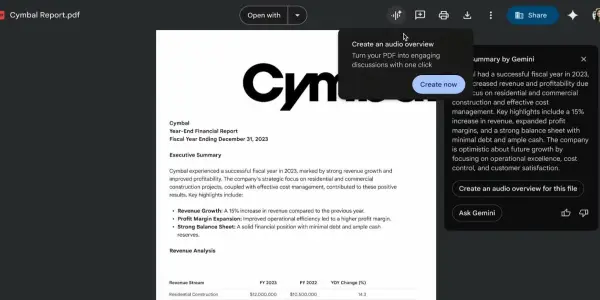
Google Drive Enhances PDF Experience with...

Significant Black Friday Discounts on AirPods:...
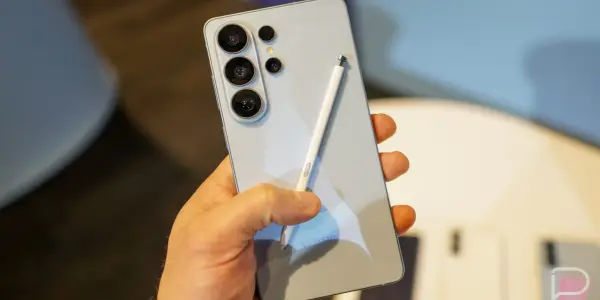
Samsung's Galaxy S26 Ultra Lacks Integrated Qi2...
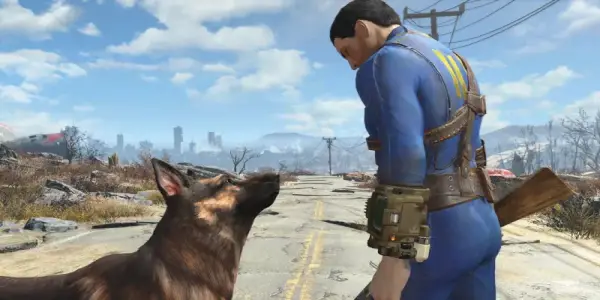
Bethesda Explores the Future of Fallout Amid...
Apple Expands Satellite Connectivity Features for...

Netflix to Develop Animated Series Featuring...
Bungie Reveals Final Ability Changes Ahead of...

Comparing the Samsung Galaxy XR, Apple Vision...
Bethesda Celebrates Fallout: New Vegas' 15th...

T-Mobile to Introduce Charges for Apple TV Perk...

Where Winds Meet: A Grand Exploration of Ancient...
Google's Pixel 11 Series May Feature Tensor G6...
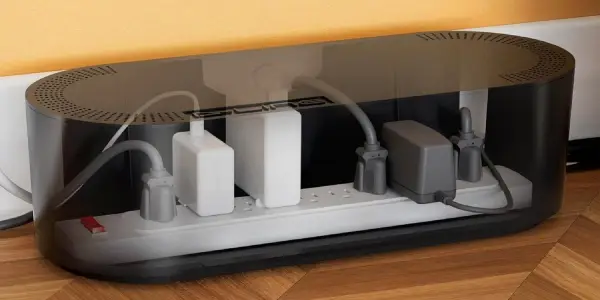
Transform Your Workspace with the D-Line Cable...