Microsoft Introduces Azure Linux 4.0, a Tailored Distro for Cloud Workloads
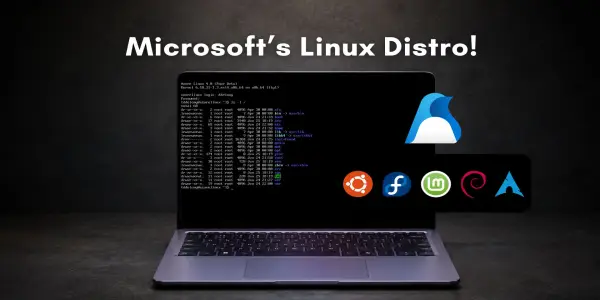
Azure Linux 4.0 is Microsoft's new free Linux distribution for Azure cloud, diverging from Ubuntu and Fedora with a focus on specialized server applications.
In-depth analysis
How the technology works
Azure Linux 4.0 is built on the Fedora framework and utilizes the RPM package management system. Designed specifically for cloud workloads, it provides a streamlined, text-based environment optimized for server operations. This version replaces unnecessary components with a minimalistic design, enhancing security and efficiency while supporting Microsoft's cloud services like Azure SQL and Azure Cosmos.
Why this innovation matters
This innovation signifies a pivotal shift in Microsoft's approach to open-source software, highlighting its commitment to cloud computing and the growing relevance of Linux in enterprise environments.
Who is affected
Developers and enterprises, particularly in regulated industries such as finance and healthcare, will benefit from Azure Linux 4.0. The distribution aims to streamline application deployment and enhance compliance with industry standards, addressing specific needs in cloud infrastructure.
What could come next
Future developments may include further enhancements to Azure Linux, as Microsoft refines its cloud offerings. This could lead to increased integration with existing services and more robust tools for developers working in hybrid environments.
Did you know?
How this will change your life
With Azure Linux 4.0, businesses can expect faster and more secure cloud service deployments. This streamlined OS is tailored for efficiency, meaning your applications can run smoother with fewer interruptions. For IT teams, this translates to reduced maintenance time and enhanced compliance, crucial for industries like finance and healthcare. Everyday users might benefit indirectly through improved services and applications powered by this robust platform.
The tech secret
Azure Linux 4.0 utilizes the DNF5 package manager, which not only boosts performance but also allows for easier dependency resolution. This feature was largely inspired by the growing need for agility in cloud environments, helping streamline updates without the usual complexities associated with package management.
The human behind the innovation
Meet Laura Chen, a software engineer at Microsoft who played a pivotal role in developing Azure Linux 4.0. Initially skeptical about Linux due to industry biases, Laura's perspective shifted after witnessing its potential in cloud applications. She recalls long nights spent optimizing the OS for security, driven by a passion for creating reliable solutions for healthcare clients. Her team faced numerous challenges, but the thought of improving patient data security motivated them. Now, Laura feels a deep sense of pride knowing their work directly enhances compliance and efficiency for such critical sectors.
Expert Commentary
The launch of Azure Linux 4.0 signifies a pivotal moment for Microsoft, illustrating a profound transformation in its relationship with open-source software. By creating a tailored Linux distribution for cloud environments, the company acknowledges the necessity of optimizing performance and security in increasingly complex cloud infrastructures. This move not only aligns Microsoft with industry leaders like Amazon and Google but also reinforces its commitment to providing robust, compliant solutions for enterprises. As organizations navigate the digital landscape, Microsoft's embrace of Linux reflects a broader trend toward flexibility and efficiency, positioning it as a key player in the ongoing evolution of cloud computing.

Discover 10 Lesser-Known Free Android Apps Worth...

Upcoming amiibo Releases for 2025–2026: Mario...

Google's Pixel 11 Series May Feature Tensor G6...

Top Affordable Android Tablet Options to Compete...

LG B5 65-Inch 4K OLED TV Available at Black...

Google Issues Urgent Patch for High-Severity...

Comparing the Samsung Galaxy XR, Apple Vision...

December 2025 Google System Updates: Key...

Apple Confirms December Release for Major iOS...

Google Messages Initiates Testing of @mentions...

Google Rolls Out Android 16 Part Two Update for...

Highlights from the ID@Xbox Showcase: October...

Vampire: The Masquerade - Bloodlines 2 Receives...

GM Technician Faces Significant Depreciation...

Microsoft's Copilot Actions Raises Security...

Limited-Time Offer: Refurbished MacBook Pro...

Google Enhances Cameyo to Streamline Windows App...

T-Mobile to Introduce Charges for Apple TV Perk...

Nintendo Unveils First-Ever Physical Soundtrack...

Bethesda Celebrates Fallout: New Vegas' 15th...

Celebrating Nintendo: The Top 100 Games of All...

Google AI Pro Expands Storage to 5 TB Without...

Fujifilm X-T30 III receives its very first...


Excitement Builds for Metroid Prime 4 After...

Tim Cook Hints at Commemorative Plans for Apple's...

Valve's Steam Machine: A Potential Game Changer...

Understanding the Microphone in Your Smart TV:...

Beware of These 12 Android Apps That May Record...

The Role of Steam Tubes in LS Engines Explained
Microsoft Addresses Security Risks with November...

Four Surprising Vehicles Equipped with Toyota's...

Chevrolet Corvette ZR1 Shatters Lap Record at...

Battlefield 6 Crossplay Dilemma: PS5 Players Torn...

Sony Moves to Halt Fan-Led Revival of Concord...

Google Warns Against Creating 'Bite-Sized'...


Apple's M5 Chip Significantly Enhances Local LLM...

Essential USB-Compatible Gadgets to Enhance Your...

Microsoft Addresses Security Flaw in Copilot AI...