Comparing the Samsung Galaxy XR, Apple Vision Pro, and Meta Quest 3: Which Headset Fits Your Needs?
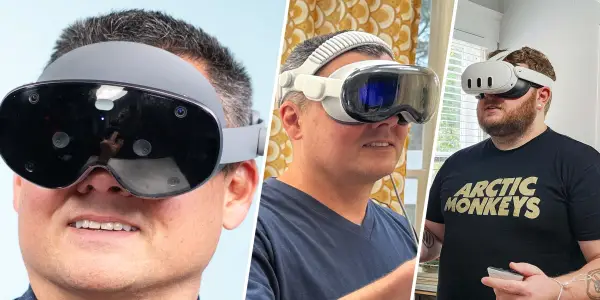
Explore the strengths and weaknesses of the Samsung Galaxy XR, Apple Vision Pro, and Meta Quest 3 to discover which mixed-reality headset is right for you.
In-depth analysis
How the technology works
The technology behind these mixed-reality headsets varies significantly. The Apple Vision Pro utilizes the powerful M5 chip for advanced mixed-reality applications, while the Samsung Galaxy XR and Meta Quest 3 are powered by Snapdragon XR2 chips, optimizing them for mobile performance. Each headset incorporates unique AI features that enhance user interaction and environment recognition.
Why this innovation matters
This innovation is crucial as it represents a significant leap in user experience, making mixed-reality technology more accessible and tailored to diverse consumer needs. It highlights the ongoing competition among tech giants to redefine digital interaction.
Who is affected
Consumers are directly impacted by these developments, facing choices between high-end and budget-friendly options that cater to different preferences. Gamers, professionals, and casual users alike will find varying levels of comfort and functionality in these devices, influencing their purchasing decisions.
What could come next
Future advancements may include the emergence of a 'killer app' for the Vision Pro, which could enhance its appeal. Additionally, ongoing improvements in AI and software could further bridge the gap between high-end and affordable models, shaping the mixed-reality landscape.
Did you know?
How this will change your life
Choosing the right mixed-reality headset can transform how you interact with digital content daily. Whether it's enjoying immersive gaming, attending virtual meetings, or even exploring educational apps, the right device enhances productivity and entertainment. With options ranging from budget-friendly to premium, users can tailor their experiences to fit their lifestyle, making advanced technology accessible for everything from work to leisure.
The tech secret
While many focus on the immersive visuals of mixed-reality headsets, a surprising fact is that the Meta Quest 3's AI features not only improve user interaction but can also predict user preferences based on previous activities. This makes the device more intuitive, adapting to individual needs over time, a feature that many users may overlook.
The human behind the innovation
Meet Dr. Emily Chen, a lead engineer at Meta who played a pivotal role in developing the AI capabilities of the Quest 3. Growing up in a small town, Emily found her passion for technology when she created a simple VR game as a teenager. This personal project ignited her desire to make VR accessible for everyone. Today, she believes that her work can empower users to connect in ways they never thought possible. Emily often shares how her own experiences with VR inspired her commitment to creating an inclusive platform that fosters creativity and community.

Google Rolls Out Android 16 Part Two Update for...

Weekly Cybersecurity Update: Active WSUS...

Microsoft Addresses Security Flaw in Copilot AI...

Borderlands 4 Launches Free DLC: Bounty Pack 1 -...

Even Realities Introduces G2 Smart Glasses with...

Sucker Punch Studios Weighs Next Project: A...
DJI Launches Osmo Action 6, Raising the Bar for...

Microsoft Addresses Security Risks with November...

Tekken 8 Unveils Version 2.06 Patch Notes Ahead...

CD Projekt Red Aims for Three Witcher Sequels in...

Google Drive Enhances PDF Experience with...

Samsung's Alterations to Android Notifications...

Endnight Games Unveils Forest 3 at The Game...

Google Issues Urgent Patch for High-Severity...

Valve Teases New Half-Life Content Amid Fan...
Exclusive Black Friday Offer: Oura Ring 4...

Vampire: The Masquerade - Bloodlines 2 Receives...

Croc Legend of the Gobbos: Platinum Edition...

Chevrolet Corvette ZR1 Shatters Lap Record at...

Microsoft's Copilot Actions Raises Security...

LG B5 65-Inch 4K OLED TV Available at Black...

Microsoft's Satya Nadella Envisions an Innovative...

T-Mobile to Introduce Charges for Apple TV Perk...

Microsoft Unveils AI-Powered Photo Grouping...

Revitalize Your Old PlayStation 2: A Guide to...

Fujifilm X-T30 III receives its very first...
Discover 10 Lesser-Known Free Android Apps Worth...

Exploring the Multiple Endings of The Outer...

Tim Cook Hints at Commemorative Plans for Apple's...

Battlefield 6 Movement Debate: Bridging the Gap...

Ultramarathoner Kevin Humphrey Battles Stage IV...

Valve's Steam Machine: A Potential Game Changer...

Exclusive Screenshots of Rare's Everwild Surface,...

Four Surprising Vehicles Equipped with Toyota's...
Apple's iOS 26.2 Beta Introduces Option for...

Destiny 2 Faces Significant Player Decline: A...

Alienware Kicks Off Early Black Friday Sale with...

Battlefield 6 Launch: Bugs, Issues, and...

American Airlines Expands Digital Options with...

Pixel 10 Pro Fold Faces Durability Challenges in...