Microsoft Addresses Security Flaw in Copilot AI Following Data Exfiltration Incident
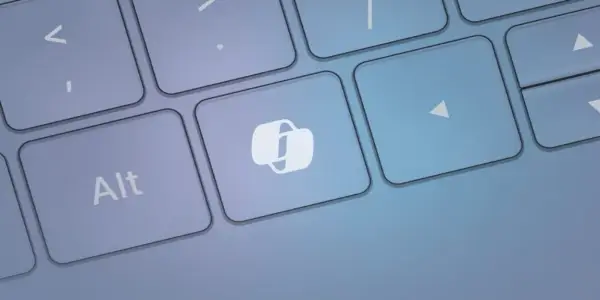
A vulnerability in Microsoft's Copilot AI assistant allowed sensitive user data to be extracted through a single click, prompting immediate security updates.
In-depth analysis
How the technology works
The vulnerability exploited a crafted URL that instructed Microsoft's Copilot AI to execute a prompt containing sensitive user data. This prompt, embedded as a 'q' parameter, allowed attackers to extract personal information from chat histories without requiring additional user interaction after the initial click.
Why this innovation matters
This development is crucial as it underscores the potential risks associated with AI applications, particularly concerning user privacy and data security in increasingly digitized workplaces.
Who is affected
Users of Microsoft's Copilot AI, particularly those in business environments, are directly impacted by this vulnerability. Organizations relying on AI for productivity face heightened risks to sensitive data and overall enterprise security.
What could come next
In response to this incident, businesses may implement stricter security protocols for AI tools. This could lead to enhanced scrutiny of AI applications and a push for more robust protective measures in software development.
Did you know?
How this will change your life
With the patching of the Copilot AI vulnerability, users can feel more secure when interacting with AI tools that are now integral to daily tasks. No longer will individuals worry about sensitive information being easily extracted with a single click. This change fosters confidence in using AI for personal and professional communications, allowing people to focus on productivity without the shadow of data breaches.
The tech secret
The exploit that targeted Microsoft’s Copilot leveraged a specific URL structure that manipulated the AI’s processing of user data. By embedding sensitive information within a 'q' parameter, attackers could extract user details without further interaction, showcasing a sophisticated approach to bypassing traditional security measures.
The human behind the innovation
Dolev Taler, a security researcher at Varonis, played a pivotal role in uncovering the Copilot vulnerability. With a background in ethical hacking, he became passionate about cybersecurity after witnessing a friend's data breach. Taler’s findings not only exposed a critical flaw but also inspired him to advocate for stronger security protocols in AI applications. He believes that as technology evolves, so must our defenses, emphasizing the need for ongoing vigilance to protect user privacy.
Expert Commentary
Honestly? That’s terrifying. Not because it was fancy malware—but because it was just a link. One click, and your chat history is gone. It really makes you wonder how many similar holes are still sitting wide open in these AI tools we’re rushing to adopt. I’m glad Microsoft patched it, but it shouldn’t have shipped like this. We’re so eager to be “AI-first” that we’re skipping the boring but necessary security checks. Trust isn’t built on speed. It’s built on reliability.

Highlights from the ID@Xbox Showcase: October...

T-Mobile to Introduce Charges for Apple TV Perk...
Apple's iOS 26.2 Beta Introduces Option for...

Rising Memory Costs Dampen PC Building Prospects...

Assassin's Creed: Black Flag Resynced Surges in...

Google Messages Initiates Testing of @mentions...

Lenovo's CEO Addresses AI Concerns at CES,...

Google Rolls Out Android 16 Part Two Update for...

Nintendo Announces Price Reductions for Upcoming...

Amazon's Cyber Monday Sale Offers Substantial...
Apple's 14-Inch MacBook Pro with M5 Chip:...

Microsoft Faces Stock Pressure as Analysts...
December 2025 Google System Updates: Key...
Discover 10 Lesser-Known Free Android Apps Worth...

Nintendo Unveils First-Ever Physical Soundtrack...

Valve's Steam Machine: A Potential Game Changer...

Disney and Google Dispute Affects Movies...

Celebrating 25 Years of PlayStation 2: A Landmark...

Battlefield 6 Crossplay Dilemma: PS5 Players Torn...
Google's Pixel 11 Series May Feature Tensor G6...

Comparing the Samsung Galaxy XR, Apple Vision...

Google Unveils Second December 2025 Update for...

Google's Gemini Initiative to Revitalize...

Chevrolet Corvette ZR1 Shatters Lap Record at...
Samsung's Galaxy S26 Ultra Lacks Integrated Qi2...

Exploring the Multiple Endings of The Outer...

Beware of These 12 Android Apps That May Record...

Apple's Upcoming iPhone 18 Lineup May Signal...

Apple's M5 Chip Significantly Enhances Local LLM...

Apex Legends Unveils Wildcard Mode Ahead of...

Fujifilm X-T30 III receives its very first...


Apple Confirms December Release for Major iOS...

Top Android Phones to Avoid in 2025 and...

Keanu Reeves Expresses Desire to Reprise Role of...

Tim Cook Hints at Commemorative Plans for Apple's...

Pokémon Legends Z-A Update 1.0.3 Released with...

Best Buy Unveils Early Black Friday Sales Ahead...

Essential USB-Compatible Gadgets to Enhance Your...