The Future of Work: A Shift Toward Voice-Activated Office Environments

As dictation technology gains traction, the dynamics of office communication are evolving, reshaping how teams interact and collaborate.
In-depth analysis
How the technology works
Voice-activated technologies, such as dictation applications like Wispr, function by converting spoken language into text. These tools are integrated with vibe-coding systems, enabling seamless communication between employees and their devices, thus facilitating a more interactive and dynamic office environment. This shift encourages reliance on verbal commands over traditional typing.
Why this innovation matters
This innovation is significant as it transforms workplace communication, enhancing productivity by allowing employees to focus on creativity rather than manual tasks. It signals a fundamental shift in how work is performed and how technology integrates into daily operations.
Who is affected
Employees across various sectors are directly impacted by the rise of voice-activated technologies, as they adapt to new methods of communication. Employers will also need to consider the implications for workplace design and culture to accommodate these changes effectively.
What could come next
Future developments may include advanced voice recognition systems that further streamline workflows and improve user experience. Additionally, companies may need to innovate their office layouts to mitigate noise and distractions inherent in this new vocal communication era.
Did you know?
How this will change your life
Imagine walking into an office where conversations flow not just between colleagues but also with your devices. Voice-activated technologies like Wispr will allow you to dictate your thoughts seamlessly, freeing you from the confines of typing. This change means less time on mundane tasks and more focus on innovation and collaboration, transforming both productivity and workplace dynamics.
The tech secret
Surprisingly, voice recognition technology has roots dating back to the 1950s, when Bell Labs developed the first system capable of recognizing digits. Today, it has evolved dramatically, with modern applications achieving up to 95% accuracy in natural speech, making it a powerful tool for enhancing workplace communication.
The human behind the innovation
Tanay Kothari, founder of Wispr, grew up in a household where his parents encouraged open dialogue about ideas and creativity. This upbringing instilled in him the belief that communication is key to innovation. Kothari often recalls late-night brainstorming sessions with his friends, where they would vocalize their thoughts to refine their ideas. Today, he channels that experience into his work, aiming to revolutionize how teams collaborate. His vision is not just about technology but about fostering environments where spoken ideas flourish, echoing the spirited discussions of his youth.
Expert Commentary
The rise of voice-activated technologies in the workplace signals a profound transformation in communication dynamics. As employees increasingly turn to dictation tools, the soundscape of offices is set to change drastically. This shift could enhance productivity by allowing workers to focus on higher-level tasks, yet it also introduces challenges related to noise and potential distractions in open environments. Organizations must navigate this delicate balance, adapting their layouts and policies to support vocal interactions while maintaining an atmosphere conducive to concentration. The broader implications extend beyond individual companies, influencing the tech landscape as developers respond to these evolving needs.

Microsoft Addresses Security Flaw in Copilot AI...

Keanu Reeves Expresses Desire to Reprise Role of...

Bethesda Explores the Future of Fallout Amid...

Apple Confirms December Release for Major iOS...

Where Winds Meet: A Grand Exploration of Ancient...

Urgent Microsoft Security Update Required for...

Timothée Chalamet Reflects on His Memorable...
Significant Black Friday Discounts on AirPods:...

Highlights from the ID@Xbox Showcase: October...

Apple Set to Unveil Major Overhaul of Health App...

T-Mobile to Introduce Charges for Apple TV Perk...

Pokémon Legends Z-A Update 1.0.3 Released with...

Nintendo Unveils First-Ever Physical Soundtrack...

XSEED Games Cancels Corpse Party Tetralogy Pack...

Excitement Builds for Metroid Prime 4 After...

Reviving Nostalgia: Modern Bluetooth CD Players...

Nintendo Switch 2 Welcomes 'Orbitals' as an...

Valve's Steam Machine: A Potential Game Changer...

Alienware Kicks Off Early Black Friday Sale with...

Disney and Google Dispute Affects Movies...

Google's Gemini Initiative to Revitalize...

Apple's Upcoming iPhone 18 Lineup May Signal...

Microsoft Addresses Security Risks with November...

Google Warns Against Creating 'Bite-Sized'...

Understanding the Microphone in Your Smart TV:...

Top PS5 Accessory Discounts for Black Friday...

Google Issues Urgent Patch for High-Severity...

Comparing the Samsung Galaxy XR, Apple Vision...

Essential USB-Compatible Gadgets to Enhance Your...
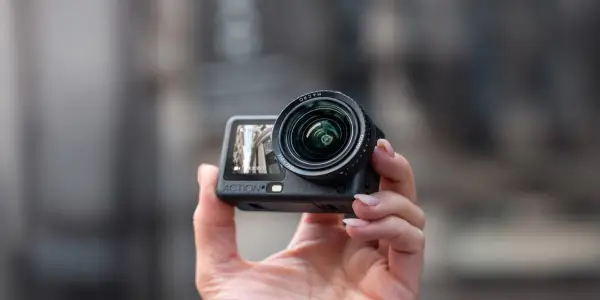
DJI Launches Osmo Action 6, Raising the Bar for...

Netflix to Develop Animated Series Featuring...

Capcom Unveils Pre-Orders for Resident Evil...
MediaTek Unveils Next-Gen Chipset for...

Google Unveils Second December 2025 Update for...

Upcoming amiibo Releases for 2025–2026: Mario...

Best Buy Unveils Early Black Friday Sales Ahead...

Speculation Grows Around Possible Half-Life 3...

Ottocast Unveils Innovative CarPlay AI Box and...