Microsoft Addresses Security Risks with November 2025 Patch Tuesday Updates
Microsoft's November 2025 Patch Tuesday updates address 63 vulnerabilities, including a critical zero-day flaw in the Windows Kernel that allows unauthorized...
In-depth analysis
How the technology works
The zero-day vulnerability, CVE-2025-XXXX, exploits a flaw in the Windows Kernel that allows unauthorized users to gain SYSTEM-level privileges. This occurs due to improper handling of concurrent execution, leading to a race condition that attackers can manipulate to execute malicious actions on affected devices.
Why this innovation matters
This innovation is crucial as it highlights the persistent vulnerabilities within widely used software, emphasizing the need for organizations to adopt proactive cybersecurity measures to safeguard their digital environments.
Who is affected
Organizations using outdated Windows operating systems, such as Windows 7, are particularly vulnerable to exploitation. Additionally, IT professionals managing these systems must navigate the complexities of patch management to protect against emerging threats.
What could come next
Future updates may focus on enhancing security protocols and addressing newly discovered vulnerabilities, as cybersecurity threats evolve. Increased collaboration among tech companies could lead to more comprehensive solutions for safeguarding digital infrastructures.
Did you know?
How this will change your life
The release of Microsoft's November Patch Tuesday updates has direct implications for everyday users. For those still using older versions of Windows, such as Windows 7, this update is crucial. It provides a temporary shield against active threats, helping to prevent unauthorized access to personal data, financial information, and sensitive files. By addressing vulnerabilities, users can feel more secure in their daily digital activities, from online banking to remote work.
The tech secret
The zero-day vulnerability CVE-2025-XXXX stems from a race condition in the Windows Kernel, a technical flaw that allows attackers to gain SYSTEM-level access. Surprisingly, this type of flaw is often overlooked in routine security assessments, highlighting the complexity of modern software and the need for continual vigilance to protect against evolving threats.
The human behind the innovation
Meet Sarah Nguyen, a 29-year-old cybersecurity analyst at Microsoft. After facing a personal data breach a few years ago, she became passionate about improving digital safety. Sarah played a critical role in identifying the zero-day vulnerability CVE-2025-XXXX. Her team's quick response not only protects millions of users but also reflects her dedication to ensuring that no one else experiences the anxiety she felt during her own breach. For Sarah, every patch released is a personal mission to enhance global cybersecurity.

Exclusive Black Friday Offer: Oura Ring 4...

Ultramarathoner Kevin Humphrey Battles Stage IV...

Amazon's Cyber Monday Sale Offers Substantial...
Apex Legends Unveils Wildcard Mode Ahead of...
Apple Set to Unveil Major Overhaul of Health App...
Google Rolls Out Android 16 Part Two Update for...
Google's Pixel 11 Series May Feature Tensor G6...
Microsoft Faces Stock Pressure as Analysts...
Google Unveils Second December 2025 Update for...
Bethesda Explores the Future of Fallout Amid...
Pokémon Legends Z-A Update 1.0.3 Released with...

Even Realities Introduces G2 Smart Glasses with...
Netflix to Develop Animated Series Featuring...
Chevrolet Corvette ZR1 Shatters Lap Record at...
Apple's Upcoming iPhone 18 Lineup May Signal...
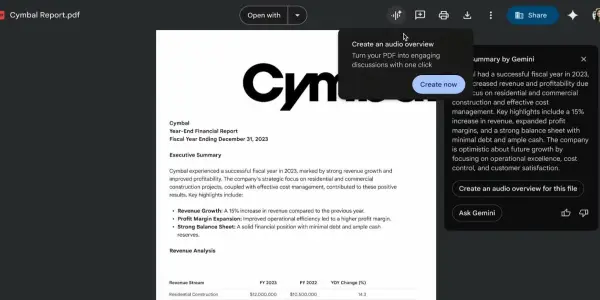
Google Drive Enhances PDF Experience with...

Top PS5 Accessory Discounts for Black Friday...

Comparing the Best in Headphones: Bose QC Ultra...
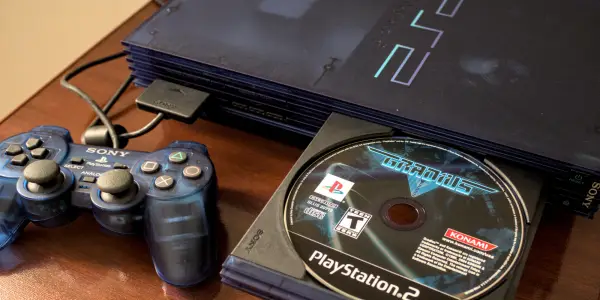
Revitalize Your Old PlayStation 2: A Guide to...
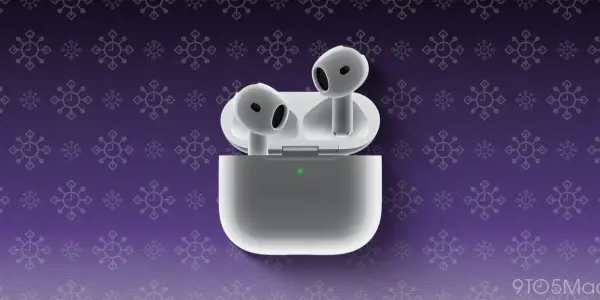
Significant Black Friday Discounts on AirPods:...
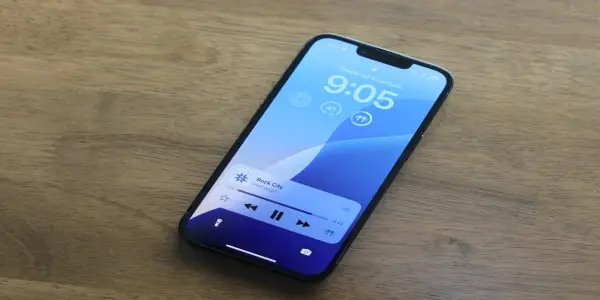
Apple Expands Satellite Connectivity Features for...
Microsoft's Copilot Actions Raises Security...

Valve Teases New Half-Life Content Amid Fan...
Alienware Kicks Off Early Black Friday Sale with...

Tim Cook Hints at Commemorative Plans for Apple's...
Lenovo's CEO Addresses AI Concerns at CES,...
Google Messages Initiates Testing of @mentions...
Nintendo Switch 2 and Original Switch Receive...
Asus Unveils Redesigned ROG Zephyrus Duo at CES...

Where Winds Meet: A Grand Exploration of Ancient...
Nintendo Unveils Development Journey of Metroid...
Understanding the Microphone in Your Smart TV:...
Google Enhances Cameyo to Streamline Windows App...
Celebrating Nintendo: The Top 100 Games of All...
Microsoft Addresses Security Flaw in Copilot AI...

XSEED Games Cancels Corpse Party Tetralogy Pack...
Samsung's Galaxy S26 Ultra Lacks Integrated Qi2...
Celebrating 25 Years of PlayStation 2: A Landmark...