Google's May 2026 Update Introduces Anti-Rollback Feature for Pixel Devices
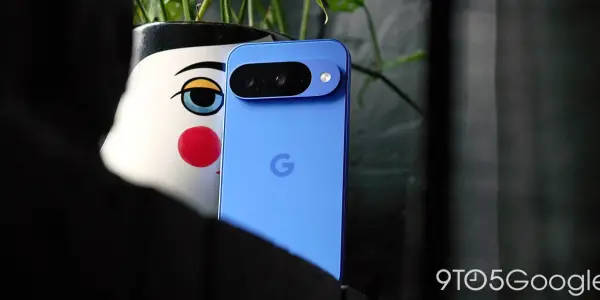
Google's latest update for Pixel 10 series devices prevents users from reverting to older Android versions, enhancing security but complicating recovery.
In-depth analysis
How the technology works
The May 2026 update for the Pixel 10 series introduces an anti-rollback feature that prevents users from downgrading to previous bootloader versions. This mechanism is designed to enhance device security by blocking access to older Android versions, which may harbor vulnerabilities. The update increments the anti-rollback version, ensuring devices cannot revert without risking failure.
Why this innovation matters
This innovation is crucial for enhancing device security, as it reduces the risk of vulnerabilities associated with outdated software. By preventing downgrades, Google aims to protect users from known exploits present in older firmware.
Who is affected
Users of the Pixel 10 series, including the Pixel Pro, Pro XL, and Pro Fold, are directly impacted by this update. Those who might wish to revert to older Android versions after encountering issues with new updates face potential lockouts and unbootable devices.
What could come next
Future updates may see further enhancements to security protocols, potentially increasing restrictions on user control over firmware. This trend could lead to ongoing discussions about balancing security measures with user flexibility in managing device software.
Did you know?
How this will change your life
With Google's latest update, Pixel users may find their devices more secure, but they also face limitations on software flexibility. For those accustomed to downgrading after a troublesome update, this means no quick fixes. Imagine a user, Sarah, who relies on her Pixel for work; if she encounters issues after the May update, she could be left with a malfunctioning device, disrupting her daily tasks and productivity.
The tech secret
Many users may not realize that the anti-rollback feature isn't just a software barrier; it's a crucial security measure designed to prevent exploitation of known vulnerabilities. This means that by restricting access to older bootloader versions, Google is actively reducing the risk of cyberattacks that target outdated systems.
The human behind the innovation
Leading the charge on this update is Clara Kim, a software engineer at Google with a passion for cybersecurity. Clara, who once faced a significant data breach on her personal device, is deeply motivated by her experiences. Her commitment to enhancing user security stems from a desire to protect others from similar threats. Clara often recounts how that incident fueled her drive to innovate, ensuring that devices remain resilient against emerging vulnerabilities. Her team’s work on the anti-rollback feature reflects her dedication to creating safer digital environments for millions.
Expert Commentary

Ranking the Top-Rated Games: A Comprehensive...

Where Winds Meet: A Grand Exploration of Ancient...
Understanding the Microphone in Your Smart TV:...

Bethesda Explores the Future of Fallout Amid...

Sony Moves to Halt Fan-Led Revival of Concord...
Significant Black Friday Discounts on AirPods:...
Apple's iOS 26.2 Beta Introduces Option for...

Samsung's Galaxy S26 Ultra Lacks Integrated Qi2...

Weekly Cybersecurity Update: Active WSUS...

Google's Gemini Initiative to Revitalize...

Ultramarathoner Kevin Humphrey Battles Stage IV...
Highlights from the ID@Xbox Showcase: October...
Microsoft's Satya Nadella Envisions an Innovative...

Exclusive Black Friday Offer: Oura Ring 4...

Top PS5 Accessory Discounts for Black Friday...
Google Warns Against Creating 'Bite-Sized'...

Nintendo Announces Price Reductions for Upcoming...

Google Messages Initiates Testing of @mentions...

Celebrating 25 Years of PlayStation 2: A Landmark...

Capcom Unveils Pre-Orders for Resident Evil...
Microsoft Addresses Security Risks with November...

Discover 10 Lesser-Known Free Android Apps Worth...

Google Issues Urgent Patch for High-Severity...

Rising Memory Costs Dampen PC Building Prospects...

Assassin's Creed: Black Flag Resynced Surges in...
Apple Expands Satellite Connectivity Features for...

Even Realities Introduces G2 Smart Glasses with...

Transform Your Workspace with the D-Line Cable...

Google Unveils Quantum Echoes Algorithm,...

Comparing the Best in Headphones: Bose QC Ultra...

Battlefield 6 Crossplay Dilemma: PS5 Players Torn...

Amazon's Cyber Monday Sale Offers Substantial...

Apex Legends Unveils Wildcard Mode Ahead of...

Tim Cook Hints at Commemorative Plans for Apple's...

DJI Launches Osmo Action 6, Raising the Bar for...

Borderlands 4 Launches Free DLC: Bounty Pack 1 -...

Speculation Grows Around Possible Half-Life 3...
The Future of Xbox Exclusives: Navigating...

Nintendo Unveils First-Ever Physical Soundtrack...