MIT Researchers Develop Transformative Material Inspired by Kirigami Art
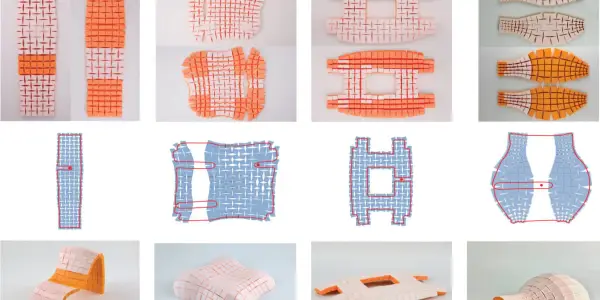
A new material, inspired by the Japanese art of kirigami, can morph into various 3D shapes through a simple pull of a string, offering potential applications in multiple fields.
In-depth analysis
How the technology works
The MIT researchers developed a material that transforms into various 3D shapes by manipulating a string. This process is based on an algorithm that mimics kirigami cutting techniques, encoding the material with unique properties. The auxetic mechanism allows the structure to expand when stretched, while the algorithm optimizes string paths to minimize friction during transformation.
Why this innovation matters
This innovation holds significant potential for diverse applications, particularly in portable medical devices and adaptable structures. Its ability to create complex shapes from simple actions could redefine design approaches across multiple industries.
Who is affected
Healthcare professionals could benefit from more effective medical devices, while engineers and designers in aerospace and architecture may find new methods for creating adaptable structures. Additionally, researchers in material science will be inspired by this intersection of art and technology.
What could come next
Future developments may focus on scaling the technology for larger applications and overcoming engineering challenges. Continued research could lead to even more versatile designs, enhancing the material's utility across various fields.
Did you know?
How this will change your life
Imagine being able to carry a medical device in your pocket that can instantly transform into a supportive splint when needed. This MIT innovation could redefine emergency care, allowing for rapid solutions in critical moments. Beyond healthcare, foldable robots and modular habitats could change how we travel and live, making spaces more adaptable to our needs.
The tech secret
The material’s unique properties stem from an auxetic mechanism, which allows it to expand in thickness when stretched. This surprising feature not only enhances its strength but also enables the creation of complex structures that can be easily manipulated, making it significantly more versatile than traditional materials.
The human behind the innovation
Akib Zaman, a graduate student at MIT, has a personal connection to this work that goes beyond academia. Growing up in a family of artists, he was inspired by his mother’s passion for traditional crafts, including kirigami. This blend of art and science fuels his drive to innovate, allowing him to create designs that resonate with both functionality and artistic expression. Zaman's vision is to make advanced materials accessible to those who need them most, ensuring that technology serves humanity in practical, meaningful ways.
Expert Commentary
MIT’s kirigami-inspired material is a remarkable leap in adaptive design, blending art and engineering seamlessly. Its ability to transform from flat sheets into complex 3D structures with minimal effort could revolutionize fields like medical devices, robotics, and even space habitats, offering lightweight, portable, and highly versatile solutions for real-world applications.

T-Mobile to Introduce Charges for Apple TV Perk...


WhatsApp Plus Subscription Set to Launch with...

Tim Cook Hints at Commemorative Plans for Apple's...

Nintendo Announces Price Reductions for Upcoming...

Chevrolet Corvette ZR1 Shatters Lap Record at...

Transform Your Workspace with the D-Line Cable...

Keanu Reeves Expresses Desire to Reprise Role of...

Valve Teases New Half-Life Content Amid Fan...

Discover 10 Lesser-Known Free Android Apps Worth...

Asus Unveils Redesigned ROG Zephyrus Duo at CES...

Essential USB-Compatible Gadgets to Enhance Your...

Exploring the Multiple Endings of The Outer...

Apex Legends Unveils Wildcard Mode Ahead of...

Amazon's Cyber Monday Sale Offers Substantial...

OpenAI's Chief Communications Officer Announces...

Best Buy Unveils Early Black Friday Sales Ahead...

Comparing the Samsung Galaxy XR, Apple Vision...

Google Enhances Cameyo to Streamline Windows App...

Significant Black Friday Discounts on AirPods:...


Ultramarathoner Kevin Humphrey Battles Stage IV...

Apple Set to Unveil Major Overhaul of Health App...

Urgent Microsoft Security Update Required for...

Bungie Reveals Final Ability Changes Ahead of...

Capcom Unveils Pre-Orders for Resident Evil...

LG B5 65-Inch 4K OLED TV Available at Black...

Google Issues Urgent Patch for High-Severity...

Highlights from the ID@Xbox Showcase: October...

Exclusive Black Friday Offer: Oura Ring 4...

Google Rolls Out Android 16 Part Two Update for...

Weekly Cybersecurity Update: Active WSUS...

Celebrating Nintendo: The Top 100 Games of All...

Top Affordable Android Tablet Options to Compete...

DJI Launches Osmo Action 6, Raising the Bar for...

Google Warns Against Creating 'Bite-Sized'...

Unique Tribeca Compound Hits Market for $30...

Upcoming amiibo Releases for 2025–2026: Mario...

Pokémon Legends Z-A Update 1.0.3 Released with...

The Role of Steam Tubes in LS Engines Explained