Uncommon Syphilis Case Challenges Medical Experts in Belgium

A rare secondary syphilis case in a 76-year-old Belgian man raises diagnostic challenges for experts, emphasizing the importance of accurate medical history ...
In-depth analysis
How the technology works
The diagnosis of secondary syphilis often relies on serological testing, which detects antibodies produced in response to the infection. Advanced techniques such as polymerase chain reaction (PCR) can also identify the bacterium responsible for syphilis. These methods enhance accuracy, particularly in complex cases where symptoms may mimic other conditions, facilitating timely and appropriate treatment.
Why this innovation matters
This innovation is crucial as it addresses the diagnostic challenges posed by sexually transmitted infections, particularly in older adults. Improved testing methods can lead to earlier detection, better patient outcomes, and a reduction in the spread of infections.
Who is affected
Older adults, like the 76-year-old patient in this case, are significantly affected as they may experience stigmas surrounding sexual health discussions. This demographic's lack of open dialogue can lead to misdiagnoses and delayed treatment, impacting their overall health.
What could come next
Future developments may include enhanced training for healthcare providers on the nuances of diagnosing STIs in older patients. Additionally, public health campaigns could focus on destigmatizing discussions about sexual health, encouraging more comprehensive patient histories.
Did you know?
How this will change your life
The resurgence of syphilis among older adults highlights the need for open conversations about sexual health, even in long-term relationships. This case reminds individuals that health risks can arise unexpectedly, regardless of past sexual history. Regular check-ups and honest discussions with healthcare providers can lead to early detection and treatment, ultimately improving health outcomes and quality of life.
The tech secret
Syphilis can mimic over 50 different diseases, making it notoriously difficult to diagnose. This complexity is due to its varied symptoms, which can include everything from skin rashes to neurological issues, often leading to misdiagnosis. Emerging diagnostic technologies aim to improve accuracy in identifying such infections, particularly in older populations.
The human behind the innovation
Dr. Annelies Verhoeven, a Belgian infectious disease specialist, has dedicated her career to understanding the intricacies of sexually transmitted infections. Inspired by personal experiences with patients who felt ashamed to discuss their sexual history, she advocates for destigmatizing conversations around these topics. Dr. Verhoeven's recent research focuses on older adults, emphasizing that their health concerns deserve equal attention. Her passion stems from witnessing patients suffer due to undiagnosed conditions, reinforcing her belief that transparent communication is essential in healthcare.

Endnight Games Unveils Forest 3 at The Game...

Bungie Reveals Final Ability Changes Ahead of...

Comprehensive Guide to Unlocking Weapons in...

Battlefield 6 Movement Debate: Bridging the Gap...
ASUS ROG Xbox Ally X Sells Out Amidst Controversy...

Google Enhances Cameyo to Streamline Windows App...

Reviving Nostalgia: Modern Bluetooth CD Players...

Meta's Ray-Ban Smart Glasses: Innovation Meets...

Ottocast Unveils Innovative CarPlay AI Box and...

Microsoft Unveils AI-Powered Photo Grouping...

Four Surprising Vehicles Equipped with Toyota's...

Exclusive Screenshots of Rare's Everwild Surface,...
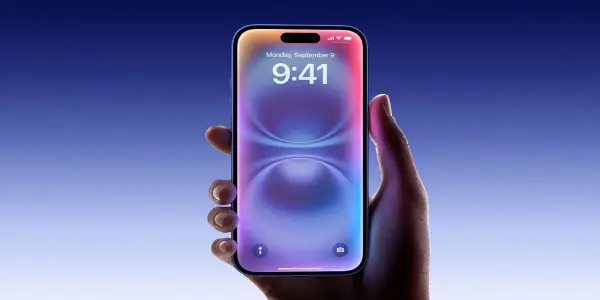
Apple's iOS 26.2 Beta Introduces Option for...

Revitalize Your Old PlayStation 2: A Guide to...

Comparing the Best in Headphones: Bose QC Ultra...

Borderlands 4 Launches Free DLC: Bounty Pack 1 -...

Nintendo Switch 2 Welcomes 'Orbitals' as an...
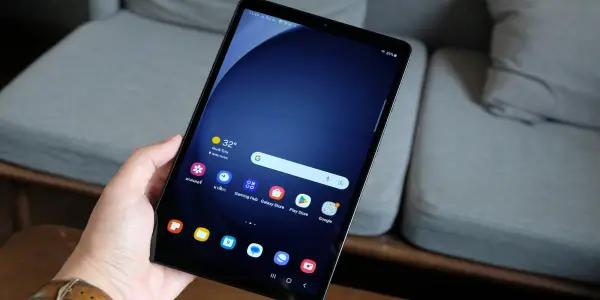
Top Affordable Android Tablet Options to Compete...

Tekken 8 Unveils Version 2.06 Patch Notes Ahead...

Chevrolet Corvette ZR1 Shatters Lap Record at...
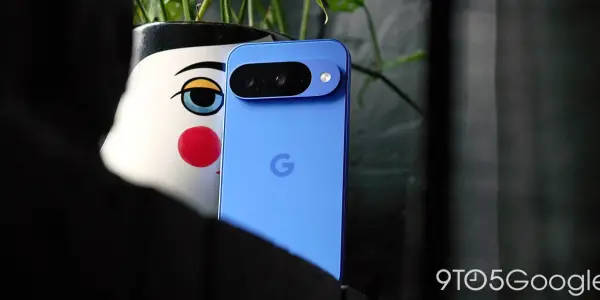

Samsung's Alterations to Android Notifications...

T-Mobile to Introduce Charges for Apple TV Perk...
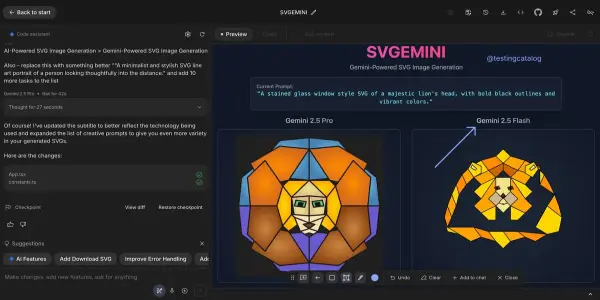
Google Enhances AI Studio with New Features to...

Essential USB-Compatible Gadgets to Enhance Your...

Croc Legend of the Gobbos: Platinum Edition...

Speculation Grows Around Possible Half-Life 3...

Tim Cook Hints at Commemorative Plans for Apple's...

Apple Unveils New Features in iOS 26.2 Beta 3

Scuf Valor Pro Wireless Controller: A...


Asus Unveils Redesigned ROG Zephyrus Duo at CES...

Deadline Approaches for Windows 10 Users: How to...

Where Winds Meet: A Grand Exploration of Ancient...

GM Technician Faces Significant Depreciation...
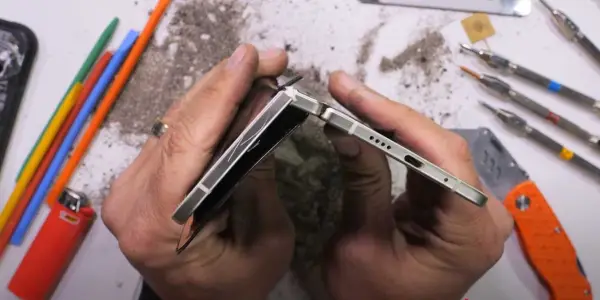
Pixel 10 Pro Fold Faces Durability Challenges in...

Exploring the Multiple Endings of The Outer...

Clair Obscur Expedition 33: A Reflection on...
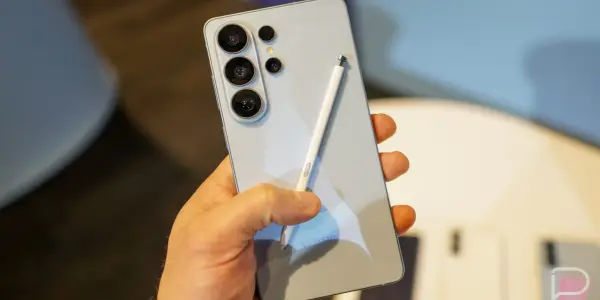
Samsung's Galaxy S26 Ultra Lacks Integrated Qi2...

Ranking the Top-Rated Games: A Comprehensive...