Deadline Approaches for Windows 10 Users: How to Secure a Free Year of Extended Support
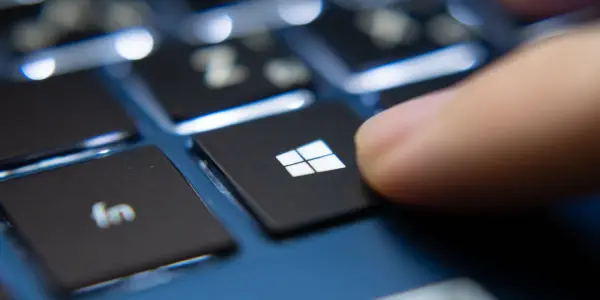
As Microsoft ends Windows 10 support in 2025, discover how to secure a free year of Extended Security Updates and protect your device from vulnerabilities.
In-depth analysis
How the technology works
Microsoft's Extended Security Updates (ESU) program allows users to continue receiving critical security updates for Windows 10 for an additional year, provided they meet specific hardware requirements for Windows 11. Users can verify their system's compatibility with a dedicated tool, and they have the option to back up data to Microsoft's cloud services for free or at a fee.
Why this innovation matters
This innovation is crucial as it offers a safety net for millions of users who may be vulnerable to security threats after Windows 10 support ends, enhancing their protection during the transition to newer operating systems.
Who is affected
Approximately 100 million users of Windows 10 could face security risks due to the end of support. This group includes both individual consumers and businesses that rely on this operating system for daily operations and data management.
What could come next
Following the end of Windows 10 support, Microsoft may further emphasize Windows 11 adoption, potentially introducing new features and incentives to encourage users to upgrade and enhance their security and performance.
Did you know?
How this will change your life
With Microsoft ending support for Windows 10, users will face real security risks, particularly those managing sensitive information at home or work. Without critical updates, devices could be more susceptible to cyberattacks, potentially leading to data breaches or financial loss. Users who rely on Windows 10 for daily tasks, from online banking to remote work, will need to act swiftly to ensure their data remains protected.
The tech secret
While many users may think they can continue using Windows 10 indefinitely, the reality is that approximately 100 million devices could be left vulnerable to exploits after October 2025. Surprisingly, Microsoft has a built-in tool that can assess whether a device can upgrade to Windows 11, which is crucial for maintaining security.
The human behind the innovation
Meet Rina Patel, a 32-year-old graphic designer and long-time Windows 10 user. Rina initially hesitated to upgrade due to concerns about her software compatibility and the learning curve associated with Windows 11. However, after losing work to a malware attack last year, she realized the importance of staying updated. Motivated by her experience, Rina has become an advocate for tech literacy among her peers, encouraging them to explore new software and prioritize cybersecurity. Her journey reflects a broader trend of users recognizing the need for digital resilience in an increasingly risky online world.
Expert Commentary

Timothée Chalamet Reflects on His Memorable...

Microsoft Addresses Security Flaw in Copilot AI...

CD Projekt Red Aims for Three Witcher Sequels in...

Fujifilm X-T30 III receives its very first...

Destiny 2's Renegades Expansion Trailer Leaks...
Microsoft Reimagines AI Integration in Windows...

Tekken 8 Unveils Version 2.06 Patch Notes Ahead...

T-Mobile to Introduce Charges for Apple TV Perk...

Ultramarathoner Kevin Humphrey Battles Stage IV...

Microsoft's Copilot Actions Raises Security...

Four Surprising Vehicles Equipped with Toyota's...

Excitement Builds for Metroid Prime 4 After...

Endnight Games Unveils Forest 3 at The Game...
Target and Walmart Confirm Continued Support for...
Urgent Microsoft Security Update Required for...

Microsoft Tightens Security on IE Mode Following...

Samsung's Alterations to Android Notifications...
Microsoft Addresses Security Risks with November...

Scuf Valor Pro Wireless Controller: A...

Sucker Punch Studios Weighs Next Project: A...

A Month with AirPods Pro 3: An Upgrade with...

Bungie Removes Controversial Unstable Cores from...

Steam Next Fest October 2025 Launches with an...
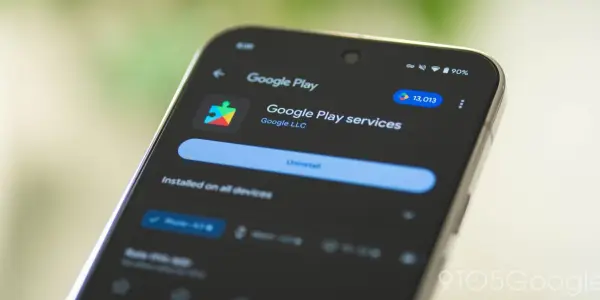
December 2025 Google System Updates: Key...

Comprehensive Guide to Unlocking Weapons in...

LG B5 65-Inch 4K OLED TV Available at Black...

Intermittent Calorie Restriction Linked to...
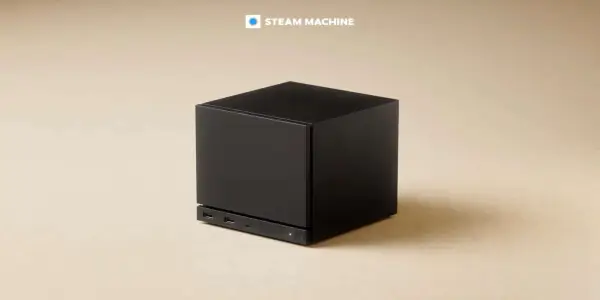
Valve's Steam Machine: A Potential Game Changer...
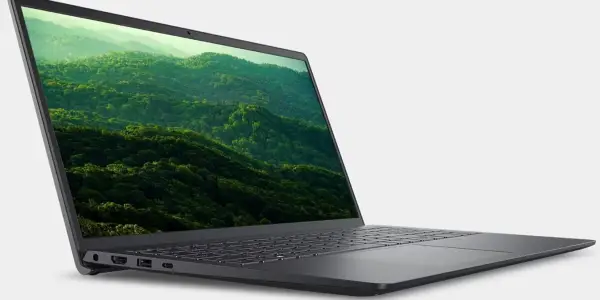
Dell Launches Major Black Friday Sale on 1TB...

Exclusive Screenshots of Rare's Everwild Surface,...

Insights from the Creators of Ghost of Yōtei:...

Exclusive Black Friday Offer: Oura Ring 4...

Vampire: The Masquerade - Bloodlines 2 Receives...
Google Warns Against Creating 'Bite-Sized'...
ASUS ROG Xbox Ally X Sells Out Amidst Controversy...
Pixel 10 Users Share Mixed Reviews After One...
Apple Unveils New Features in iOS 26.2 Beta 3

Top Headphones for Audiophiles: Insights from...

Apple Hints at Upcoming MacBook Pro Launch Amid...
Roku Introduces Major Platform Upgrades with AI...