MIT Researcher Pioneers Neuromorphic Computing to Enhance AI Efficiency

An MIT doctoral candidate is advancing neuromorphic computing, a technology that mimics human brain functions, to improve the energy efficiency of artificial intelligence.
In-depth analysis
How the technology works
Schwacke's research centers on neuromorphic computing, utilizing tungsten oxide modified with magnesium ions to create ionic devices that mimic the brain's synaptic functions. This allows for simultaneous processing and storage of information, significantly enhancing energy efficiency compared to traditional computing systems that separate these functions, thereby reducing overall power consumption.
Why this innovation matters
This innovation is crucial as it addresses the escalating energy demands of AI technologies, offering a pathway to develop systems that are not only more efficient but also environmentally sustainable, which is vital in the context of growing climate concerns.
Who is affected
The implications of Schwacke's work extend to various stakeholders, including tech companies that rely on AI, environmental advocates concerned about carbon emissions, and consumers increasingly aware of the ecological impact of their technological choices, all of whom stand to benefit from more sustainable AI solutions.
What could come next
Future advancements may include broader applications of neuromorphic computing across different sectors, potentially leading to the development of AI systems that are not only energy-efficient but also capable of more sophisticated cognitive functions, further bridging the gap between artificial and human intelligence.
Did you know?
How this will change your life
Schwacke's advancements in neuromorphic computing could lead to AI systems that are not only more powerful but also significantly less energy-intensive. Imagine smart devices that understand context and behave like humans while consuming a fraction of the electricity. This could translate to lower energy bills, a reduced carbon footprint, and a more sustainable digital landscape, impacting everything from home automation to healthcare.
The tech secret
Neuromorphic computing mimics the human brain's architecture, allowing devices to process and store information simultaneously. This unique ability drastically cuts down on energy consumption compared to traditional systems, which function separately for storage and processing, resulting in substantial power waste.
The human behind the innovation
Schwacke's passion for science was sparked in her childhood by her mother, a marine biologist studying the impact of pollution on dolphins. This early exposure to environmental issues shaped her vision of leveraging science for real-world solutions. At MIT, she is pushing boundaries in neuromorphic computing, using tungsten oxide in her research to create energy-efficient AI. Her commitment to combining technological advancement with ecological responsibility reflects a deep-rooted desire to protect the planet while innovating for the future.

The Role of Steam Tubes in LS Engines Explained

Best Buy Unveils Early Black Friday Sales Ahead...

Nintendo Announces Price Reductions for Upcoming...

Highlights from the ID@Xbox Showcase: October...

Speculation Grows Around Possible Half-Life 3...

Urgent Microsoft Security Update Required for...

The Future of Xbox Exclusives: Navigating...

Exploring the Multiple Endings of The Outer...

Reviving Nostalgia: Modern Bluetooth CD Players...

Transform Your Workspace with the D-Line Cable...
Top Android Phones to Avoid in 2025 and...

Vampire: The Masquerade - Bloodlines 2 Receives...
Microsoft's Copilot Actions Raises Security...

Comparing the Best in Headphones: Bose QC Ultra...

Nintendo Switch 2 and Original Switch Receive...
Apple Expands Satellite Connectivity Features for...

Even Realities Introduces G2 Smart Glasses with...

Microsoft Addresses Security Risks with November...

Bungie Reveals Final Ability Changes Ahead of...
Alienware Kicks Off Early Black Friday Sale with...

Sony Moves to Halt Fan-Led Revival of Concord...

LG B5 65-Inch 4K OLED TV Available at Black...
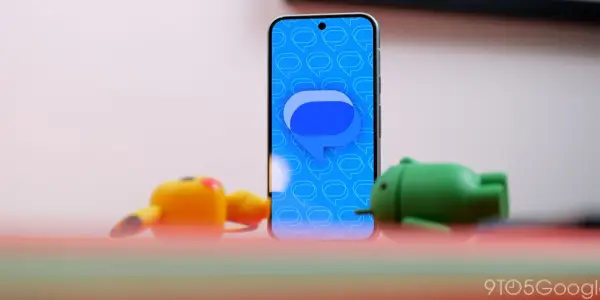
Google Messages Initiates Testing of @mentions...

Google Warns Against Creating 'Bite-Sized'...

T-Mobile to Introduce Charges for Apple TV Perk...

Top PS5 Accessory Discounts for Black Friday...

Microsoft's Satya Nadella Envisions an Innovative...

DJI Launches Osmo Action 6, Raising the Bar for...

Unique Tribeca Compound Hits Market for $30...
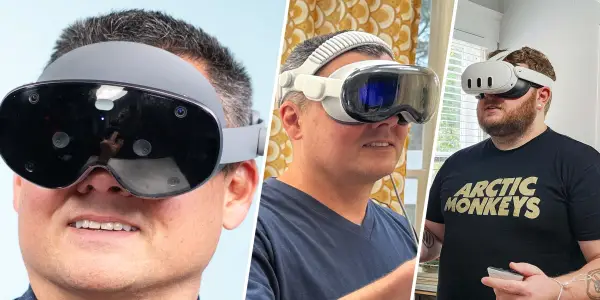
Comparing the Samsung Galaxy XR, Apple Vision...

Google Drive Enhances PDF Experience with...

Borderlands 4 Launches Free DLC: Bounty Pack 1 -...
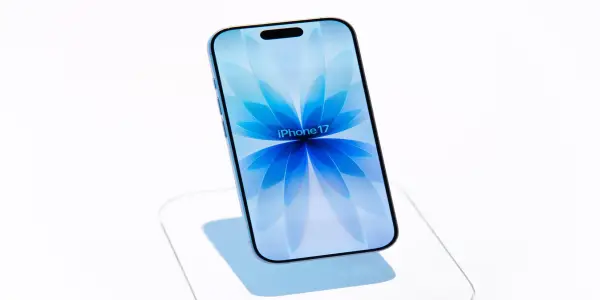
Apple Confirms December Release for Major iOS...

Google Issues Urgent Patch for High-Severity...

Persona 3 Reload Set for Launch on Switch 2,...
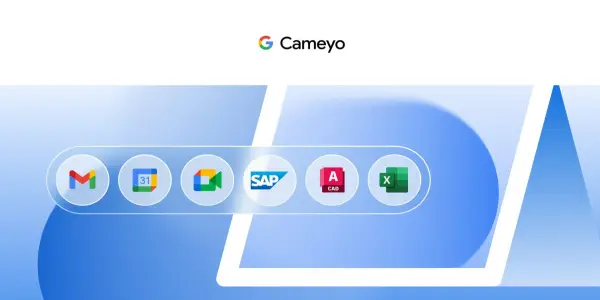
Google Enhances Cameyo to Streamline Windows App...
MediaTek Unveils Next-Gen Chipset for...

Celebrating Nintendo: The Top 100 Games of All...

Exclusive Black Friday Offer: Oura Ring 4...
Discover 10 Lesser-Known Free Android Apps Worth...